


Insight
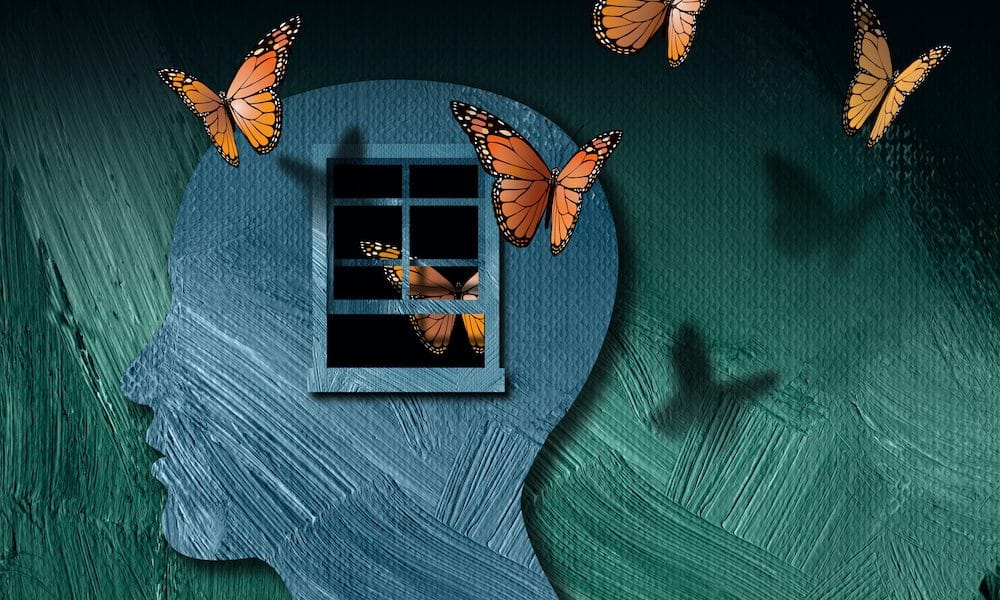
Suicidal risk and understanding how best to respond was the subject of a recent webinar for professionals working with brain and spinal injured clients. Assessments including how to assess the different levels of risk, including looking out for red flags, primary drivers and secondary drivers, were all addressed to empower people to deal with what [...]

The collapse of Denmark’s Christian Eriksen due to a cardiac arrest during his team’s opening game at Euro 2020 shocked football fans worldwide and raised many questions about player safety. Here, sports disputes lawyer Barrington Atkins examines football authorities’ approach to the safety of players and asks whether UEFA has done enough to protect those competing at Euro 2020
Concussion safety was meant to be at the forefront of the Euro 2020 finals. All 24 teams committed to following the recommendations of the Union of European Football Associations (UEFA) Concussion Charter, which was a commitment to player welfare and player safety.
As we prepare to emerge from lockdown in less than two weeks, attention is turning to what the 'new normal' will be like. Margreet Wittink at Renovo Care shares some reflections from the pandemic and thoughts on what may lie ahead
The 19th of July 2021. More than just any date. We all have certain dates that are important to us, like birthdays and anniversary dates. However, this year we have been governed by dates set by the government trying to get back to a normal life post-COVID. We seemed to be going in the right direction but then the Delta variant presented itself. The infection rates started to go up again and continue to rise but with far less hospital admissions. Opinion seems to be divided on whether we need to remain cautious and wait or return to normal life whatever it may bring. The British Medical Association is calling for caution and is asking for ongoing use of face masks and new ventilation standards. The 19th of July 2021 will mark the fourth and final stage of lifting lockdown in England. It makes me reflect on the period since March 23 2020 when the first lockdown started.
Achievement in rehabilitation should be shared and celebrated with supporters to help sustain and encourage progress, says Lisa Beaumont, whose own ten-year recovery from stroke continues with the support of family, friends and therapists
Rehabilitation works best when it is not undertaken in isolation. Over the past month, I have been thrilled by the progress that I have made towards my goal to walk without a stick, my posture has improved significantly during lockdown and I have enjoyed walking in the garden in June’s sunshine. My progress has reminded me of the saying, “it takes a village to raise a child". I would like to adapt that expression to become: "it takes a village to deliver successful rehabilitation, many people have important roles to play".
With the creation of LusioMATE, rehabilitation is being revolutionised through the use of gaming. NR Times meets Justin Keenan, CEO of Lusio Rehab, to learn more about the world-first device
From a series of chance encounters came the creation of a business which is helping to revolutionise therapy and rehabilitation on a global scale through the use of gaming. With the creation of LusioMATE, the world’s first wearable therapy controller and game ecosystem, Lusio Rehab is helping to redraw the boundaries and rehab potential for people living with neurological conditions and other disabilities around the world. Since its launch in 2019, the device has expanded far beyond its origins in Australia to be in use in the UK, across Europe, the United States and South America.
Natural daylight could be a “highly effective” treatment in supporting recovery from Long COVID, having shown benefit in people living with other debilitating conditions.
With cases of the post-COVID syndrome rising continually, uncertainty persists around the best way to treat and support people with the condition due to the developing knowledge and lack of data on the topic. But sunlight could play a significant role in supporting people in their recovery, says psychologist and sleep specialist Dr David Lee. “One of the core symptoms of Long COVID is fatigue, and natural daylight could be a potential intervention,” says Dr Lee, clinical director of Sleep Unlimited, who has been teaching, researching and disseminating findings from his own research into sleep and the psychobehavioural treatment of insomnia for over 15 years.
Last month, assistant neuropsychologist Alarna shared her story of living with Long COVID, and her role as a rehab professional attempting to rehab herself. Here, she updates on her journey to recovery
The road to recovery as I have now dubbed it has been painstakingly long, however in my sleepiness I found my life now moves to a new rhythm, there was a point that I let go of the frustration of not being energised and began to embrace the slower pace. I continue to work shorter days at work but at last I have found that when I am awake, I am fully awake, alert, and productive. My speech, inside my head, has sped up to what I would call a reasonable speed (lol) and cognitively I am no longer feeling as though my processing speed is reduced.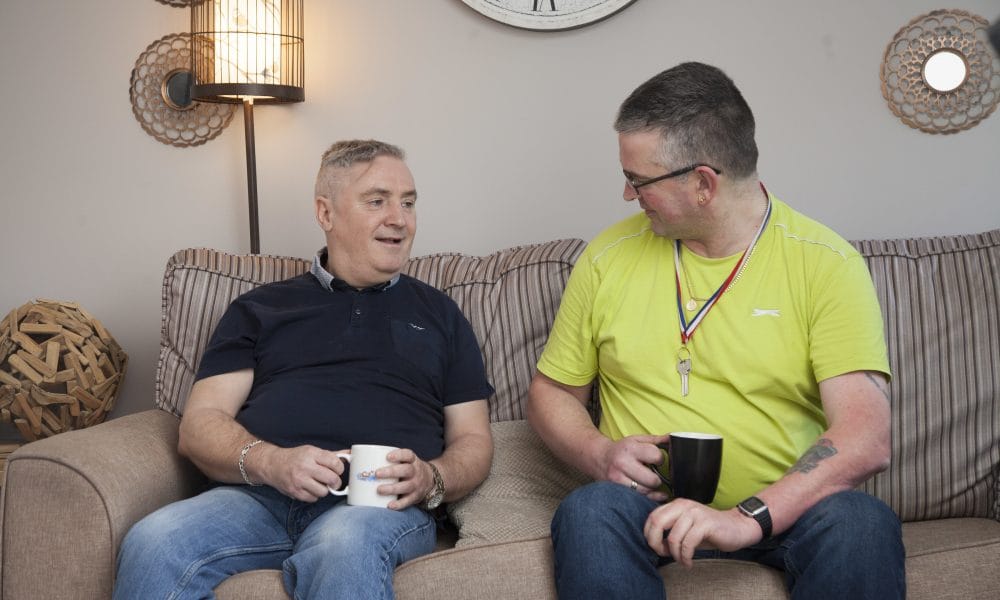
People who have had a brain injury can experience some changes in their emotional reactions, such as personality changes, mood swings, depression, anxiety, anger and post-traumatic stress disorder. Here, Julie Booth, head of quality at Exemplar Health Care, talks about the emotional effects of a brain injury and how the care provider supports people through the recovery process
When someone experiences a brain injury, it’s often completely life changing - a person’s role in their workplace, social group and family is affected, which can leave them feeling unsure of who they are and what their place in life is. It can also have extensive cognitive impacts, leaving an individual confused, frustrated and unable to comprehend what’s happening around them or why. This can result in changes to mood, behaviour and emotional responses - some people might become angry and aggressive, some people can become anxious and stressed, and others may become depressed and withdrawn. It’s important to remember that there’s no right way to feel or respond following a brain injury, and that all responses are valid.
As a specialist provider of mental health support, caring for some of the most clinically complex patients in the UK’s mental health system, the team of experts at St Andrew’s provide bespoke clinical and therapeutic approaches that enable vulnerable patients to recover. Here, NR Times meets senior social worker, Emma Wakeman
Can you tell us about your experience in mental health I’ve been at St Andrew’s for three and a half years and I’ve always worked in neuropsychiatry. I actually did a student placement here when I was training to be a social worker and just absolutely loved it. I loved the patients and the work so I applied for a job and got it.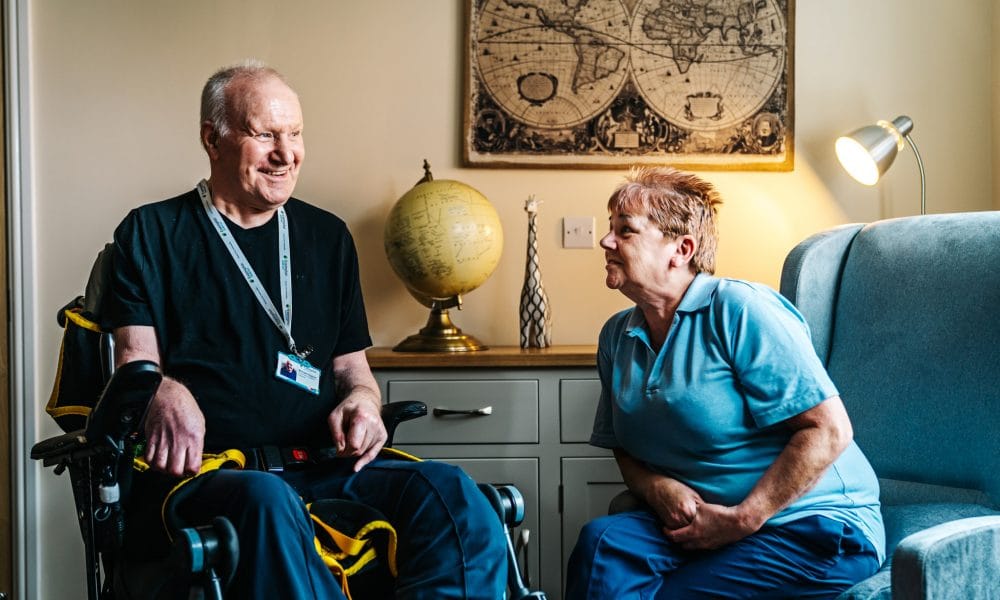
The COVID-19 pandemic has presented unique challenges for people living with dementia, as well as for those who support them. Tracey Carter, senior quality manager (dementia care) at Exemplar Health Care, shares how colleagues across the company have found innovative ways to support people living with dementia to stay safe and well, and uphold the principles of person-centred care
It’s vital that health and social care workers, other professionals and family carers continue to take a person-centred approach to care during the pandemic, to support people with dementia to maintain, and enhance, their health and wellbeing. Putting people first There are currently around 850,000 people living with dementia in the UK, each with their own unique personalities and life stories. Everyone will experience the pandemic and its effects differently, which is why it’s important to maintain a person-centred approach.


