


Insight

Having the right mindset can be central to rehabilitation, says stroke survivor Lisa Beaumont, and can equip an individual with the determination to overcome setbacks, find new means of expression, and crucially, to never give up
Last month, I highlighted the importance of goal-setting. This month my focus is on the mindset that I believe is fundamental for a successful rehabilitation. Even though goals and plans to reach them are important, it is crucial to have the right mental attitude to make a successful recovery throughout neurological rehabilitation.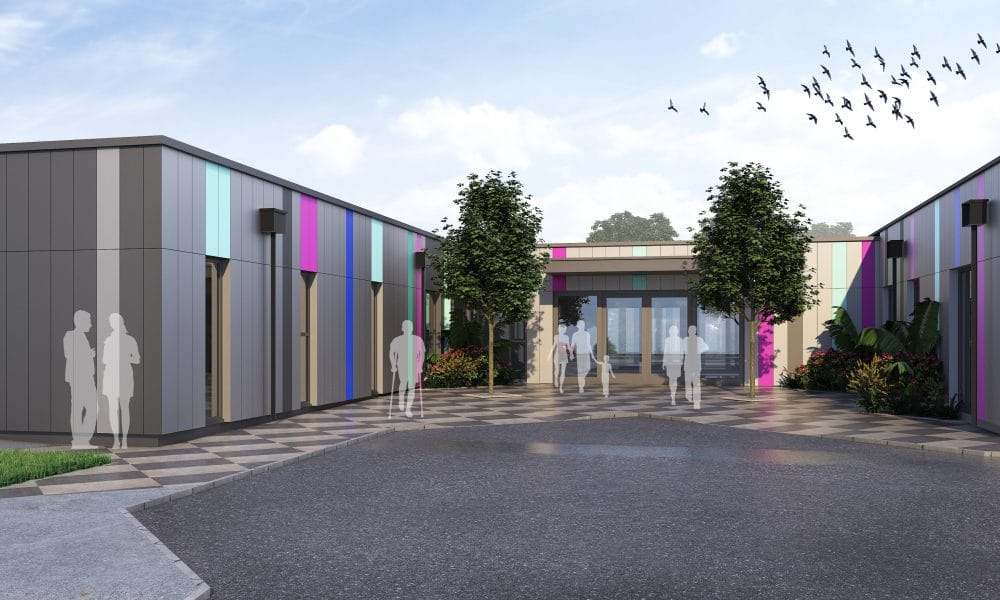
As the new Castle Hill Hospital rehab ward gets set to open, NR Times speaks to Dr Abayomi Salawu, whose dedication to achieving goals through rehab, and passion for using VR and AR within it, is putting Hull at the forefront of the UK
A new NHS rehabilitation centre, which will be the first in the UK to incorporate digital technology and virtual reality into its rehab offering, is set to open its doors. The purpose-built ward at Castle Hill Hospital in Hull will have 12 beds and has a range of facilities, including a gym, therapy room and garden area, to enable a comprehensive rehab offering to be delivered.
Reflecting on the recent ‘Recovery and Rehabilitation in The Community: Alcohol Related Brain Injury in Ireland’ event, senior clinical psychologist Dr Nichola Robson shares her analysis for NR Times It was a pleasure to listen to some of the leading professionals talk about alcohol related brain injury (ARBI), a condition arguably encountered in most [...]

After Vasili Kalisperas was born a healthy baby, his jaundice was left undetected by midwives and led to him being left with cerebral palsy and needing round-the-clock care. Here, his mum Elena discusses the huge mental health challenges of being a parent in such a position and how she learned to admit it’s OK not to be OK
I’ve always been a very optimistic and positive person, which I do think helps during such traumatic times, but that’s definitely not to say it hasn’t been a struggle. As equipped as you might be in terms of your outlook on life to deal with challenges, when something so traumatic happens to you, it is of course going to be a struggle to come to terms with that.
Having contracted COVID-19, which has now become Long COVID, assistant neuropsychologist Alarna continues to battle a number of effects, including fatigue. Here, she shares her reflections on her experience, which has enabled her to gain a greater understanding of her patients' wish to return to their 'normal selves'
 My name is Alarna, and I am an assistant neuropsychologist at a specialist private neuro rehab hospital. I have worked in both supported living and rehabilitation settings for the past 14 years, with various mental health conditions, psychologically rooted illnesses, degenerative diseases, and rare neurological presentations.
Today in discussion with our company director responding to the question of “How are you?” I found that I had reached a new level of understanding for every patient that I had worked with. I found on some level I could identify with their journey as I am attempting to rehab myself. I answered, “I just want to get back to my normal self”.
My name is Alarna, and I am an assistant neuropsychologist at a specialist private neuro rehab hospital. I have worked in both supported living and rehabilitation settings for the past 14 years, with various mental health conditions, psychologically rooted illnesses, degenerative diseases, and rare neurological presentations.
Today in discussion with our company director responding to the question of “How are you?” I found that I had reached a new level of understanding for every patient that I had worked with. I found on some level I could identify with their journey as I am attempting to rehab myself. I answered, “I just want to get back to my normal self”.
Writing for HT World, Brian O’Shea, continuing healthcare advisor at the Spinal Injuries Association, urges commissioners to embrace change for the good of the patient.
Merryn Dowson, of rehab goal-setting platform Goal Manager, on why the virtual conference should endure long after COVID-19’s limitations are gone.
Just in case you hadn’t noticed, the last year has been a little bit different from previous years and by ‘different’ I, of course, mean ‘online’.
Conferences have been no exception. Instead of arriving at a large hall, picking up the first of the day’s seven coffees and scanning the room for the best pens on offer, we are finishing off our morning routines and setting our out-of-office email only to sit in the same chair and log in to an online virtual conference.
In March we may have hoped that these conferences would actually happen in person and that the world would quickly get back on its axis but we soon realised that this would not be the case.
We were to access it all from our computers, perched wherever we can manage in our homes.
In August, I had my first taste of this unprecedented, socially- distanced, new-normal approach to conferences by logging on to that of the American Psychological Association (APA).
Reflective practice within healthcare settings is widely talked about, but not always so easy to implement in the workplace. NR Times speaks to one neurological centre about how it benefits patients and staff there.
Reflective practice and discussion in healthcare settings is a professional requirement for nurses, as laid out by the Royal College of Nursing revalidation requirements as part of their continuous professional development.
It allows professionals to take time to pause and reflect, communicate and plan, which undoubtedly leads to better outcomes for patients and staff.
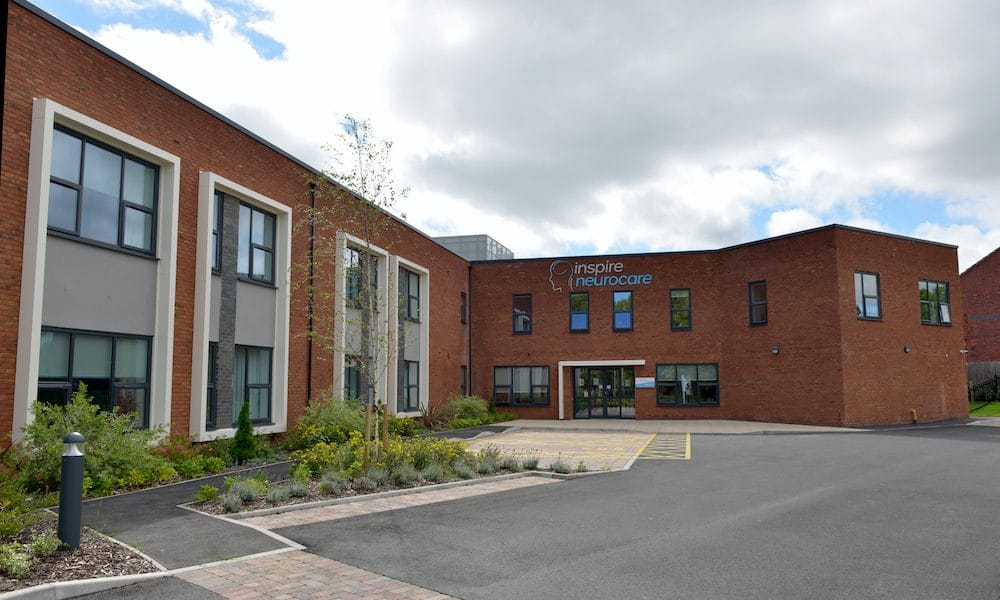
A neuro-rehab provider which opened its first facility in Worcester shortly before the first lockdown has succeeded against the odds – and now has plans to expand in 2021, as NR Times reports.
Inspire Neurocare provides support for people with a variety of neurological conditions, offering rehabilitation, respite and palliative care.
The firm opened its first specialist care centre in Worcester in February 2020, and this will be followed by further facilities in Basingstoke and Southampton in 2021/22. Inspire prides itself on a novel model of care that has “no limitations on the possibility of recovery,” all led by director of clinical excellence Michelle Kudhail.
A key element of the centre’s approach is the team’s commitment to understanding that every patient, and the circumstances that led them there, is different.
NR Times reports on a new rehabilitation approach taking place in Cambridgeshire.
Despite a year of relentless change and upheaval for all involved in neuro-rehab, one provider in Cambridgeshire has been able to keep its ongoing development on track.
Askham Rehab, part of the Askham Village Community, is a recently-launched specialist rehabilitation service incorporating the latest in rehab robotics and sensor assisted technology.


