




Insight

Natalie Mackenzie and Eky Popat of brain injury rehabilitation service BIS Services on managing the cultural challenges in community rehabilitation.
Back in 2011 one of our team asked why there was a significant lack of consideration towards cultural differences within brain injury rehabilitation. It was not the first time we’d heard this question, but it further sowed the seed for a topic that is persistent and pertinent within our working practices at BIS Services, and a matter for discussion and change that must continue throughout the field. Most certainly, recent years have seen an increase in consideration and discussion regarding cultural competency and its importance in rehabilitation, which is reassuring, although the se are still challenges that we must continually consider.
By Rae Hughes, clinical psychologist and Pete Fleming, clinical tutor and consultant clinical neuropsychologist.
Adjusting to life after a brain injury involves coming to terms with, and adapting to, changes, which often span multiple areas of a person’s life, such as hobbies, employment, and interpersonal relationships. Understandably for many individuals, their life following a brain injury can look completely different to before.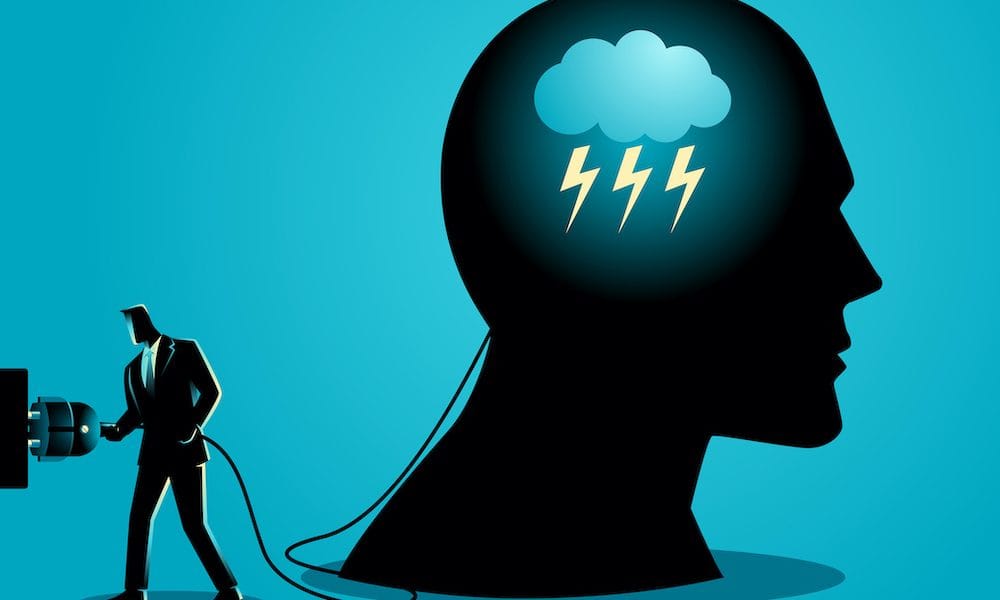
In 1974, leading neuroscientist Graham Teasdale co-created the Glasgow Coma Scale (GCS) while at the Institute of Neurological Sciences in Glasgow. This scale has since been used to assess coma and impaired consciousness in patients who have had a brain injury.
The scale is used to describe variations in a patient's eye, motor, and verbal responses. Each feature is assigned numerical scores depending on the quality of the response, and total scores range from three, which is a deep coma, to 15, which is full consciousness.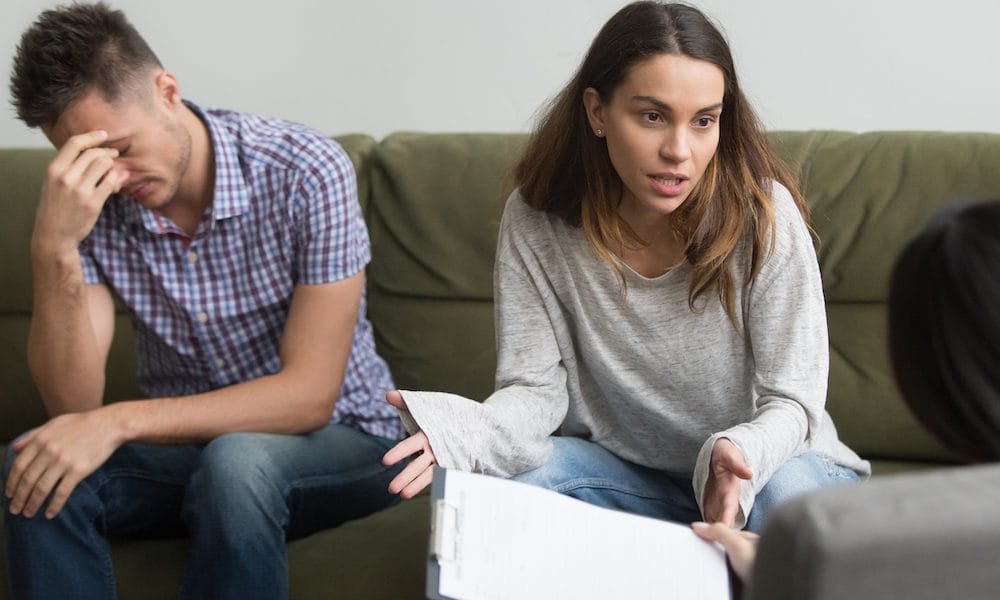
Trained couple’s therapist and neuropsychologist Giles Yeates helps support couples and families and their connection and intimacy after a brain injury. He talks to NR Times about how couples can resume their sex lives after brain injury.
“It's about reconnecting that sense of closeness and connection, I'm trying to rehabilitate love,” he says. “After a brain injury, the focus is on the injury and regaining independence, rather than interdependence, but many families ask for this. “When people talk about personality changes, saying the person is different and the connection feels damaged or wrong, couples therapy is way to help them find their way back to each other.”
Clinical psychologist Célia Demarchi has been involved in helping shed light on brain injuries in children. Here, she talks about her recent research into how brain injuries affect this growing demographic, and why it’s important that research continues.
Outcomes following traumatic brain injury (TBI) are difficult to predict and NICE guidelines have emphasised the need for UK-based research into predictors of long-term conditions after brain injury. Advances in medicine mean that more and more young people are surviving catastrophic injuries each year, but this does also mean that we now have a growing number of people with needs that aren’t always being met.
When comic artist Wallis Eates saw an ad from Headway East London looking for an artist in residence for the charity’s art studio, she knew she had to apply…
Headway’s East London studio provides a place for members, who all have acquired brain injuries, to create artwork. Eates’ own line of work leading up to this included autobiographical comics, and digital storytelling with prisoners. “I’d been looking for ways to help others share their stories or collaborate on story-sharing,” she tells NR Times.
NR Times speaks with SNP MP, Lisa Cameron, about her background as a clinical psychologist and how long-term issues related to brain injuries are often overlooked.
Lisa Cameron's attention is on countless important issues in her role as SNP MP for East Kilbride, Strathaven and Lesmahagow in Scotland, but she tells NR Times why she is particularly interested in policies relating to brain injuries. Before becoming an MP, she previously worked as a consultant clinical psychologist and is chair of the All-Party Parliamentary Group on Disability. “When I was working as a psychologist, I was undertaking assessments of people with brain injury in relation to memory, executive function and language,” she tells NR Times.
Lorraine Currie has watched her daughter recover from a serious brain injury and go on to exceed her expectations. She tells NR Times what it’s been like to see her daughter’s slow recovery.
When she was just 17 years old, Grace was hit by a car as she crossed a small village road after finishing college. She suffered a severe head injury and was resuscitated twice at scene. After being taken to Shrewsbury hospital, her only hope was to be transferred to Stoke hospital, which is a regional trauma centre, who accepted Grace even though it didn’t have a bed.
When lockdown began, many people with a traumatic brain injury (TBI) were faced with their treatment and support being paused, or having their face-to-face services moved online.
Giles Yeates, consultant clinical neuropsychologist and tai chi instructor, spoke to NR Times about how he’s wasted no time in moving his classes online. Yeates hosts online tai chi classes, which are streamed live on the charity Different Strokes’ Facebook page and YouTube channel. The classes are moderated by Alison Smith, who had a stroke last year. Tai chi involves physical routines to strengthen the body and improve flexibility, achieve regulated breathing and focus on the body to improve inner energy, which in turn, is believed to improve circulation. It’s based on attaining a flow state of mind, which is said to be achieved when people become fully immersed in what they’re doing.
After having a stroke two years ago at the age of 39, former international swimmer Craig Pankhurst founded the charity Stroke of Luck to support stroke survivors through activity and exercise. Jessica Brown reports.
“Stroke survivors are in one of two places – they either see themselves as a victim, with a not very positive outlook,” Pankhurst says. “Or they see their stroke as a bump in the road, but that no one will stop them from having a fulfilled life, just one that’s different to the one they were leading before. “We put in a halfway line to move people from the victim to survivor mentality.”


