


Insight

Having been an early adopter of telerehab, PhysioFunction was perhaps less daunted than most at the prospect of responding to the COVID-19 lockdown and ensuring their clients’ needs were met.
The specialist neuro physiotherapy practice has, for the past year, used video calls to enable its clients to receive one-to-one sessions in addition to those provided in person, with its staff supporting them to install and use the technology remotely.
It is also an early adopter of the MindMotion GO, a first-of-its-kind mobile neurorehabilitation therapy system which uses gaming to support the recovery of brain injury and neuro patients.
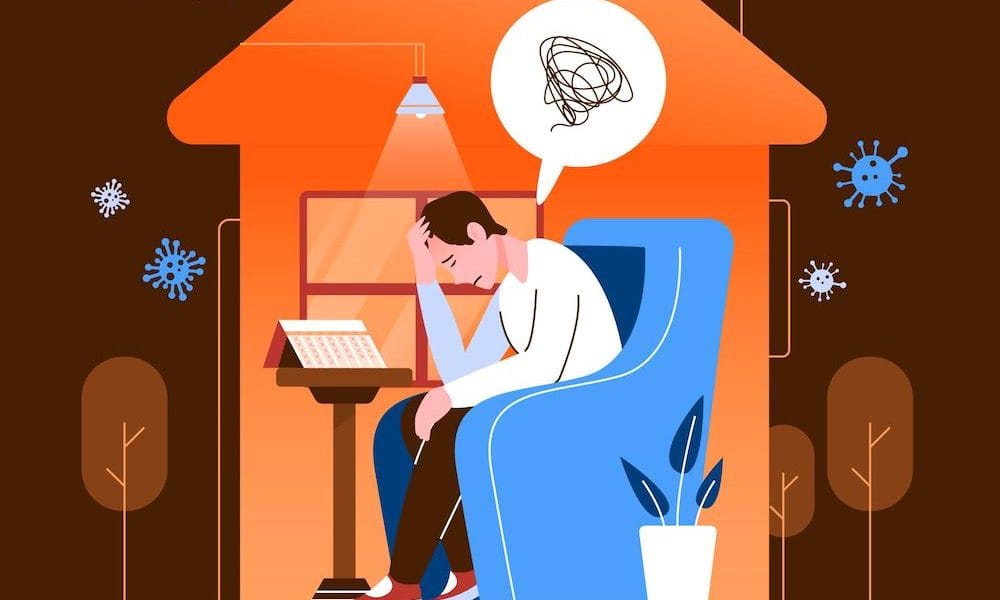
COVID-19 has presented many challenges for brain injury patients, with the cancellation of groups and appointments meaning a pause in their rehabilitation. Here, Paul shares his story of how his experience of the past few months has left him dreading the impending ‘second wave’.
I sustained a brain injury just over 18 months ago now. It was in circumstances many people describe as a ‘freak injury’ but I really hate that description, as I’m constantly well aware I probably now seem like a freak, thanks to my condition. I was decorating at home, something I never do, but we were trying to save some money so I thought I’d give it a go. I was standing on some ladders which were a bit wobbly, but they seemed fine for a DIY novice such as myself.
Australia’s New South Wales government has promised to improve brain injury testing for domestic abuse victims after a psychiatrist drew attention to inconsistent care for vulnerable women. Psychiatrist Karen Williams urged the government to adopt a concussion protocol for family and domestic violence victims after doing her own research and being shocked at what she found.
It started when Williams noticed the disparity in how her patients were diagnosed and treated.Williams specialises in the treatment of post-traumatic stress disorders (PTSD), often with military, police, emergency personnel and other first responders. But she also treats the general population, the vast majority of whom are women with histories of child and domestic abuse.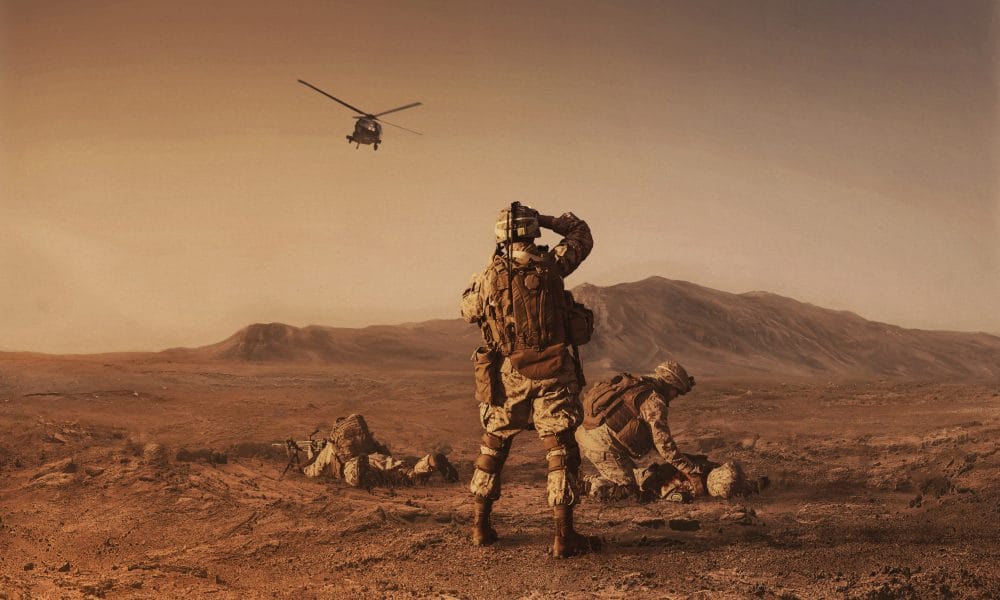
Concussion is a huge concern across the US military and in sports. In 2018, 19,000 military personnel were diagnosed with a traumatic brain injury, while college athletes had an average of 10,500 concussions for past five years.
Despite the numbers, many say there’s a lack of research to inform ways that government and industry can best tackle this problem. In response, the largest prospective concussion study was formed to fill the gaps in understanding, to see what recovery from a concussion looks like in athletes and cadets. More than 44,000 people have since enrolled in the CARE (concussion assessment, research and education) consortium since its inception in 2014, across 30 universities and four military service academies across the US.
Having experienced a brain haemorrhage five years ago, 52-year-old Jane Hallard from Gloucester has had to rebuild her life. Here, she details her struggle and how she has learned to look to the future with positivity.
In the five years since my brain injury, I’ve had to come to know a whole new me. While I look the same as I did, I’m far from being the same person. On that day, back in 2015, when I was helping my son to clean his car, little could I have imagined what lay ahead.
The thorny issue of bereavement damages in fatal accident cases has recently raised its head again on one of my cases, writes associate solicitor Lauren Haas. Since so few of the families I encounter are aware of bereavement damages it may be useful to summarise the current law in this area and set out what the potential issues are.
What are bereavement damages? Bereavement damages are a fixed sum of money which can be claimed on the unlawful death of a loved one. They are separate from any financial dependency claim, which can of course also be brought.
NR Times caught up with the co-founder of access: technology north to find out its secret to getting people engaged with the tools they need to support them.
Around four years ago, when Mike Thrussell’s caseload of people with learning difficulties and disabilities needing support with assistive technologies began to grow, he went to his wife Kelly with a suggestion. At first Kelly, who has a background in teaching, was unsure. "I’ve worked with people with learning difficulties for years, and I’ve seen that other people’s experience with assistive technology hasn’t always been positive, so I wanted to approach this differently,” she says.
A day in the life of Peggy, the resident feline at Stanley House, Elysium Neurological’s care centre in Herefordshire.
Who said ‘cats have it easy’? It’s really not that simple, after all not all the staff and residents here speak or understand ‘Felis catus’. For those who aren’t acquainted with Latin, the language of all well-educated feline divas, it simply means domestic cat. So you can see how exhausting it can be trying to get my own way, lots of long luxurious rests are the name of this game!
By Merryn Dowson, assistant psychologist and part of the team behind rehab goal-setting platform Goal Manager
A stitch in time saves nine. Rome wasn’t built in a day. The best things take time. We are all too aware that some of the most important parts of our lives have been crafted, carved and developed over months and years. Consider your education, for example: you may well have been to primary school, secondary school and then sixth form college. Perhaps you went on to do an undergraduate degree.
Game changing neuro-rehab opportunities are emerging as a result of the coronavirus crisis, argues health and social care investment expert Boda Gallon.
The Impact of the Covid-19 pandemic has been multi layered. Yes, we’re faced with a fragmented health and social care system, continued uncertainty, and a gloomy economic outlook. There are, however, positive opportunities for investment and service redesign within NR and the wider specialist healthcare marketplace.


