



Insight
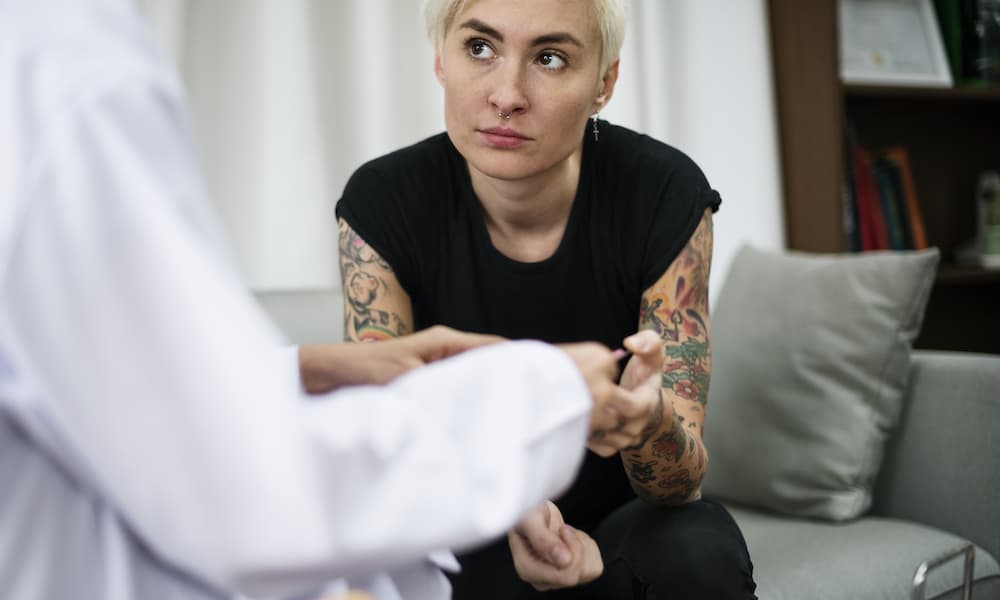
Acquired brain injury (ABI) is one of the leading causes of disability within the UK and can have a significant impact on the daily lives of survivors and their families (Khan et al., 2003). Difficulties include physical, emotional, cognitive and behavioural changes, and with many experiencing little or no physical impairment, ABI is often referred to as a “silent epidemic”. Case management is dedicated to supporting and coordinating the rehabilitation and care of individuals with complex needs including ABI.

Okayama prefecture, in western Japan, is famed as the powerhouse of Japanese denim. A centuries-long history of textile making and dyeing – and a few serendipitous events, including the decision of one manufacturer to shift from school uniforms to American-style attire - ensured jeans became big in Japan from the 50s onwards. Okayama prefecture, in western Japan, is famed as the powerhouse of Japanese denim. A centuries-long history of textile making and dyeing – and a few serendipitous events, including the decision of one manufacturer to shift from school uniforms to American-style attire - ensured jeans became big in Japan from the 50s onwards.

Deep-rooted in the rehabilitation field is the scourge of the “black box”. It prevents research progress, hinders patient outcomes and makes it harder to justify spending on rehab services. Its origins as a popular phrase among healthcare professionals can be traced back to the early 90s. Its relevance has endured to present day, however; much to the dissatisfaction of a band of clinicians and researchers in the US.

Neuro-rehab professionals spend much of their time striving to meet the needs of patients and clients. But research suggests they – and their peers in other quarters of healthcare – are not so great at looking after their own health and wellbeing. A survey of doctors in the US found that the average junior doctor works seven shifts a month without drinking enough water and four shifts a month without eating a meal. Other studies have suggested that healthcare workers are at an increased risk of obesity - 35 per cent of those working in medical offices, clinics and hospitals in the States are obese.

When looking for a powerchair what are the primary things people should consider? There are lots of things to consider when looking for a powered wheelchair, here is a list of points to consider: Lifestyle (what is the user wanting the powerchair to do on an everyday basis), what range/distance will they need to travel in a day, size and dimensions of the chair, what is the weight of the chair and what is the maximum user weight and combined weight (for lifts, house and car).

Depending on the level of injury and mobility, some people can regain their independence relatively quickly, while for others, it can be a case of learning how to do things from scratch and no where is this more challenging than in the kitchen. Ropox, one of the UK’s leading suppliers of accessible bathrooms and kitchens is helping to address this with its range of adjustable kitchen work tops and cupboards which have been designed to make the kitchen as accessible as possible to people with reduced mobility. Many care settings and rehabilitation centres are now using this type of equipment in training kitchens to help their patients regain some independence and increase their confidence.

It was encouraging to see the blue badge scheme for disabled parkers being extended last week. For the first time, people with hidden disabilities such as dementia and anxiety disorders, can qualify for the parking permit scheme, the government has confirmed. This positive news was tempered by a separate report which suggests councils are not prepared for the increase in blue badge holders.

“How many kids in a wheelchair get to see the world from the top of a mountain, and then slide down it?” says Chris Loyn, who first saw his son Jack’s face light up as he hurtled down a ski slope four years ago. “To be out of his wheelchair and suddenly flying freely down a mountain, the fresh air blasting in his face, it was just awesome.” Jack, now 30, suffered a brain hemorrhage at just two weeks old and was left wheelchair bound as a result of spastic quadriplegic cerebral palsy. In 2015 Chris heard of an organised ski trip taking people with severe brain injuries and complex disabilities to France for an adventure he hadn’t thought possible.

Acquired brain injury (ABI) is the most common cause of injury in childhood and affects 18 in every 100,000 children in England (NHS England, 2013). This includes both traumatic brain injury (e.g. road traffic accident) and non-traumatic brain injury (e.g. tumour, stroke, infection). As the brain continues to develop until the late 20s, the impact of an ABI is considered to be a developing condition, rather than confined to the single physical injury.

“I had one dreadful experience when I came back into Heathrow Terminal 4 and my wheelchair was not brought up to the door,” recalls Anne Luttman-Johnson. “I refused to get off the plane until I knew that my wheelchair had arrived, and was in one piece. “They brought me a wheelchair that I couldn't push myself in. It had little wheels and I had to be pushed through the airport. It was the most undignified, humiliating experience. I hated it.” Anne has used a wheelchair for more than 30 years, having broken her back at age 21.


