


MND / ALS

A US researcher has made a promising breakthrough in the quest to help people with amyotrophic lateral sclerosis (ALS). In a recent study, University of Missouri’s Smita Saxena showed that a natural molecule called GM1 can reach the brain when it’s wrapped inside a tiny fat-based bubble. In early laboratory testing, this approach helped improve [...]

People living with motor neurone disease in Sussex are receiving increased support and better access to clinical trials following an expansion of local services. The Sussex MND Network has moved to University Hospitals Sussex, bringing it closer to the clinical teams that support patients every day. The trust said the change is improving joined-up care, [...]

The MND Association has trebled its investment in the MND-SMART trial to speed research into treatments for motor neurone disease. The charity has committed £1.5m over five years to the MND-SMART platform, up from £0.5m originally planned. MND Scotland, the founding funder since 2018, remains a partner and will contribute £1m to the £2.5m collaboration. [...]

A musician with MND returned to the stage after AI recreated his singing voice. As reported by the BBC, Patrick Darling, 32, from Bristol, has been a singer and composer since the age of 14 but was diagnosed with the degenerative condition at 29. He described losing the ability to sing and play instruments as [...]
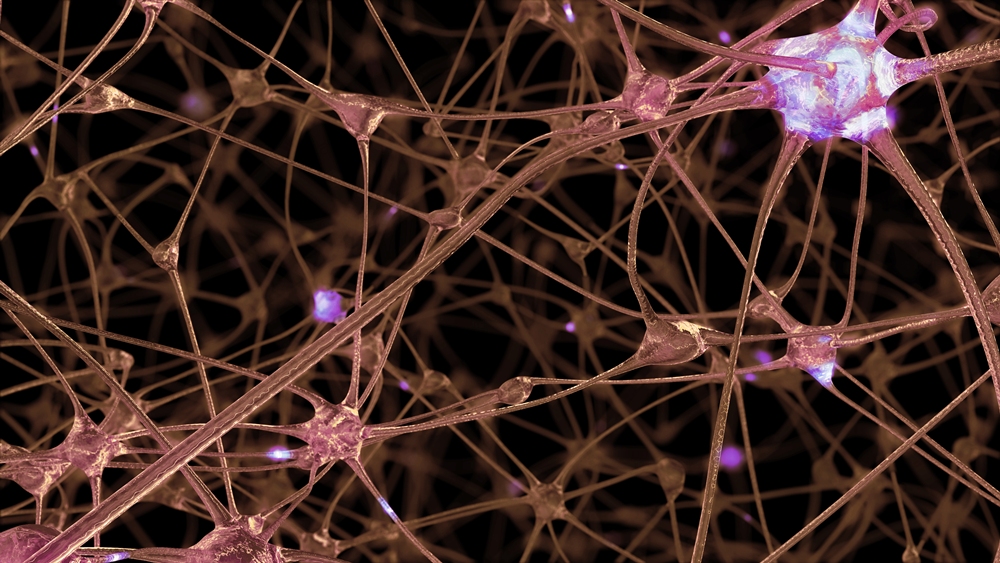
Researchers have grown key brain cells linked to MND and damaged in spinal injuries, opening a path to better disease models and regenerative therapies. The findings lay foundations for disease models and potentially regenerative treatments for conditions including amyotrophic lateral sclerosis (ALS), the most common form of motor neurone disease, and spinal cord injury. Corticospinal [...]

Long-term air pollution may raise the risk of motor neurone disease and worsen outcomes after diagnosis, new research suggests. The study, one of the largest to examine this link, tracked 1,463 people newly diagnosed with MND in Sweden, comparing them with over 7,300 population controls and nearly 1,800 sibling controls to account for genetic and [...]

A Leeds Rhinos fan will run 108 miles for motor neurone disease charity in memory of his best friend's mum. Andrew Richardson will take on an ultramarathon from his hometown, Horsforth, to the Yorkshire Three Peaks and back to raise funds for the Motor Neurone Disease Association. The 30-year-old was inspired to attempt the challenge [...]

US$1.04bn agreement for a novel investigational Alzheimer's therapy Biopharma company ADEL has announced that it has entered into an exclusive worldwide license agreement with Sanofi, a multinational healthcare company, for the development and commercialisation of ADEL-Y01. ADEL-Y01 is a potential first-in-class antibody therapy for Alzheimer's disease, and related backup compounds. The total [...]

A new ALS blood test can identify the disease from a single blood draw with 97 per cent accuracy, researchers say. The test can also rule out people who do not have ALS, potentially ending long diagnostic delays. ALS, or amyotrophic lateral sclerosis, is a paralysing disease caused by the death of motor neurones. [...]

Regular exercise is linked to lower disability, fatigue and depression in people with multiple sclerosis, a five-year study has revealed. Other lifestyle factors also supported better outcomes. A higher-quality diet was independently associated with less disability, while not smoking was tied to lower depression scores. The researchers wrote: "These insights may guide personalised [...]


