



MND / ALS
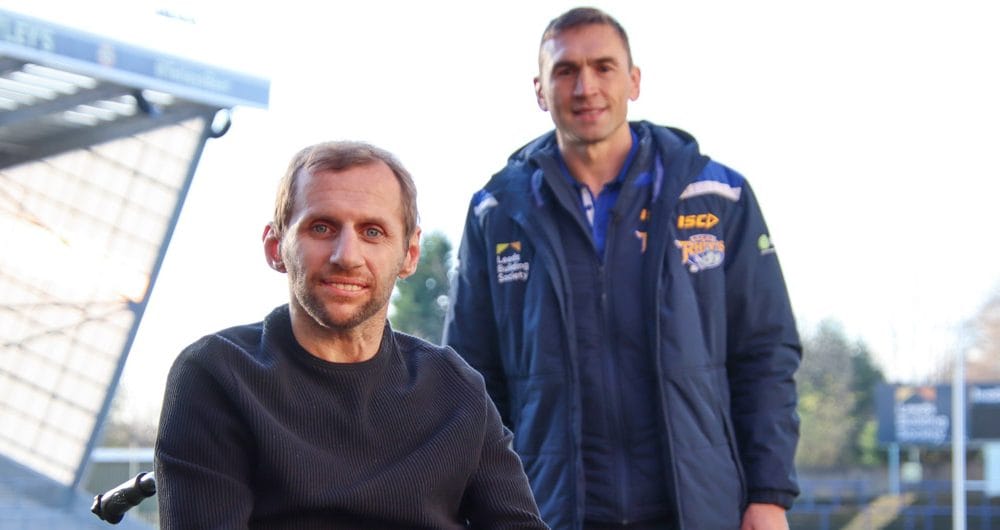
Two legends of Rugby League have been announced as patrons of the MND Association, in recognition of their efforts which have so far raised almost £3million.
Rob Burrow MBE, who is living with MND, and his former Leeds Rhinos team-mate and friend Kevin Sinfield OBE, have both contributed significantly to fundraising and awareness-raising of MND and the work of the MND Association. The announcement comes today, on 7/7, in recognition of Rob’s playing number and which has been hailed by Leeds Rhinos as #RobBurrowDay, with huge support from social media. It also marks the day on which Kevin takes on his latest challenge - a marathon around Saddleworth, in Greater Manchester, starting at 7am. He is hoping to boost the total raised, inspired by Rob, and hit the £3million mark. Kevin’s efforts in his 7 in 7 Challenge - which saw him complete seven marathons in as many days - led to the creation of a dedicated £1million fund to lead new research into potential treatments.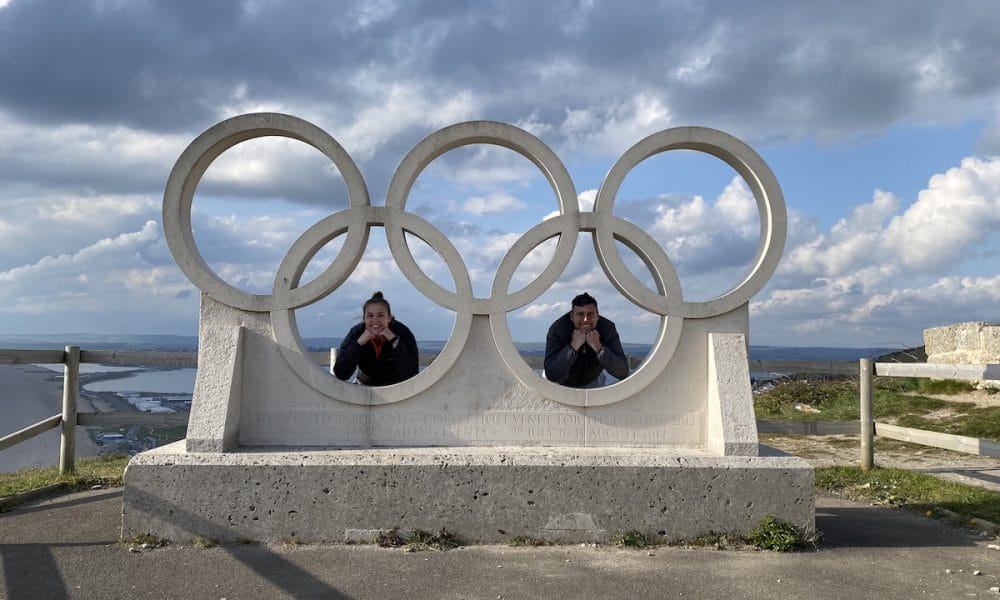
Olympic fever will be hitting the UK soon as the postponed Tokyo games finally get underway next month.
With athletes from around the globe competing in various sports, one couple from Bristol are looking to emulate this in the name of motor neurone disease (MND). Charlotte Nichols and Stuart Bates have set themselves the enormous challenge of completing every event that will take place in this year's games while it is on. From archery to boxing, javelin to hockey the pair will try their luck at every sport this summer to raise money for the MND Association. Stuart had a close connection to this cause, having lost his brother Spencer to the disease.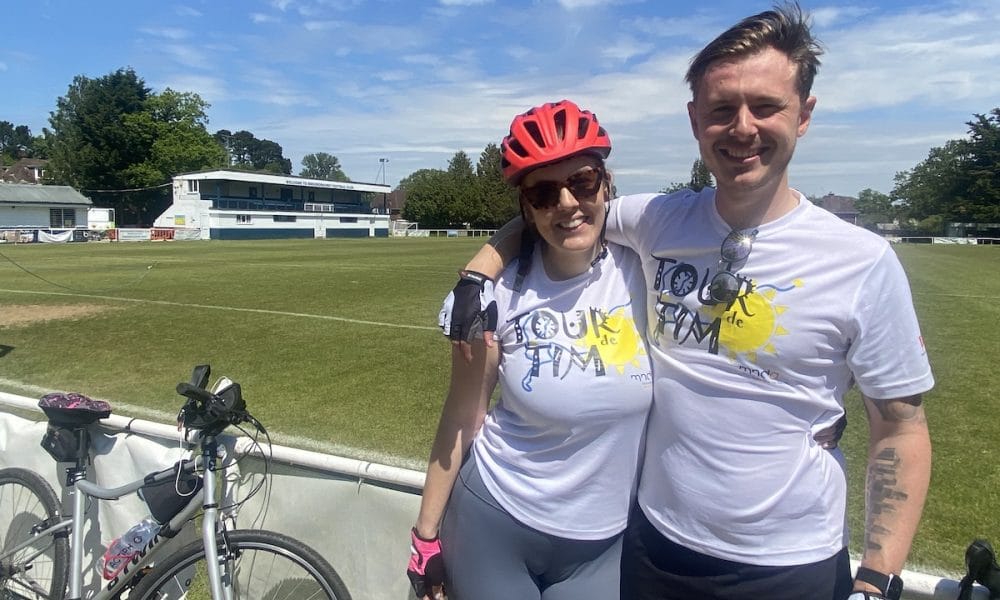
A radio presenter has raised over £5,000 for the MND Association and paid tribute to her late father by cycling over 100 miles to visit all of his former football clubs.
Fern Balch, who works for both the BBC and talkSPORT, took on the mammoth cycle last month to mark ten years since her dad, Tim, lost his battle with motor neurone disease (MND). The ‘Tour de Tim’ featured twelve different teams across Dorset and Hampshire which he either managed or played for, all of which he had an impact on. Despite being fit and busy all his life Tim was diagnosed with MND in March 2010, with its fast progression taking its toll on both him and his family.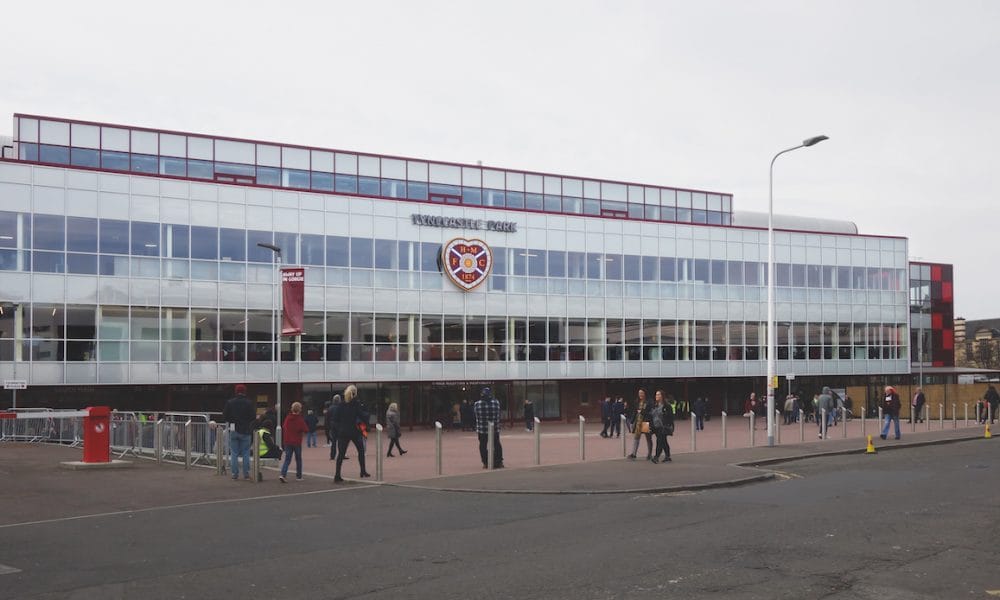
Heart of Midlothian Football Club have committed their support to helping fund a cure for motor neurone disease (MND) by naming one of Scotland’s leading neuro charities as the men’s shirt sponsor for the upcoming season.
MND Scotland will have their logo placed on the front of each jersey for the 2021/21 campaign in a bid to raise both awareness about the condition and money for the charity. The Edinburgh-based team are also using the deal to pay tribute to club legend and former captain Marius Žaliūkas, who tragically lost his battle with MND last year. The average life expectancy for MND patients is just 18 months after diagnosis according to the charity, but the Lithunaian defender lived for the condition for nearly seven years. Žaliūkas passed away aged 36 and was adored by fans, being part of the team that won the 2012 Scottish Cup.
Eye tracking technology is proving to be a lifeline for people living with ALS, delivering vital communication assistance which helps to break isolation. Here, leading healthtech influencer and ambassador for health innovation Gil Bashe discusses the power of such intervention
The moment the flood of ice-cold water poured over my head, there was shock and silence; seconds afterward, my senses returned. I blurted out: “That’s cold!” Family nearby laughed, the moment passed, and the video of my ALS Ice Bucket Challenge was shared online. Mission accomplished, or so one might think. My state of frozen speechlessness was over in a moment, but for people diagnosed with ALS (amyotrophic lateral sclerosis also known as Lou Gehrig's disease), that state doesn’t just last for a moment. It’s an ongoing, harsh and frightening reality that makes life more difficult and can actually shorten it.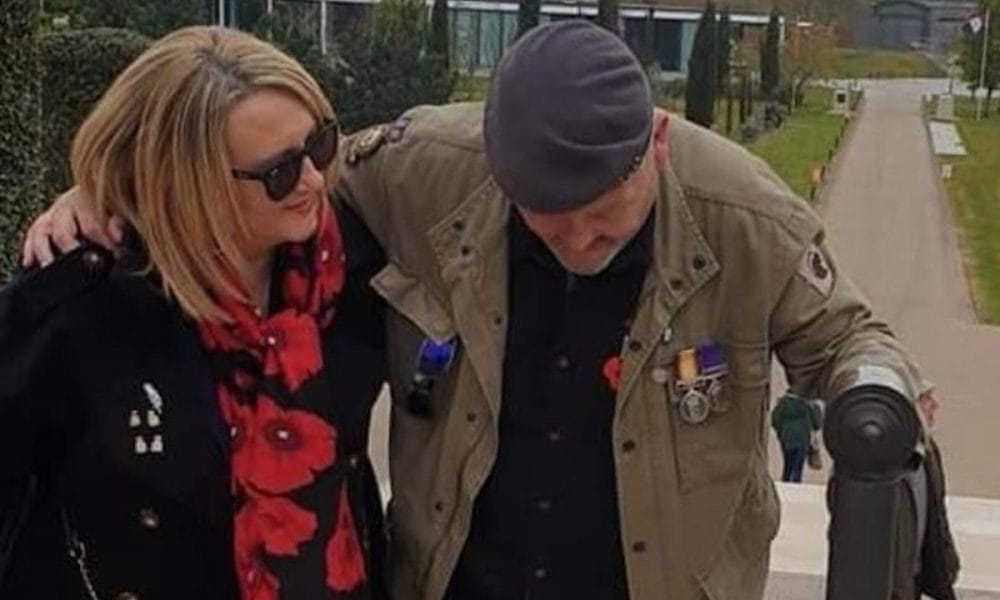
A former RAF serviceman with motor neurone disease (MND) is ticking one thing off his bucket list to raise money for charity as he completes a skydive.
51-year-old Lez Wainwright was diagnosed with the condition in February and began thinking about all the things he wanted to do in life. One of these is a skydive and even though he had served in the Royal Air Force (RAF) for nine years, it is something he has never done before. “After my diagnosis I decided to do a bucket list,” he said. “A skydive was one of the things I’ve always wanted to do. “Originally I was too scared but I thought now is my chance to get it out the way with and get it done.”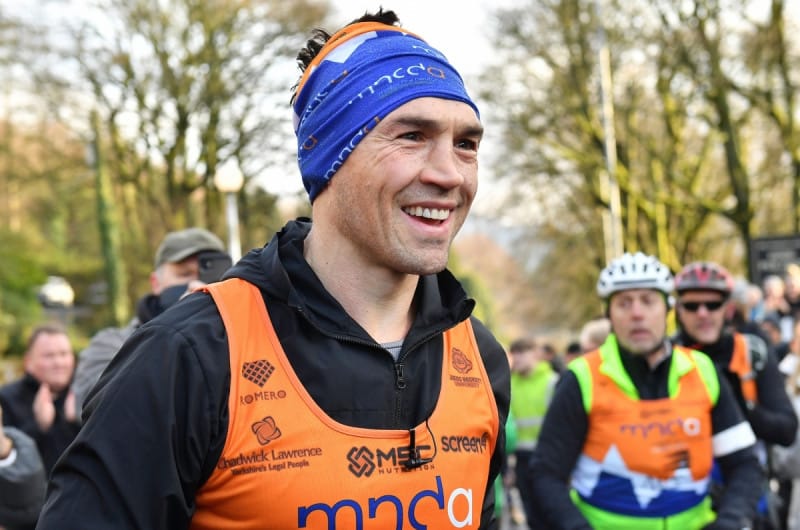
A £1million fund has been created to lead new research into potential treatments for Motor Neurone Disease (MND) through the efforts of an iconic challenge by Kevin Sinfield.
Kevin, director of rugby at Leeds Rhinos, raised over £2million through his 7 in 7 Challenge, inspired by his former team-mate and close friend Rob Burrow. Rhinos legend Rob was diagnosed with MND in December 2019, and Kevin completed seven marathons in as many days to help boost badly-needed research into the condition. Now, with £500,000 of the money raised through the 7 in 7 Challenge ring fenced for research, that sum has been matched by medical research charity LifeArc.
Pioneering treatments could be developed for people with motor neurone disease (MND) after a new study shed light on how the damage to nerve cells can be repaired by improving the energy levels in mitochondria.
Researchers have discovered that, in human stem cell models of MND, the axon - the long part of the motor neuron cell that connects to the muscle - is shorter than in healthy cells.
Rolls-Royce through its data technology arm, R2 Data Labs, has partnered with the Motor Neurone Disease Association and some of the world’s leading technology companies, including Accenture, Computacenter, Dell Technologies, Intel and Microsoft, to pool technology and expertise to improve the lives of those living with extreme disabilities. For the first time, those living with MND will be able to have a conversation through a computer using their own voice, words, colloquialisms and accent, without pausing to type answers or being restricted to a prescribed set of words. The new technology, called Quips, uses voice-banking and AI to learn a person’s unique language style and use it in conversation.

The UK Motor Neurone Disease Clinical Studies Group has launched an updated version of its online portal. It enables users to find out about all the MND clinical research studies taking place across the UK.. The MND CSG’s aim is to “bring together expertise and enthusiasm to develop and improve both the quality of MND research in the UK, and the number of research studies available for people living with MND to participate in nationally”.


