



Parkinson’s

An ultrasound helmet that can target brain areas 1,000 times smaller than previous ultrasound methods may offer a non-invasive alternative to surgery for Parkinson’s disease. The device directs mechanical pulses to regions as small as a grain of rice in the brain, potentially replacing deep brain stimulation (DBS). DBS requires electrodes to be surgically implanted [...]

Neuro Rehab Times explores the latest developments in the world of neurology and neurorehabilitation. Gut immune system mouse model of Alzheimer’s provided new target for therapeutics The gut immune system is altered in a mouse model of Alzheimer’s, new research has found. The research shows that some immune cells in the gut travel along the [...]

New research may help explain what goes awry in the brains of people with Parkinson’s disease and could potentially lead to the development of new treatments. Researchers have long known that a particular subset of neurons die as Parkinson’s disease progresses, but they aren’t sure why. The new work shows that in mice, chronic activation [...]

Having a larger waistline, high blood pressure and other risk factors that make up metabolic syndrome is associated with an increased risk of Parkinson’s disease, according to a new study. The study does not prove that metabolic syndrome causes Parkinson’s disease; it only shows an association. Metabolic syndrome is defined as having three or more [...]

A low-oxygen environment, similar to air at Mount Everest base camp, could slow or even reverse Parkinson's symptoms, new research suggests, offering hope for new therapies. The study found that faulty cellular processes in the brain cause oxygen molecules to build up, damaging neurons and triggering symptoms. Restricting oxygen intake appeared to slow or even [...]
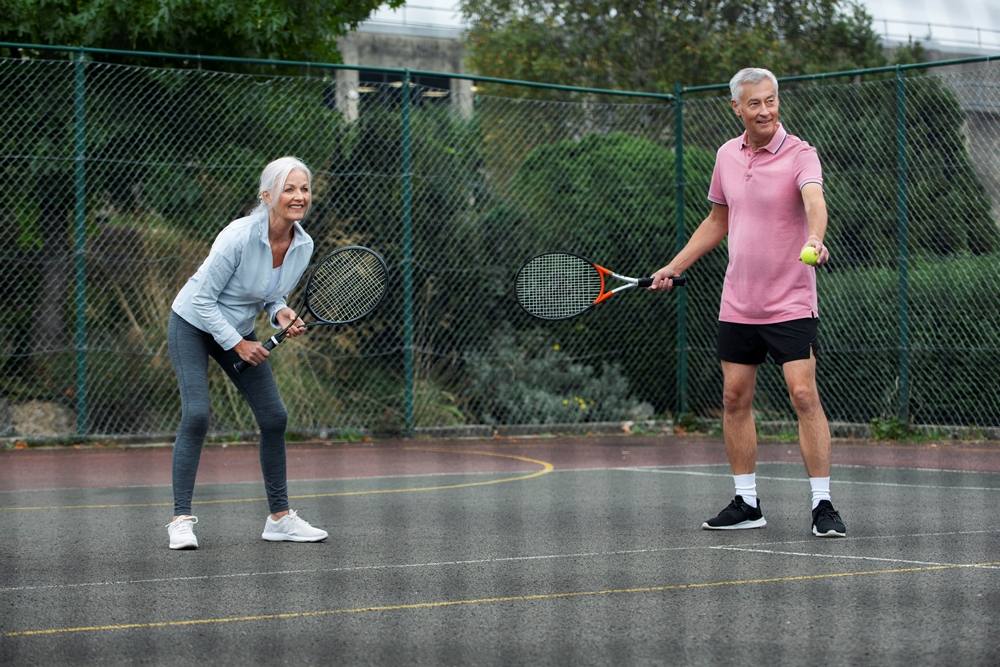
A new podcast series has been launched to help people with Parkinson's stay active. Get Active Stay Active, delivered by 1FitLife and Parkinson's UK, covers topics such as building up exercise intensity and choosing suitable footwear. The series brings together healthcare professionals, exercise experts and individuals living with Parkinson's to offer advice and guidance. [...]
In June, Cure Parkinson’s convened a workshop of researchers, organisations and individuals in the Parkinson’s community to focus on developing combination therapies. This informed the £2m funding call that the charity is announcing today that will open in October 2025. Currently, clinical trials for Parkinson’s have largely focussed on testing single drugs, or monotherapies, for [...]
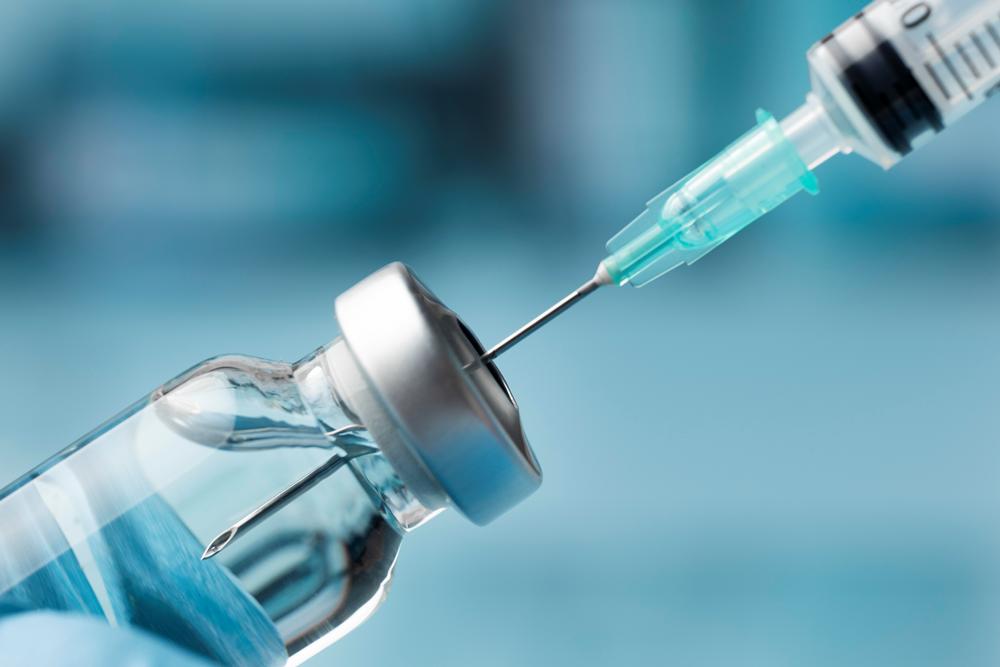
Researchers in Australia have developed a weekly injection for Parkinson’s disease that could replace the need for patients to take multiple daily pills. The treatment combines two key Parkinson’s drugs – levodopa and carbidopa – in a single injectable dose that releases gradually over seven days. After more than two years of research, the team [...]

Artificial intelligence has been used to predict brain stimulation settings that could improve walking in people with Parkinson’s disease. Researchers at the University of California, San Francisco (UCSF), developed personalised algorithms to estimate which deep brain stimulation (DBS) settings would be most effective for each individual. In early tests, participants showed improvements in walking performance. [...]

A retired army captain diagnosed with Parkinson’s is holding a tea party to raise £5,000 for research into the condition. Geoff Hodgson, 62, was diagnosed with Parkinson’s in September last year. He and his husband Stephen Garry are organising the fundraiser to support others going through similar experiences. The event will take place at their [...]


