



Parkinson’s

NR Times explores the latest developments in the world of neuro-rehabilitation. Study of killifish reveals how protein dysfunction develops in vertebrate brain cells, shedding light on cognitive decline A new study has shed light on diseases like Alzheimer’s, Parkinson’s, and ALS. Ageing and neurodegeneration are both known to disrupt the production of functional proteins in [...]

Until now there has been no reliable mechanism for people with Parkinson’s to find a personal trainer with the relevant skills and knowledge to work effectively with people with the condition. With exercise still the only disease-modifying therapy for Parkinson's, the support offered by a personal trainer can be life changing if you have the [...]

Regular cycling may reshape brain activity in people with Parkinson’s disease, according to a pilot study that tracked neural changes using implanted brain stimulation devices. Researchers monitored participants with Parkinson’s before and after 12 dynamic cycling sessions over four weeks, using deep brain stimulation (DBS) implants to record signals from the subthalamic nucleus – a [...]

Light therapy is being trialled in Parkinson’s patients, with early signs suggesting it may slow the deterioration of damaged brain cells in some cases. The technique involves directing light beams at nerve cells deep in the brain to stimulate mitochondria – structures that generate energy within cells – and potentially restore function. Scientists [...]

An AI screening tool has shown promise in detecting early signs of Parkinson’s disease by analysing speech patterns, potentially supporting earlier diagnosis. Scientists at the University of Rochester developed the algorithm to detect subtle speech changes linked to Parkinson’s – a progressive neurological condition that affects movement and coordination. The system was trained on voice [...]
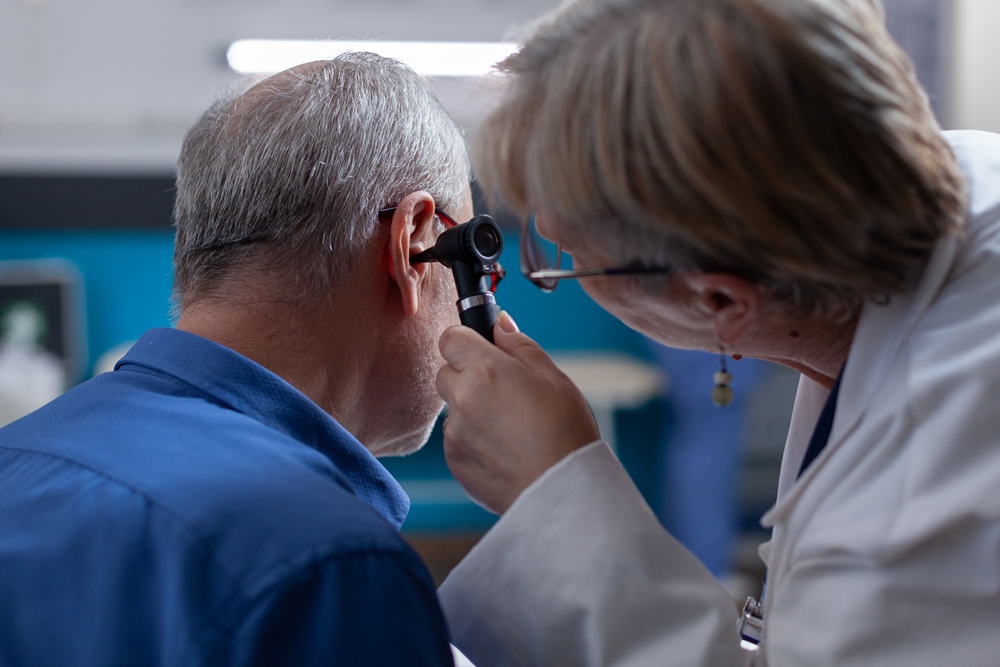
Chemicals in earwax may hold clues to early signs of Parkinson’s disease, with a new study reporting over 94 per cent diagnostic accuracy using these biological markers. Researchers examined how volatile organic compounds (VOCs) – substances released by the body through natural processes – are altered by inflammation and nerve damage associated with Parkinson’s. The [...]
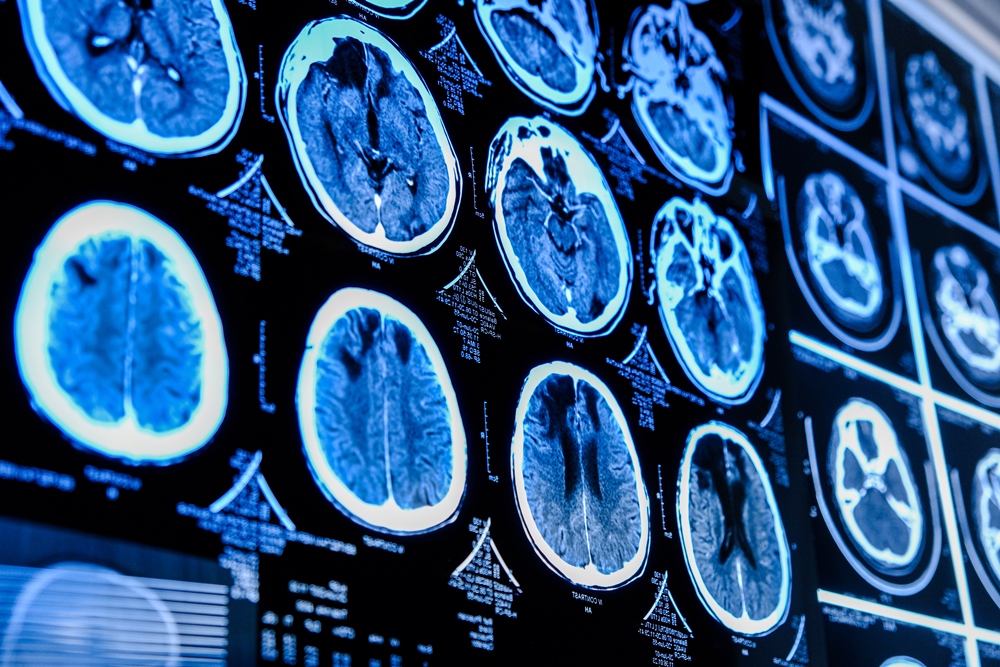
A new research centre receiving up to £50m over 14 years will develop brain stimulation devices to treat Parkinson’s, dementia, stroke and childhood epilepsy. The Medical Research Council Centre of Research Excellence (CoRE) in Restorative Neural Dynamics will explore how patterns of brain activity relate to behaviour and contribute to neurological disorders. Researchers aim to [...]

A new 12-month project aims to improve access to specialist mental health care for people with Parkinson's facing moderate to severe mental illness. The initiative will gather experiences from patients, carers and healthcare professionals to understand barriers and explore solutions for improving support. Moderate to severe mental illness is common in Parkinson’s and includes conditions [...]

Researchers are conducting the first-large scale trial of a device which could help people with Parkinson’s Disease to walk better. Over 200 people with Parkinson’s at eight sites around the UK will test the use of a Functional Electrical Simulation (FES) device, which is already used by people with Multiple Sclerosis (MS) and those who’ve [...]

A widely used cough medicine may help slow the progression of dementia in people with Parkinson’s disease, new research suggests. The 12-month clinical trial tested Ambroxol – a drug used for decades in Europe to treat respiratory conditions – for its potential to protect brain function in people with Parkinson’s disease dementia. The study included [...]


