



Parkinson’s
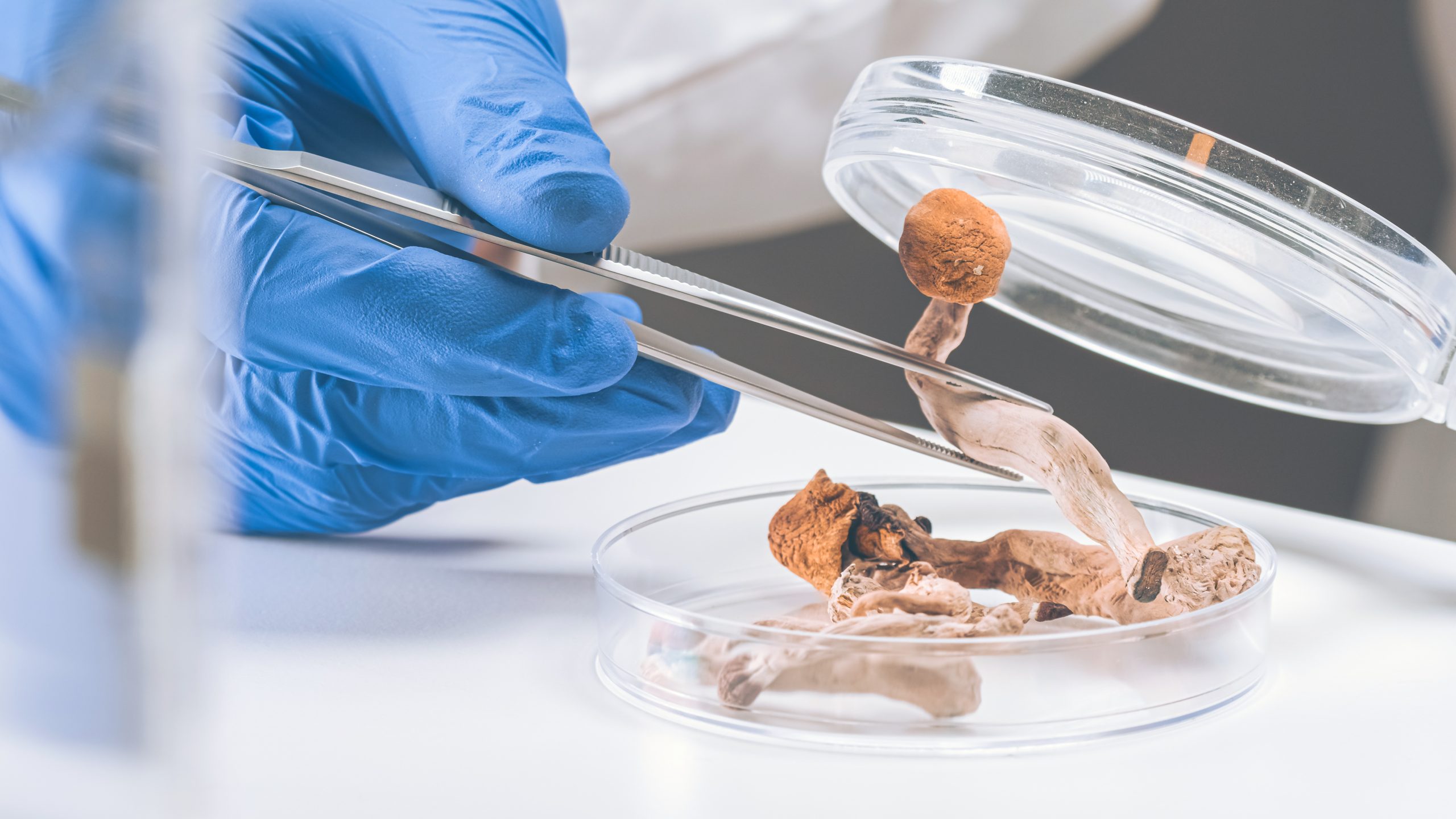
In a landmark study, psilocybin - a psychoactive compound found in a variety of mushrooms - has been found to improve mood and motor symptoms in people with Parkinson's Disease. The study is first-ever to look at the compound for the treatment of a neurodegenerative disease. Parkinson's affects around 10 million people across the globe, [...]

A small protein involved in neurodegeneration leading to Parkinson’s disease also drives a type of skin cancer known as melanoma, new research has found. The study suggests new avenues for drug development to reduce the risk of developing both Parkinson’s and skin cancer by targeting the alpha-synuclein protein, which appears to have a critical role [...]

A deep brain stimulation device called AlphaDBS has recieved CE Mark of approval to advance its roll out across Europe. The AlphaDBS device, developed by Newronika, is a closed-loop DBS system that dynamically adjusts stimulation based on real-time brain signals. The CE approval enables the company to commercialise AlphaDBS in Europe, bringing the treatment option [...]

US researchers have found a new way to more precisely detect and monitor brain cell activity during deep brain stimulation, a common treatment for movement disorders such as Parkinson's disease and tremor. This precision may help doctors adjust electrode placement and stimulation in real time, providing better, more personalised care for patients receiving the surgical procedure. Deep [...]

A breakthrough discovery has linked genetic variants in the gene ITSN1 to a significantly elevated risk of Parkinson’s disease - potentially paving the way for new treatments aimed at slowing or preventing Parkinson’s disease progression. For the study, the team analysed genetic data from nearly 500,000 UK Biobank participants, discovering that individuals carrying rare ITSN1variants [...]
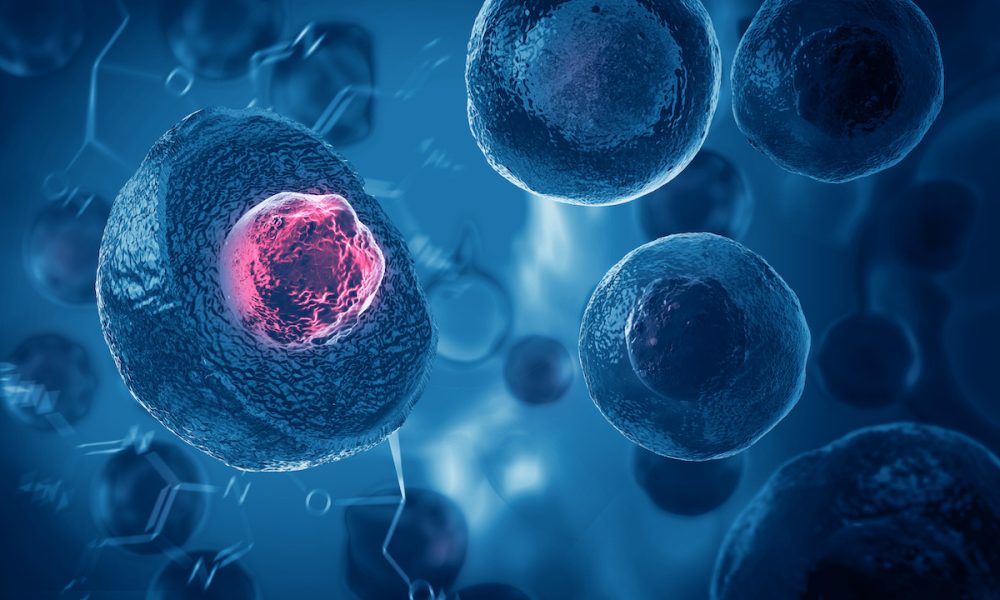
A recently launched Phase 1 clinical trial is examining the safety and feasibility of a groundbreaking treatment approach for Parkinson’s disease in which a patient’s stem cells are reprogrammed to replace dopamine cells in the brain damaged by the disease. The first-of-its-kind trial of an autologous stem cell transplant, based on research and technologies invented [...]

People with obstructive sleep apnea have an increased risk of Parkinson’s disease, but if started early enough, continuous positive airway pressure (CPAP) may reduce that risk, a new study suggests shows. The research found using CPAP within two years of a sleep apnea diagnosis reduced the risk of Parkinson’s. Obstructive sleep apnea is when throat [...]

Scientists have found a potential new target for treating Parkinson's disease - finding that a protein in brain cells may drive Parkinson's onset. The finding offers a possible explanation for why Parkinson's is much more common in men. In recent years, La Jolla Institute for Immunology (LJI) scientists have found increasing evidence that autoimmunity plays [...]
A Newcastle hospital is one of just four in the world to implant an innovative brain device in Parkinson’s patients that has been shown to help relieve movement disorder symptoms by up to 80 per cent. The brain stimulation device - Brainsense - consisting of implanted wires in the brain that attach to a monitor [...]

One in two family caregivers of people with Parkinson’s are juggling their responsibilities with an estimated 37 hours a week of employment, a new report suggests. The scale of the challenge faced on a daily basis by many family caregivers of people with Parkinson’s has been set out in a new report. It highlights the [...]


