



Parkinson’s

A new study is challenging a popular theory about how dopamine drives movement, a discovery that could shift how scientists think about Parkinson’s disease treatments. The McGill University-led research found dopamine does not set the speed or force of each movement, as had been thought. Instead, it appears to act as the underlying support system [...]

Parkinson's UK and Table Tennis England have announced a partnership to create more chances for people with Parkinson's to play table tennis. The formal collaboration builds on a relationship developed over recent years as the benefits of table tennis for people with Parkinson's have become clearer. Exercise is recognised as the best and possibly only [...]
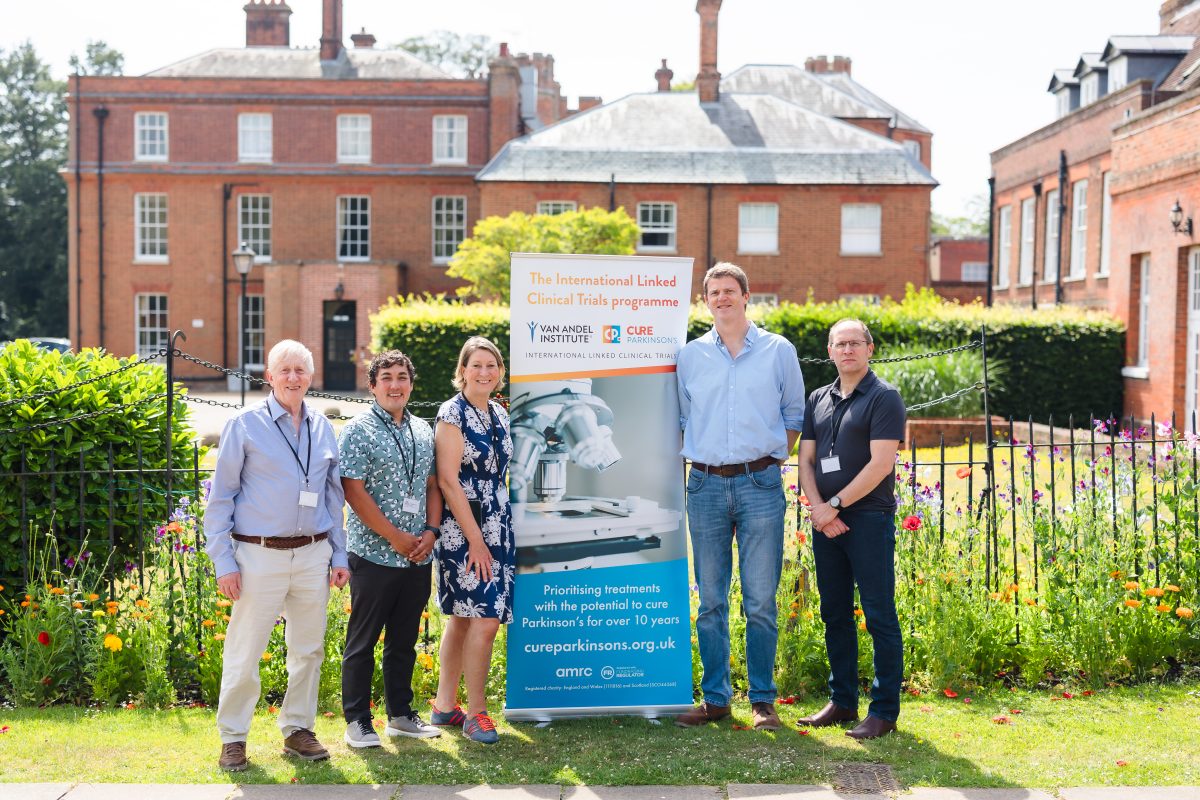
A funding agreement has been renewed to support what is described as the world's largest drug repurposing clinical trial initiative for Parkinson's disease. As part of the three-year agreement, US$750,000 will be pledged annually by charity Cure Parkinson's and independent research facility, Van Andel Institute (VAI), to the International Linked Clinical Trials Programme. [...]

Untreated restless legs syndrome may raise the risk of Parkinson's disease, while dopamine-agonist therapy could lower it, a study has found. Restless legs syndrome is a common neurological sleep disorder characterised by an uncontrollable urge to move the legs, often worsening at night. Parkinson's disease is a progressive condition that causes tremor, rigidity and slowed [...]

Scientists identify how protein droplets trigger the harmful clumping that drives Parkinson's disease, potentially opening new treatment paths. The discovery reveals how ubiquilin-2 protein catalyses the aggregation of alpha-synuclein, the misfolded protein that forms toxic deposits in the brains of people with Parkinson's. These deposits, called Lewy bodies, accumulate in neurons in the substantia nigra [...]

People with untreated sleep apnoea face nearly double the risk of Parkinson's; using CPAP therapy appears to cut that risk, the study of 11m veterans suggests. The study of more than 11 million US military veterans found that using continuous positive airway pressure (CPAP) therapy significantly reduced this heightened risk. Obstructive sleep apnoea (OSA) is [...]

Researchers have discovered that irregular brain signals, previously dismissed as 'noise', track Parkinson's symptoms more accurately than traditional markers. The finding could help improve deep brain stimulation (DBS), a treatment that uses mild electrical pulses to ease symptoms by modulating abnormal brain activity. Scientists at the Max Planck Institute in Germany, working with teams from [...]

NR Times explores the latest research developments in the world of neurorehabilitation Brain stimulation improves vision recovery after stroke Hemianopia is a condition that causes loss of half of the visual field (the “vertical midline”), which can happen following stroke and can severely affect daily activities such as reading, driving, or just walking through a [...]
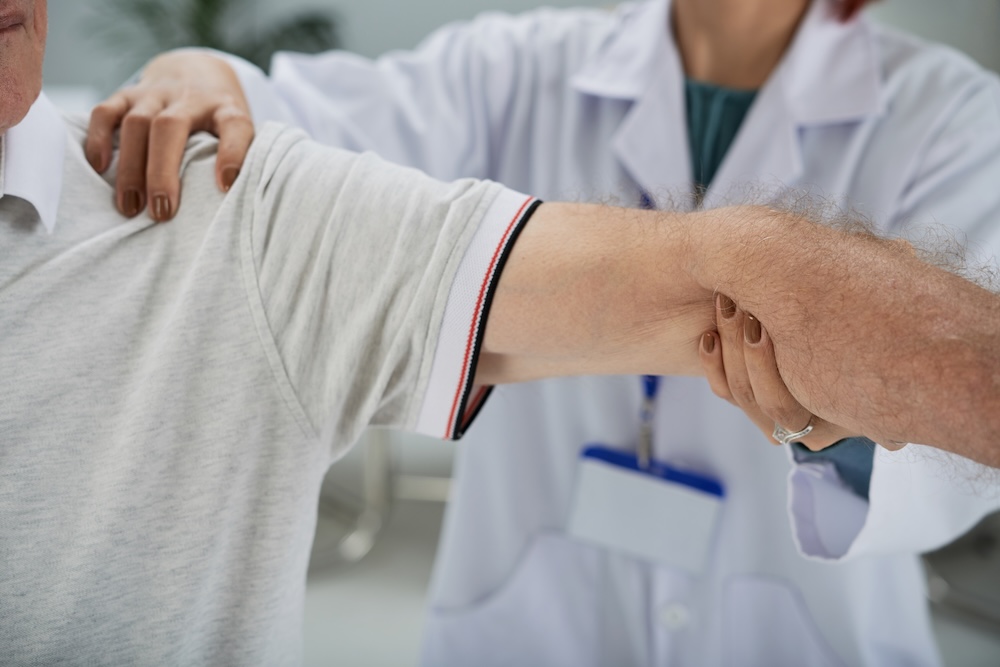
A simple walking test that times how quickly people turn could flag Parkinson's nearly nine years before diagnosis. The finding could help spot patients in the prodromal phase – the earliest stage when brain damage starts but symptoms are subtle. This window can last years before tremor and movement problems prompt diagnosis. The [...]

A smartphone platform that helps doctors monitor Parkinson’s symptoms has raised US$5.6m to expand its commercial capacity and advance dementia-monitoring technology. The funding brings total investment to US$11.2m for the clinically validated system, which uses smartphones to track changes in movement, speech and cognition. Kneu Health’s platform includes a tremor measurement tool cleared by the [...]


