



Research

Grip strength and patterns of brain connectivity may offer early indicators of psychosis, according to researchers exploring new avenues for detection and treatment. The study found that people in the early stages of psychosis had weaker grip strength and lower well-being scores than healthy individuals, with both measures linked to changes in how brain networks [...]

A new bioelectric implant has restored movement in rats with spinal cord injuries, offering early evidence of a possible future treatment for paralysis in humans. The ultra-thin device sits directly on the spinal cord and delivers a carefully controlled electrical current across the injury site, encouraging damaged nerve fibres to heal. Rats treated daily for [...]

Good-quality sleep could play a bigger role than sleep duration in protecting brain health in later life, new research suggests. The study monitored women aged 82 and over who had no signs of cognitive impairment. Participants were recruited after experiencing fractures linked to osteoporosis and wore wrist-worn actigraphy devices to track their movement, sleep and [...]

Two medical technology projects from Addenbrooke’s Hospital have secured a share of £3m in national funding to support work on acquired brain injuries. The projects are among 35 selected through the Invention for Innovation (i4i) Funding At the Speed of Translation (FAST) 4 Awards, run by the National Institute for Health and Care Research (NIHR). [...]

Women who experience pregnancy complications face a higher risk of stroke in the decades after giving birth, new research shows. The study, which tracked more than two million women over 40 years, found greater stroke risk among those who had high blood pressure or diabetes during pregnancy, a preterm birth, or a baby with low [...]

The Longitude Prize on ALS, a new £7.5 million global challenge prize, has launched today to incentivise and reward cutting edge AI-based approaches to transform drug discovery for the treatment of ALS (amyotrophic lateral sclerosis), the most common form of MND (motor neurone disease). ALS is a progressive neurodegenerative disease that damages the nerves in [...]

A Phase 2a trial of a new Parkinson’s disease drug has passed an interim safety review, allowing researchers to proceed with higher dose testing. The EXIST study is assessing exidavnemab as a potential treatment for Parkinson’s disease and multiple system atrophy (MSA)—a rare disorder where nerve cells in multiple areas of the brain progressively deteriorate. [...]

Women exposed to physical abuse in domestic violence can face serious mental health issues that persist for decades after the abuse has ended, new research has revealed. Around 30 per cent of women globally will experience intimate partner violence—commonly referred to as domestic violence—at some point in their lives. This can include physical abuse that [...]
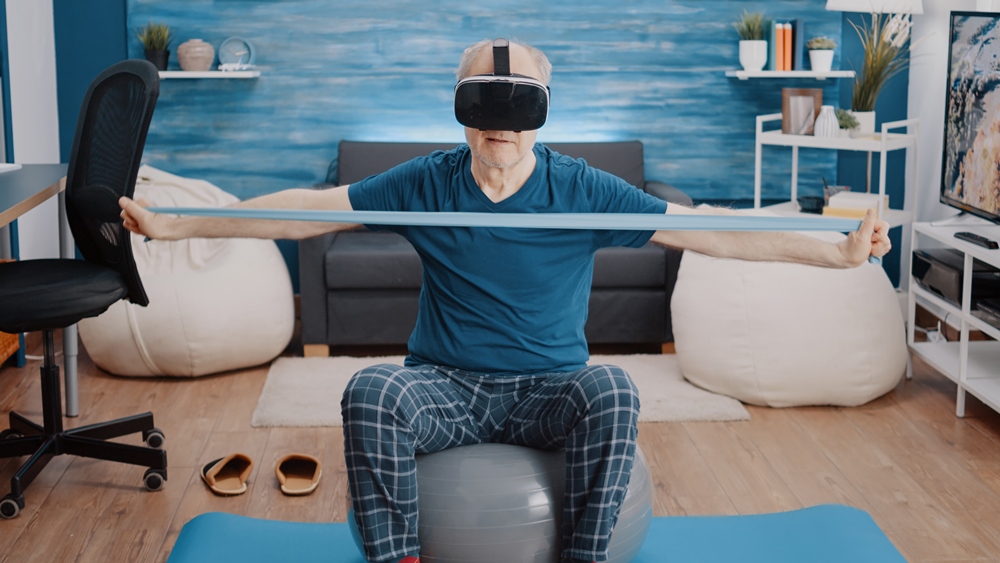
Virtual reality used alongside standard therapy may help stroke survivors regain arm function, a major new analysis suggests. The updated review, which draws on data from 190 trials involving 7,188 people, suggests VR could be a promising rehabilitation tool—particularly by increasing the amount of therapy patients receive without needing constant supervision from clinicians. This is [...]

Personalised electrical stimulation may improve movement recovery in people with spinal cord injuries, early findings suggest. A study involving five participants found that adjusting the location, strength and type of stimulation produced stronger muscle responses than standard, uniform approaches. The research, from Thomas Jefferson University’s Raphael Center for Neurorestoration, investigated transcutaneous spinal cord stimulation (tSCS). [...]


