



Research

Heading a football can alter brain structure and chemistry, even without causing concussion or impairing thinking, a controlled trial using MRI scans has shown. In the study, fifteen adult male players were asked to head a football 20 times in 20 minutes. While no immediate cognitive problems were observed, the MRI scans revealed small but [...]

A proposed framework for assessing traumatic brain injury (TBI) adds blood tests, scans and patient history to the standard Glasgow Coma Scale. The new CBI-M system builds on the Glasgow Coma Scale (GCS) – widely used to assess levels of consciousness after brain injury – by introducing three additional pillars to support more accurate diagnosis [...]

Irregular sleep patterns during adolescence may alter how the brain responds to prenatal risk factors linked to conditions such as schizophrenia and autism, new research in mice suggests. The study found that circadian rhythm disruption – when the body’s internal clock is out of sync – can influence memory, anxiety, social behaviour and gene activity [...]

NR Times explores the latest pharma and business developments in business in the world of neuro-rehab. Roche to advance Phase III development for early-stage Parkinson's disease treatment Roche has confirmed it will be advancing to the Phase 3 development of prasinezumab, an investigational anti-alpha-synuclein antibody, in early-stage Parkinson’s disease. Multiple endpoints from the [...]

Eating five cups of fruit and vegetables during the day may significantly improve sleep quality that same night, according to new research. The study is the first to show a time-based link between what people eat during the day and their objectively measured sleep that night. Sleep fragmentation – when a person wakes frequently or [...]

Cure Parkinson’s and Alzheimer’s Research UK are working on an initiative that could pave the way for innovative neurodegenerative treatments. There is a growing recognition that tackling neurodegenerative diseases could benefit from a collaborative, cross-disease approach. Cure Parkinson's is recognising the overlap in underlying biological processes and drugs that may show potential therapeutic benefits for [...]

Researchers say new insights into blood flow patterns could explain why some heart failure patients with implanted pumps are more likely to suffer strokes. Left ventricular assist devices (LVADs) – mechanical pumps used when the heart can no longer circulate blood effectively – are often the final treatment option for people with advanced heart failure. [...]
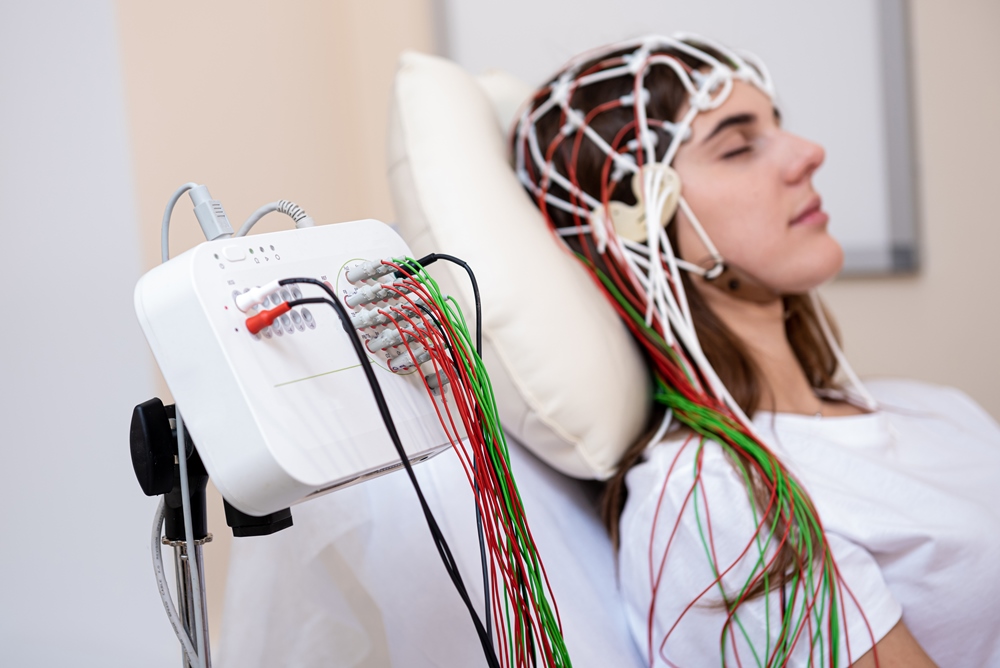
People with severe depression who received electroconvulsive therapy (ECT) were 34 per cent less likely to die by suicide than those treated with standard alternatives such as antidepressant medication, a major international review has found. The meta-analysis – which combines and analyses data from multiple earlier studies – also showed a 30 per cent reduction [...]
A class of drugs currently used to treat cancer may also help stroke patients recover by protecting neurons and limiting damage following a stroke. Known as HDACi (histone deacetylase inhibitors), these drugs work by altering gene expression in microglia – the brain’s immune cells – following stroke. Instead of driving damaging inflammation, HDACi appear to [...]

A brain-computer interface has enabled a man with ALS to speak in real time by converting brain activity directly into a synthetic voice. The investigational system allows the user to communicate with family through a digital vocal tract that simulates speech, enabling him to adjust intonation and even produce simple melodies. Unlike earlier technologies that [...]


