



Research
New studies, trials and evidence in neurorehabilitation.
 Brain injury7 Oct
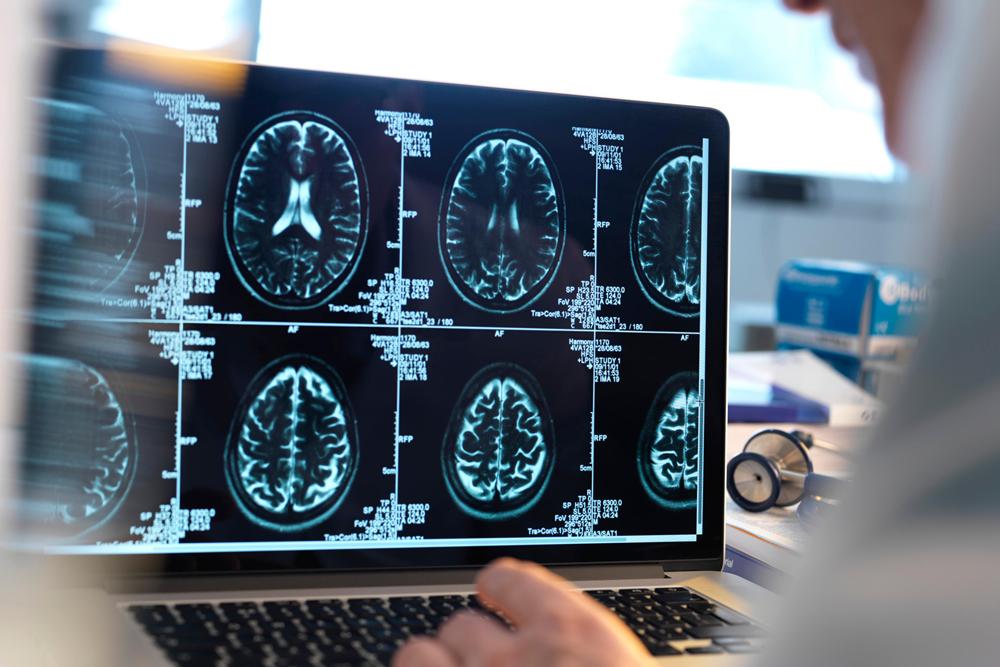
Mild traumatic brain injury was linked to higher musculoskeletal injury risk among US service members, a study found. Researchers analysed 26,784 active-duty service members, including 13,392 who had experienced mild traumatic brain injury (mTBI) and 13,392 matched controls without mTBI. The hazard of a subsequent musculoskeletal injury was 2.24 times as high among those with [...]
 Stroke7 Oct
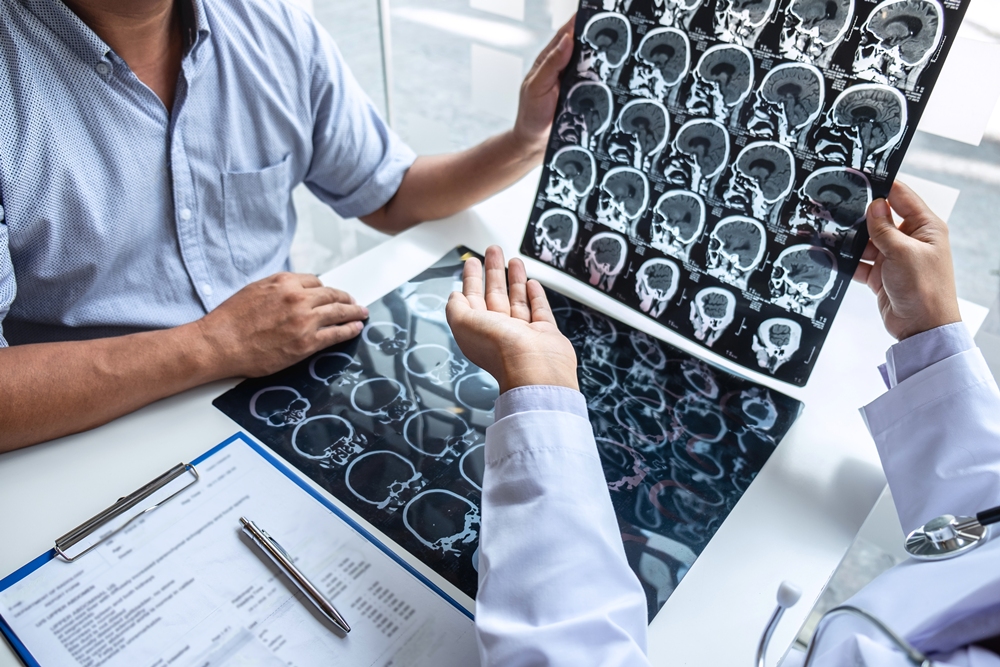
A graphene-based brain sensor could help doctors watch the hidden damage unfolding during a stroke in real time, offering new hope of preventing devastating brain injuries before they become irreversible. The ultra-sensitive monitoring technology reveals how different parts of the brain respond during a stroke, potentially allowing doctors to identify which areas can still be [...]
 Parkinson's7 Oct
Earlier DBS was linked to slower cognitive decline in people with Parkinson's disease carrying a GBA1 genetic mutation, a study has found. Researchers analysed 343 patients across 10 medical centres in the US and Europe, comparing outcomes in people with and without GBA1 mutations who underwent surgery earlier or later in their disease. Among GBA1 [...]
 Parkinson's6 Oct
A clinical trial is testing whether a new drug can improve motor fluctuations in people with Parkinson’s disease. The ARISE study is examining the oral drug solengepras, also known as CVN424, in people with movement, balance and coordination problems. Researchers are studying whether the drug can reduce the activity of an overactive brain receptor thought [...]
 Spinal injury6 Oct
A spinal cord injury trial has reported early improvements in urinary urgency and bladder capacity using an implanted electrical stimulation device. Eight people have received an epidural stimulation device in the ImPRESS trial so far, with five completing the study. Interim results show that using the stimulator suppressed the urge to urinate and increased bladder [...]
 Stroke5 Oct
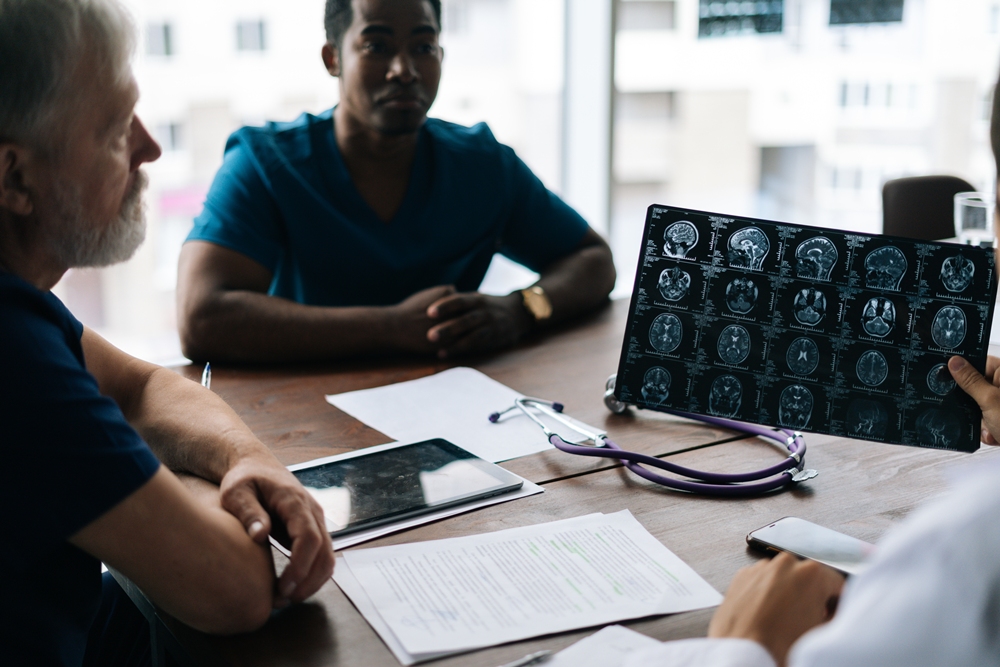
A gut bacterial compound may worsen stroke brain injury by influencing immune responses, research in mice suggests. After severe stroke, mice had higher levels of gut bacteria able to produce indole, a compound made from the amino acid tryptophan. Researchers found that indole-producing bacteria worsened brain injury in mice. In people with ischaemic stroke, higher [...]
 Stroke2 Oct
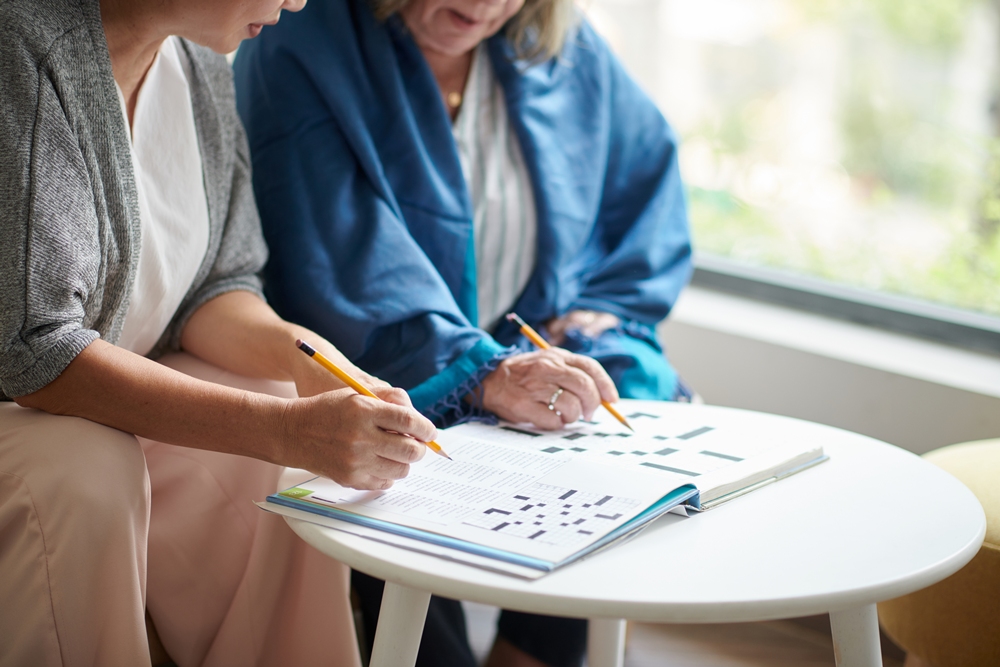
Lower cognitive test scores in adults aged 60 to 69 were linked to a higher future stroke risk in a Swedish study of nearly 5,000 people. The study compared performance on tests of thinking ability, memory and information-processing speed with subsequent stroke risk. Lower thinking ability scores were associated with an 86 per cent higher [...]
 Multiple sclerosis2 Oct
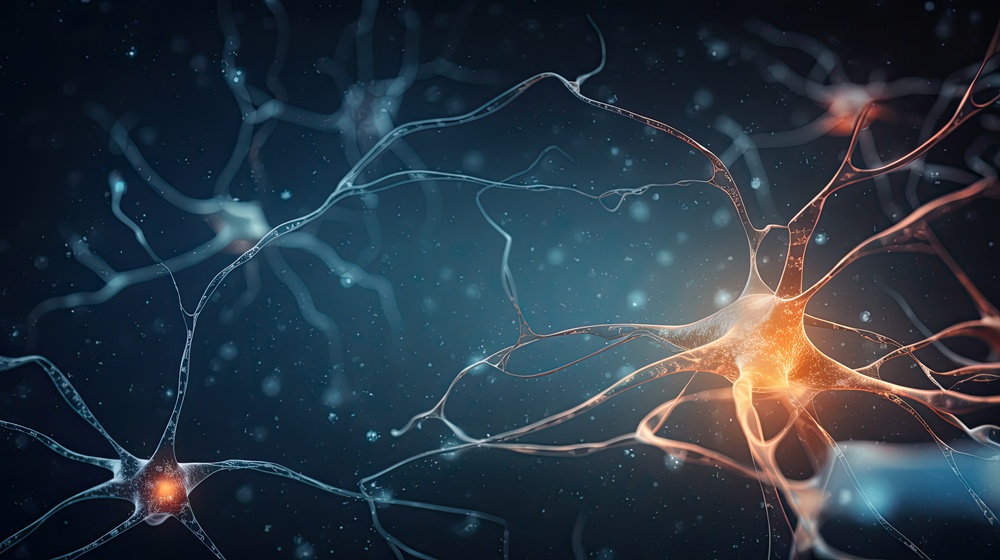
3D mini-brains made from human cells could help researchers study myelin damage and screen potential treatments for multiple sclerosis (MS). The models are about the size of a grain of rice and allow researchers to observe myelin destruction, known as demyelination, and its repair, or remyelination, in human cells. Myelin is the fatty sheath that [...]
 Parkinson's2 Oct
AstronauTx Ltd has announced that it has received funding from The Michael J. Fox Foundation for Parkinson's Research (MJFF) and that Parkinson's UK is funding an additional complementary research effort in collaboration with University College London (UCL). One project will test whether enhancing restorative sleep can reduce the accumulation of pathological proteins linked to Parkinson's [...]
 Research30 Sep
UC San Diego has received US$5m for a new initiative focused on spinal cord recovery and neural restoration. The anonymous donation will fund the newly launched Spinal Therapeutics, Engineering, Limb and Life Advancement (STELLA) Initiative. The programme will bring together scientists, engineers, clinicians and other specialists to accelerate research and clinical translation for spinal cord [...]


