



Research
In a new study, researchers show that some cell types in the immune system are activated more in patients who have Parkinson’s. Parkinson’s disease is best known for its effects on the central nervous system. In addition, recent scientific advances generally emphasise the role of the immune system in the presence and development of the [...]
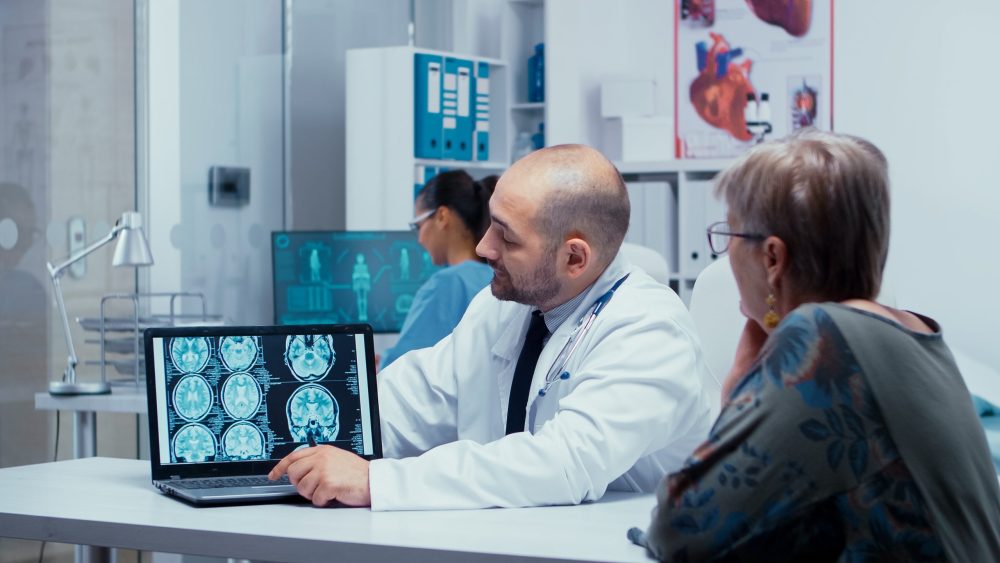
A common sleep aid restores healthier sleep patterns and protects mice from the brain damage seen in neurodegenerative disorders, such as Alzheimer’s disease, according to new research. The drug, lemborexant, prevents the harmful buildup of an abnormal form of a protein called tau in the brain, reducing the inflammatory brain damage tau is known to [...]

Grassroots rugby concussion guidelines need to be improved as players’ brains remain altered despite them being symptom free and cleared to play, researchers have found. The University of Essex is the first to follow an amateur club across a gruelling 22-game season using brain imaging technology. The study led by Dr Ben Jones found seven [...]

Researchers have captured a first-of-its-kind video of dynein-Lis1 protein interaction, supporting future drug development for neurological disorders. Our cells rely on microscopic highways and specialised protein vehicles to move everything - from positioning organelles to carting protein instructions to disposing of cellular garbage. These highways (called microtubules) and vehicles (called motor proteins) are indispensable to cellular [...]

During REM sleep, the body enters a state of paralysis. This can pose a danger for patients with weakened diaphragms due to neuromuscular diseases. Now new research published at the ATS 2025 International Conference has shown that antidepressants that suppress REM sleep are associated with improved survival in people with amyotrophic lateral sclerosis (ALS). The [...]
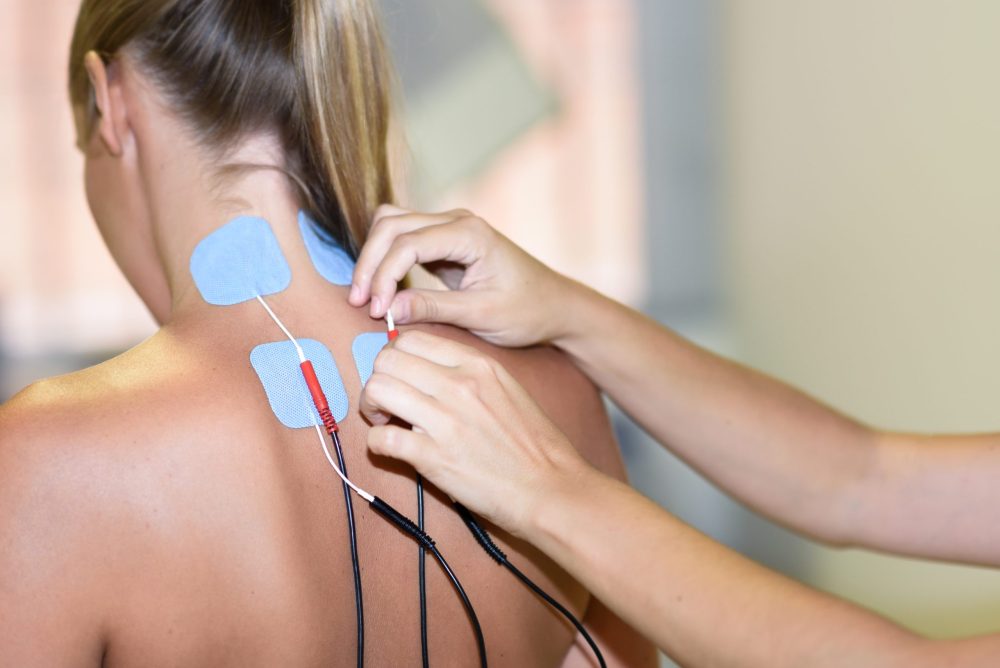
In a new clinical study, researchers have demonstrated unprecedented rates of recovery for spinal cord injuries in patients with upper-limb impairment using an approach called closed-loop vagus nerve stimulation (CLV). In the study, individuals with incomplete spinal cord injury safely received a combination of stimulation of a nerve in the neck - the vagus nerve [...]
When a neuron in our body gets damaged, segments of RNA produce proteins that can help repair the injury. But in neurological disorders such as ALS and spinal muscular atrophy, or following spinal cord injuries, the mechanisms for moving life-essential RNA to injured sites within the cell fail. As a result, RNA molecules can’t get [...]

After more than half a century, assessment of traumatic brain injuries is getting an overhaul. A new framework has been proposed that clinicians say will lead to more accurate diagnoses and treatment, providing more rigorous care for some patients and preventing premature discussions about halting life support in others. Trauma centres in the US will begin [...]

Symptomatic infection with the virus responsible for cold sores around the mouth–herpes simplex 1, or HSV-1 for short - may have a key role in the development of Alzheimer’s disease, suggests a new study. But treatment with antiviral therapy seems to be linked to a lower risk of this type of dementia, suggesting that treatment to [...]

Halving the number of times vital signs and neurological function are checked in low-risk patients after treatment for acute ischaemic stroke does not compromise care or recovery, according to new findings. Stroke is the second leading cause of death and third most common cause of disability of all noncommunicable diseases worldwide. Acute ischaemic stroke is [...]


