



Research
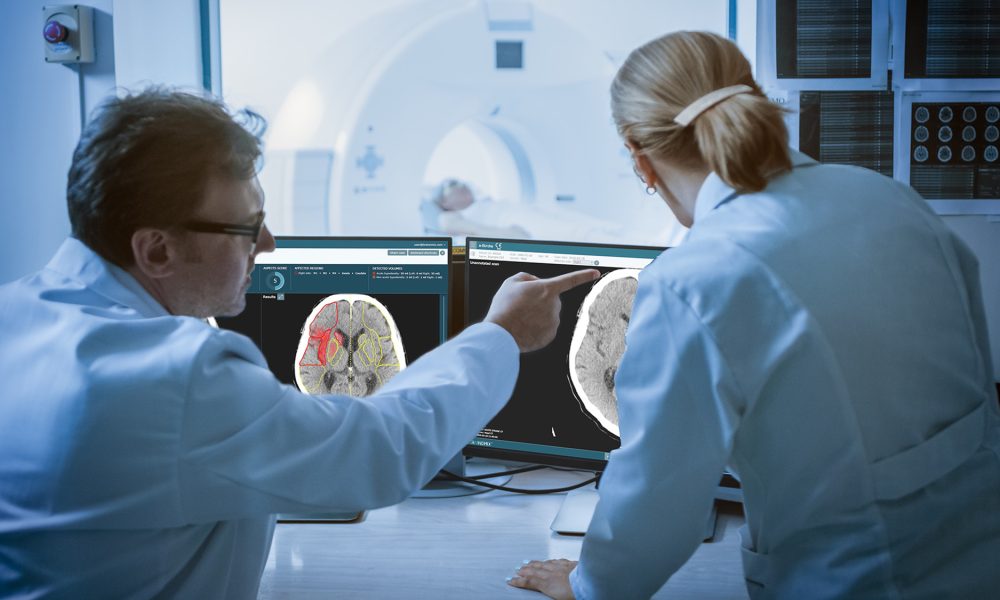
In an effort to close the gap in neurological outcomes for underserved populations, a US $2.9m grant will engage community partners to improve the design of clinical trials in the US. Neurologic conditions including stroke, Parkinson’s disease, and vascular cognitive impairment and dementia contribute to the leading causes of death and disability in the U.S. [...]

Scientists have made an urgent call for more diversity and inclusion in neuroscience studies to enhance their impact on patient outcomes. Currently, many studies primarily include participants who are western, educated, industrialised, rich and democratic but the impact of this is that research findings may not apply to everyone. For example, mental illnesses can show [...]

New research reveals the unique human ability to conceptualise numbers may be rooted deep within the brain — an important insight for learning and neurological procedures. For the study, 13 people with epilepsy who were undergoing a commonly used surgical intervention to map the exact location within their brains where seizures originate, a procedure known [...]

Researchers have revealed new features of the molecular architecture of synaptic vesicles (SVs). Using cryo-electron tomography, the team was able to visualize SVs in 3D and confirm a potentially important protein-protein interaction. They have also broadened the current understanding of SV function and of how the vesicles are recycled. Synaptic versicles – sphere-like structures that [...]

New era of collaboration between brain, blood and immune experts could shape neurological treatments
The future of neurological disease treatment could be shaped by a new "brain-blood-immune" interface which brings together immunologists, neuroscientists, haematologists, geneticists, computer scientists, physicists, bioengineers, drug developers, and clinical researchers. That is according to an expert commentary report published in the journal Cell, which seeks to address the fact that the cause of complex neurological [...]
Gene therapy has emerged as a potential long-term treatment for CALD, a devastating, rare brain disease which causes loss of neurological function and ultimately an early death in children. CALD (cerebral adrenoleukodystrophy) is a progressive, genetic brain disease that primarily presents in young boys. Researchers have found that six years after treatment with the first [...]
An independent report has assessed the legacy of the Human Brain Project (HBP) an EU-backed initiative which concluded in 2023 after 10 years. The HBP brought together more than 500 scientists, clinicians and engineers from all over Europe, to establish new ways of studying human brain complexity through advanced computational methods and cutting-edge technologies. It [...]
A new noninvasive method which harnesses light to activate neurons in the brain could have implications for the treatment of neurological conditions, scientists say. The ability to regulate brain activation could transform invasive procedures such as deep brain stimulation that are used to treat Parkinson’s disease and other neurological conditions. This new technique - which [...]

A new €2 million programme designed to advance research into neurological conditions has been launched in Ireland. The research training scheme will bring 11 postdoctoral researchers from around the world to Ireland, and aims to equip them with the skills needed to progress their research into diseases such as MS, MND, Parkinson's, and neurodevelopmental conditions. [...]

Neurocrine Biosciences has announced that its ERUDITE™ Phase 2 clinical study of investigational compound luvadaxistat (NBI-1065844) failed to meet its primary endpoint as a potential treatment to improve cognitive impairment in patients with schizophrenia. Luvadaxistat failed to replicate the cognitive endpoints data seen in the earlier INTERACT™ study. Researchers say this was due in part [...]


