



Research

While there are currently biomarkers that have been identified for depression, they are not generally reliable and have, so far, not been widely applied in clinical use. Now, researchers have identified what could be the first reliable biomarker for the condition - potentially transforming its diagnosis and treatment. The brain uses networks to coordinate its [...]

Results from the Phase 2 PIVOT-HD study of PTC518 (votoplam) in Stage 2 and Stage 3 Huntington's disease (HD) patients demonstrated that the treatment met its primary endpoint of reduction in blood Huntingtin (HTT) protein levels. The treatment showed a reduction in HTT protein levels at Week 12 and favourable safety and tolerability. The 12-month [...]

A music conductor in the US has returned to the podium after receiving innovative brain technology that controls his Parkinson's tremors, allowing him to lead his symphony with renewed confidence. Rand Laycock*, 70, was diagnosed with Parkinson’s disease shortly before turning 60 after seeking medical advice for thumb twitching. The retired music teacher has guided [...]

New research has mapped the similarities and differences between the three most common brain disorders - investigating the link between insomnia, anxiety, and depression. Insomnia, depression, and anxiety are the most common mental disorders. Treatments are often only moderately effective, with many people experiencing returning symptoms. This is why it is crucial to find new [...]

A seminal study has uncovered a new genetic cause of neurodevelopmental disorders (NDDs) - a discovery that offers both closure and hope to potentially thousands of families worldwide who have long been searching for answers. The study reveals that mutations in a small, previously overlooked non-coding gene called RNU2-2 are responsible for relatively common NDD. [...]
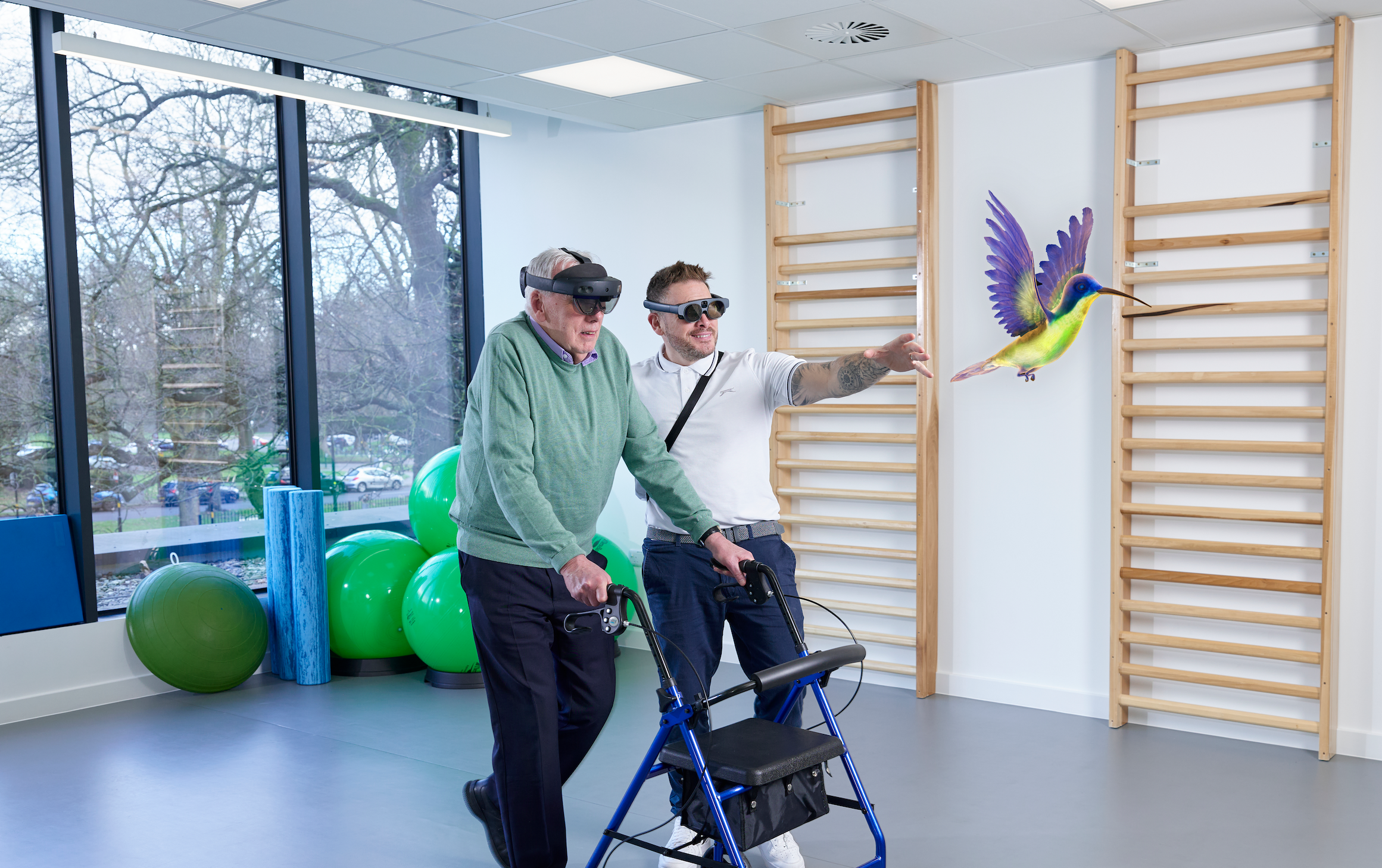
Digital software company Strolll has raised £10.35m to advance its augmented reality (AR) glasses for neuro-rehab to patients living with neurological disorders. Strolll's platform combines digital content with the real world through the use of off-the-shelf AR glasses that are aimed at helping people living with neurological disorders such as Parkinson’s disease, stroke, and multiple [...]

Neuro Rehab Times explores the latest research developments in the world of neurology. Microplastics in human brain tissue linked to dementia Researchers have found alarming new evidence about microplastic accumulation in human brain tissue, finding that the brain contains higher concentrations of plastic particles than other organs, with elevated levels in dementia patients Specifically, the [...]

New details about the cellular pathway that triggers inflammation and aging and is linked to Alzheimer’s disease have been discovered; while scientists have also found a way of returning cells to a healthy state, opening up new possibilities in drug development. The results of a decade-long study into a protein known as ATP-binding cassette transporter [...]
Using a single-cell sequencing technique, researchers have created the first cell atlas of focal cortical dysplasia (FCD) - a malformation of the cerebral cortex that leads to drug-resistant epilepsy - paving the way for the development of new specific treatments for this type of dysplasia. Cases of FCD are most common in children and adolescents, [...]

Advanced neuroimaging tech is being used to investigate why some children recover from head injuries more easily than others. The first participants have been recruited to a study investigating the impact of head injuries on 11 to 18-year-olds. The latest neuroimaging techniques will be used to explore why some children have worse outcomes than others [...]


