



Research

Drinking coffee alone or in combination with tea have also been shown to lower the risk of post-stroke dementia
High blood pressure is the worlds leading cause of premature death, with an estimated one billion individuals having high blood pressure. In 2015, high blood pressure accounted for near ten million deaths, of which 3.5 million were due to stroke. Nocturnal blood pressure has already been proven to better predict cardiovascular outcomes than daytime blood [...]
The PACIFIC Stroke trial analysed the efficacy, safety and optimal dosage of asundexian for stroke prevention
The researchers investigated the association between the baseline sleep score and changes over time in the sleep score

A new study suggests that by cutting a slim 1 gram of salt from daily intake could ward off an estimated 9 million cases of strokes and heart disease. They also believe this could help to save 4 million lives by 2030. Currently, China has one of the highest salt intakes in the world, with [...]
Vigorous physical activity for at least 25 minutes a day was shown to lower the risk of stroke

A new study has highlighted the potential of combining sound and electrical stimulation as an approach to several neurological and chronic conditions. Research conducted by the University of Minnesota Twin Cities, found sound combined with electrical body stimulations activates the brain’s somatosensory or “tactile” cortex. The somatosensory cortex is located in the post central gyrus [...]

A new study has identified hobbies and activities which can reportedly help to slow down the onset of dementia. The research suggests that reading books or playing an instrument reduces dementia risk by 23 per cent, yoga and dancing have 17 per cent protective effect and joining a club or volunteering cuts chance by seven [...]
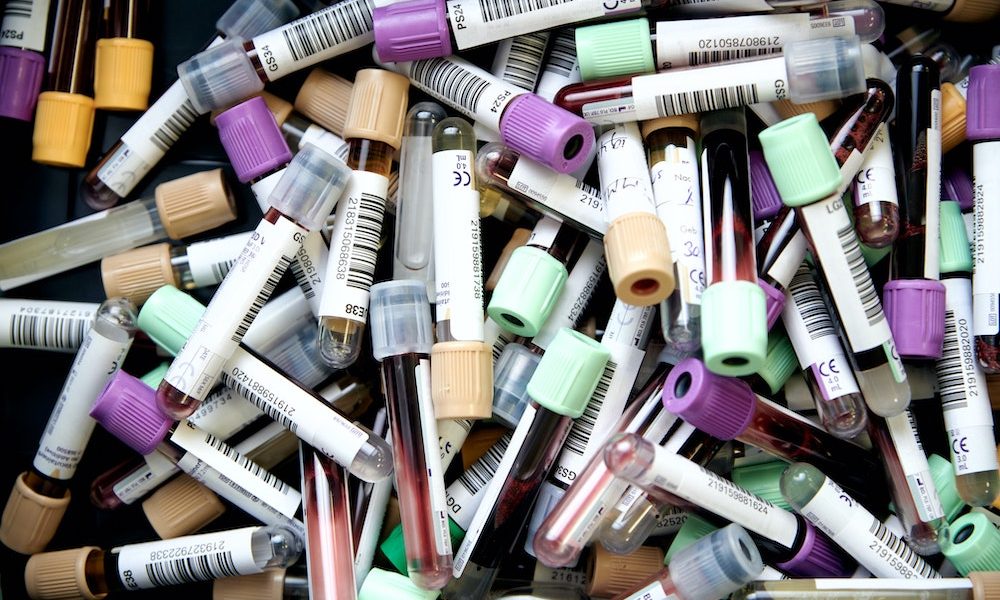
Patients with a traumatic brain injury (TBI) that is life threatening or likely to leave them severely disabled, could access faster treatment via the findings of a blood test, according to a new study. The study suggests that blood tests taken within the first 24 hours of the injury could confirm the need for prompt surgical interventions. [...]

New research could enable quicker diagnosis and enable greater treatment options


