



Research
New studies, trials and evidence in neurorehabilitation.
 Spinal injury3 Nov
A drug that promotes nerve growth in adult human brain cells could offer a new way to aid recovery after spinal cord injury. The compound, thiorphan, increased neurite outgrowth — the extensions that connect nerve cells — in adult human brain cells and improved hand function by 50 per cent in rats with spinal injuries. [...]
 Brain injury31 Oct
Military veterans who develop epilepsy after a traumatic brain injury may face a higher risk of death than those with epilepsy but no history of brain injury. The study analysed 210,182 veterans with epilepsy, including 28,832 who had sustained a traumatic brain injury (TBI) within five years before diagnosis. Researchers from Baylor College of Medicine [...]
 Research30 Oct
A portable saliva biosensor costing just US$2.19 can detect protein levels linked to depression, schizophrenia and bipolar disorder in under three minutes. The device measures brain-derived neurotrophic factor (BDNF), a protein vital for neuron health whose altered levels are associated with several psychiatric conditions. Developed by researchers at the University of São Paulo and Embrapa [...]
 Stroke30 Oct
Common viral infections such as flu, HIV, hepatitis C and shingles can increase the risk of stroke and heart disease, according to a large review of 155 studies. The meta-analysis found that people who caught flu were up to six times more likely to have a heart attack in the month after infection, while those [...]
 MND / ALS29 Oct
An international research team has identified a previously unknown genetic disease that affects movement and muscle control. The disease — called Mutation in NAMPT Axonopathy (MINA) syndrome — causes damage to motor neurons, the nerve cells that send signals from the brain and spinal cord to muscles. It’s the result of a rare genetic mutation [...]
 Stroke29 Oct
People with both gum disease and cavities face an 86 per cent higher risk of stroke compared with those with healthy mouths, a long-term study has found. The research, which tracked nearly 6,000 adults over 20 years, also linked poor oral health to a 36 per cent greater likelihood of heart attacks and other cardiovascular [...]
 Multiple sclerosis28 Oct
A biology teacher has become the first UK patient to receive CAR T-cell therapy for multiple sclerosis (MS) as part of a global clinical trial. Emily Henders, 37, received the treatment at University College London Hospital last week after being diagnosed with MS on Christmas Eve 2021. CAR T-cell therapy is tailored for each patient [...]
 Spinal injury28 Oct
ONWARD Medical has raised €50.85m to advance spinal cord stimulation technologies and expand commercialisation of its movement restoration systems. The funding comes from a private placement of 11.3 million new shares at €4.50 per share, extending the company’s cash runway through at least the end of 2026. The Netherlands-based neurotechnology company, which also operates a [...]
 Spinal injury27 Oct
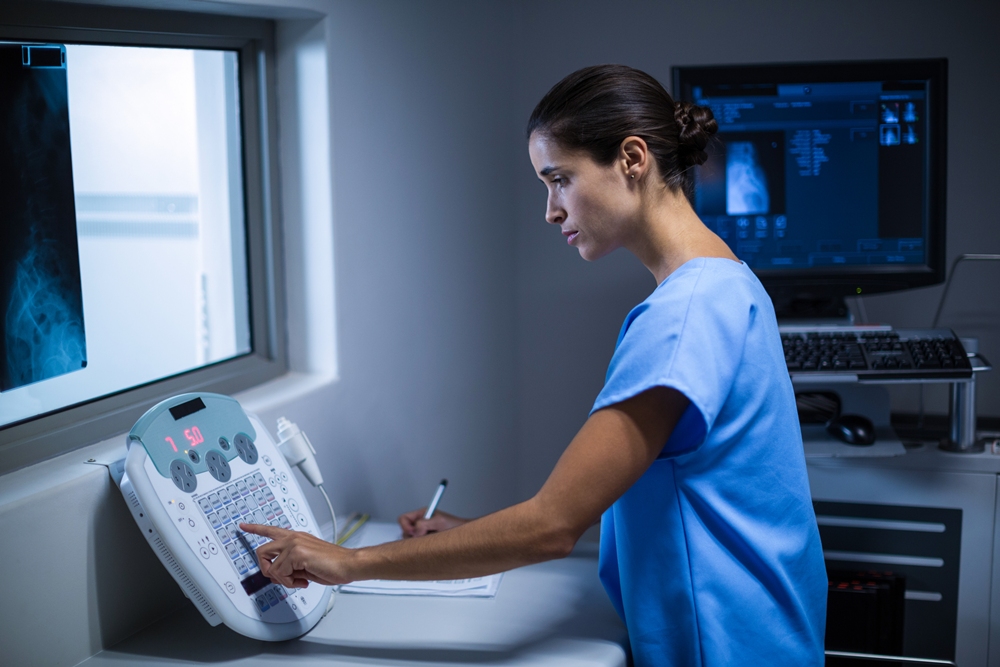
A US$3m grant has been awarded to develop a military-optimised ultrasound guidance system for spinal interventions in armed forces medical settings. The funding will support the creation of a portable device designed for epidural steroid injections at forward-deployed military hospitals, with development expected to take 36 months. Medical technology developer RIVANNA received the Peer-Reviewed Medical [...]
 Multiple sclerosis27 Oct
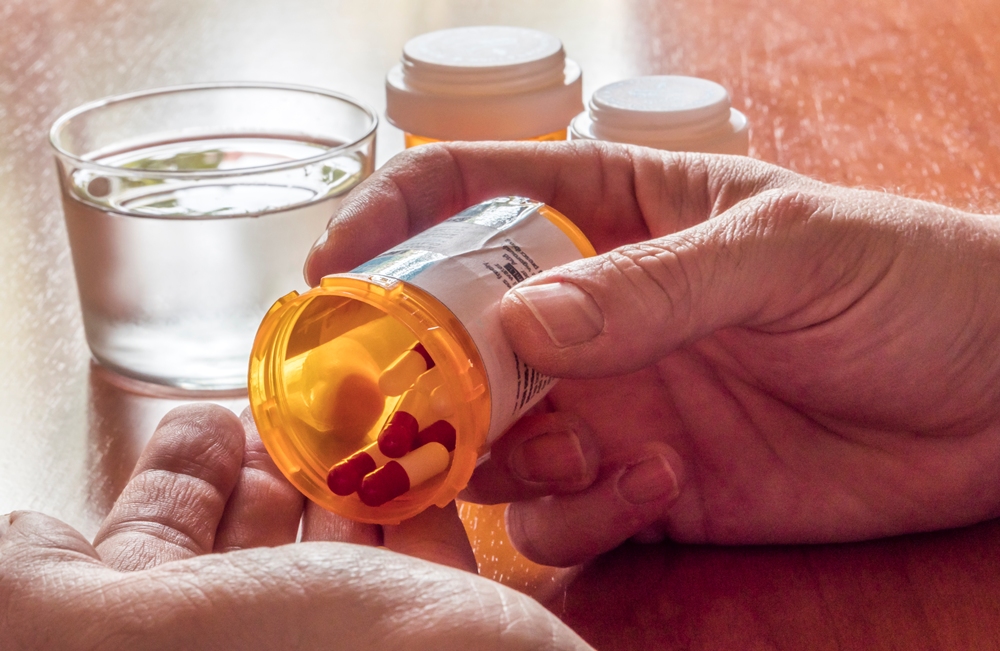
BioNxt has launched a 15-day dosing optimisation study for its sublingual multiple sclerosis (MS) drug, marking the final step before human bioequivalence testing planned for early 2026. The study represents the last preclinical stage for BNT23001, a thin-film formulation of cladribine designed to dissolve under the tongue for treating MS. Following successful small-animal trials confirming [...]


