



Stroke
Stroke care, recovery and rehabilitation.
 Stroke14 Oct
Risperidone raises stroke risk without exception in patients with dementia, according to researchers who analysed GP records. A study of 165,000 patients diagnosed with dementia after the age of 65 between 2004 and 2023 found stroke risk was increased even in those with no history of heart disease or stroke. Reporting their findings, researchers from [...]
 Stroke14 Oct
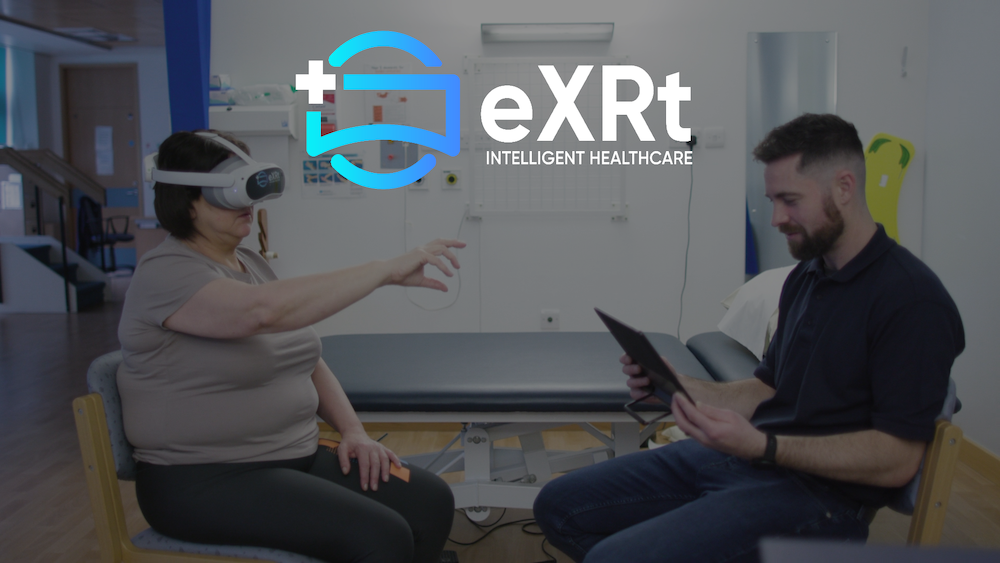
If you’re involved in stroke treatment—whether you’re an occupational therapist, physiotherapist, stroke consultant, or another healthcare professional—you already know the negative impact that stroke can have on patients, and the strain it places on our healthcare system in the NHS and globally. So there’s no need to explain the enormous challenge of meeting the new [...]
 Stroke1 Oct
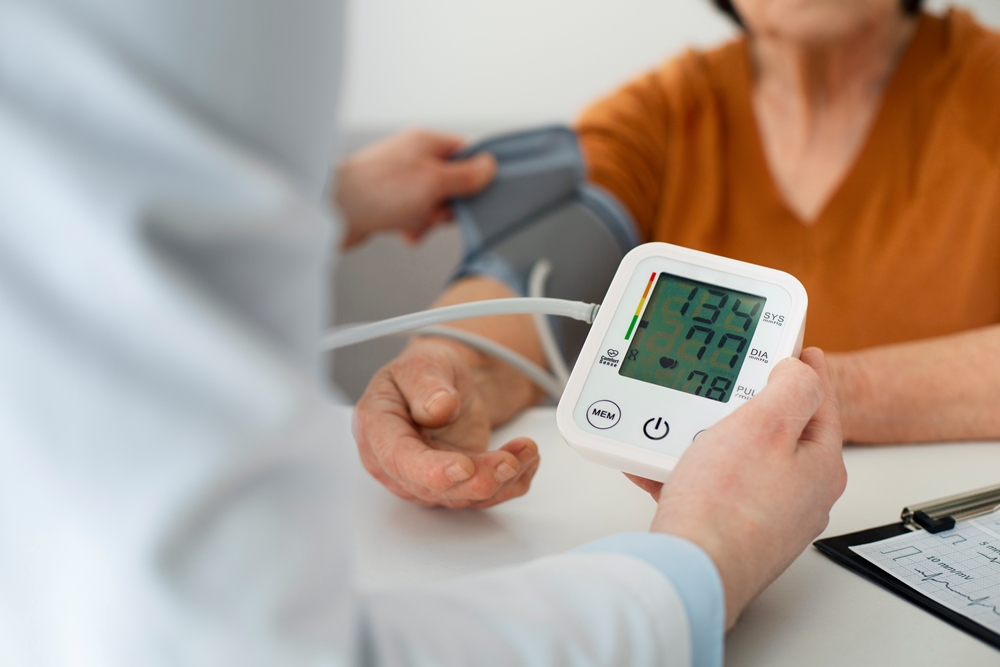
Warning signs like high blood pressure, elevated cholesterol or glucose levels precede almost all heart attack and stroke cases, according to a study challenging the belief that these strike without warning. Above-optimal levels of blood pressure, cholesterol, glucose or smoking almost always precede these cardiac events, say researchers from Yonsei University College in South Korea, [...]
 Stroke30 Sep
DMT, a psychoactive compound found in plants and the human brain, shows protective effects against stroke damage in new research using animal and cell models. The compound reduced infarct size, brain swelling and inflammation while repairing blood-brain barrier function, according to the study. Researchers found that dimethyltryptamine (DMT) worked through Sigma-1 receptors to limit microglial [...]
 Stroke29 Sep
Scotland will roll out ECG patch monitors to 8,000 stroke patients each year after £1.9m in government funding. The investment will expand access to ambulatory electrocardiogram (ECG) patch monitors for patients recovering from stroke, ministers confirmed. Government research suggests the monitors could prevent 689 secondary strokes and save 319 lives over five years. [...]
 Stroke25 Sep
Turkish doctors are using interventional neuroradiology to treat strokes, aneurysms and spinal disorders without surgery, helping patients recover faster. The minimally invasive methods use needles and catheters instead of surgical incisions, avoiding general anaesthesia and long hospital stays while treating conditions including herniated discs, spinal fractures, spinal tumours and brain aneurysms. Interventional neuroradiology – which [...]
 Brain injury24 Sep
Scientists have found that fibroblasts – healing cells usually active elsewhere in the body – also help repair brain injuries and could form the basis of new treatments. The cells move from protective membranes around the brain into damaged tissue, where they form scars and help manage immune responses during different stages of recovery. The [...]
 Brain injury23 Sep
The transformational power of music at Adderley Green At Adderley Green Neurological Centre, part of the Elysium Neurological division, the sound of recovery isn’t just metaphorical, it’s literal. Since 2017, Neurologic Music Therapy (NMT) has been helping patients reclaim their voices, regain movement, and reconnect with their identity after life-changing neurological injuries. Delivered by Chiltern [...]
 Stroke23 Sep
Former footballer Chris Kamara told an awards audience he is "through to the other side" of his brain injury, speaking at the National Diversity Awards. The 67-year-old broadcaster, diagnosed with speech apraxia in 2022, said the "kindness of people" had helped him in his recovery. Speech apraxia is a motor speech disorder that affects the [...]
 Stroke22 Sep
Stem cell injections turned into immature brain cells and improved movement in mice with stroke damage, suggesting the therapy could one day repair lasting brain injury. The transplanted cells survived for five weeks, developing into neurons – the brain’s communication cells – and forming links with existing brain tissue. They also reduced inflammation and strengthened [...]


