



Stroke

Brain stimulation technology from NRNRS is helping people with paralysis from brain injury regain movement

The risk of stroke among military personnel with TBI can be up to 69 per cent greater, new research suggests

A stroke survivor in the US is helping co-ordinate a study that could change how post-stroke care is delivered in the years ahead. Barry Jackson is Patient Co-Principle Investigator on the C3FIT study, which aims to determine whether home-based care could be as effective, or more effective, than outpatient care. Stroke is the fifth leading [...]

“I survived a stroke in 2008, so it’s been about 14 years,” American Marco Guzmán tells Stroke Rehab Times. “There have been times that it was really challenging. And other times it has been kind of a blessing, when I really think about it. “I was 27 years old. Like most people, I though strokes [...]

Regularly taking paracetamol containing sodium over a long period of time can also increase risk of heart attack and heart failure

More than 400 children are affected by stroke every year in the UK. The condition can have a devastating effect on families, few of whom are aware that their children are at risk until it happens. On a Friday morning, three years ago, then-10-year-old Joey Tildesley-Devine had just been dropped off at school by mum, [...]

Summit Medical and Scientific supplies innovative biomechanics systems and rehabilitation devices throughout the UK. Sara Brammall is the company's co-founder and managing director. She reveals how the state-of-the-art technology is helping to improve patient outcomes, support therapists and reduce strain on the NHS. How and why was Summit Medical and Scientific established? I co-founded Summit [...]

The natural mineral can also boost memory and learning in older brains, a new study reveals
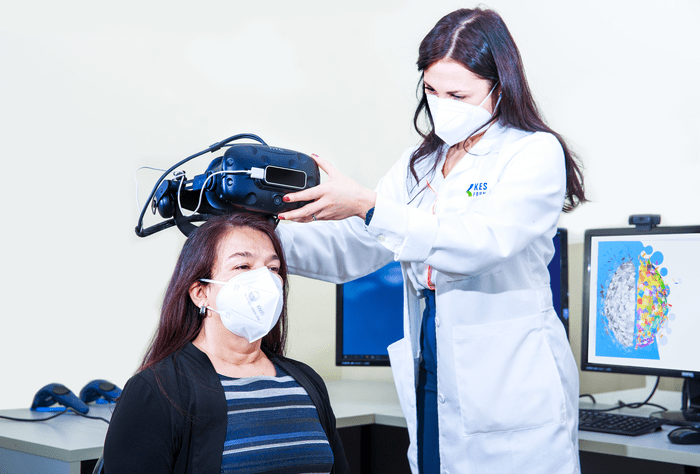
A new programme which uses a head-mounted display and hand-tracking technology is widening options in recovery post-stroke

Morrello is a Newport-based rehab clinic offering the very latest in rehabilitation techniques and technologies. Stroke Rehab Times checked in with Clinical Director Jakko Brouwers to find out more about how Morrello is helping stroke patients get back on their feet. How and why was Morrello established? We started Morrello in 2009 with the aim [...]


