


Tech & industry
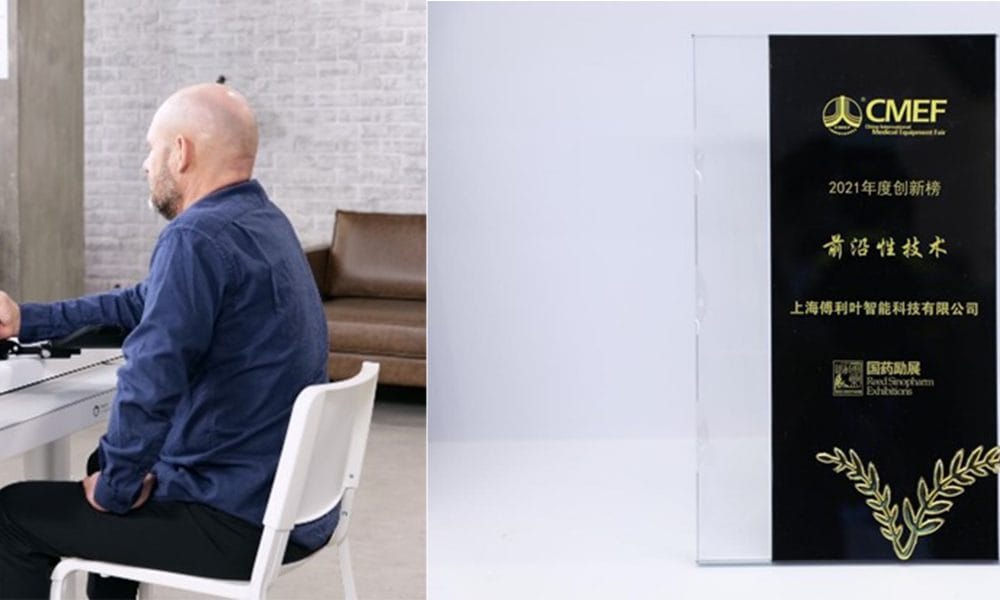
Global rehab tech business Fourier Intelligence has won a number of prestigious awards for its work in redefining rehabilitation possibilities across the world.
Fourier Intelligence has won the Top Leading Rehabilitation Technology Enterprise Award at the 84th China International Medical Equipment (CMEF) Spring Expo. Its newly-revamped ArmMotusTM M2 Pro device also received two coveted awards - Most Innovative Rehabilitation Robotic Award and the Outstanding Industrial Design Award at the annual medical equipment event.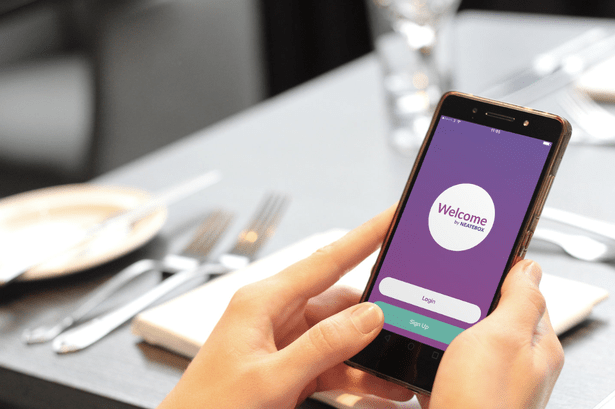
Technology developed to revolutionise the customer service experience for disabled people has secured a world-first through being introduced into a hospital environment.
The WelcoMe app has been adopted by NHS Golden Jubilee, a flagship hospital in Clydebank, Scotland, to support it in delivering more person-centred care for people with disabilities. Use of WelcoMe - devised by entrepreneur Gavin Neate to help businesses to give the best possible customer service to people with a range of disabilities and additional needs - will be rolled out to all outpatients of Scotland’s flagship hospital, as part of a six-month pilot programme, the first of its kind in the world in a hospital. Ahead of their visit, outpatients will be sent information on how to download and set up the app.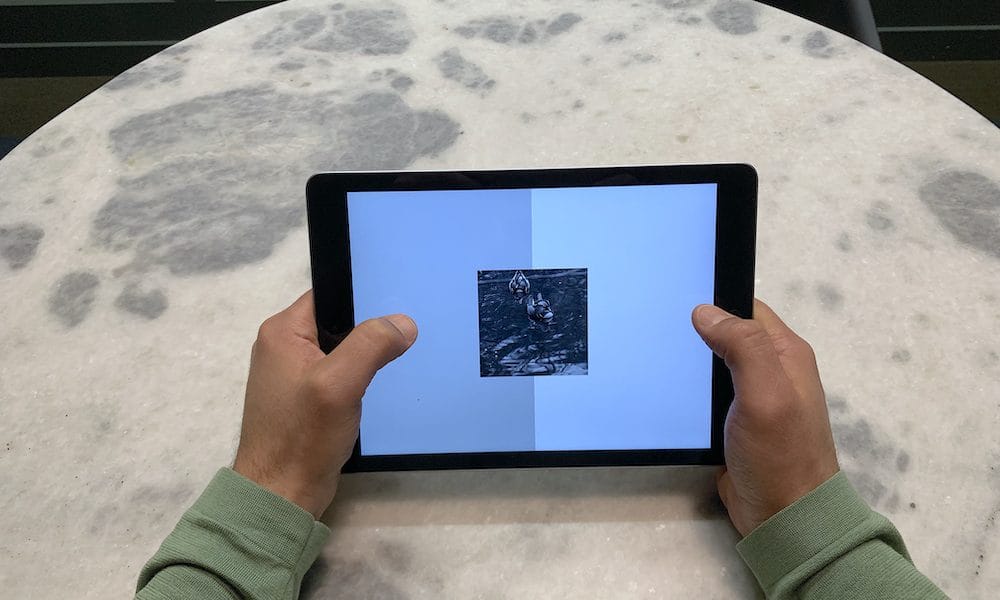
In the ongoing battle against dementia, pre-dementia symptoms can now be detected more quickly and cost-efficiently than ever before through the development of AI-led technology. NR Times speaks to Dr Sina Habibi, CEO of Cognetivity, about their groundbreaking work and how the pandemic has helped in the acceptance of remote-use technology
Through the development of pioneering AI-led technology has come the power to reinvent dementia detection. Following years of R&D, successful clinical trials and medical approval, Cognetivity Neurosciences is now being used in both primary and secondary care to find pre-dementia symptoms through a simple test in a quicker time and at a lower cost than ever before.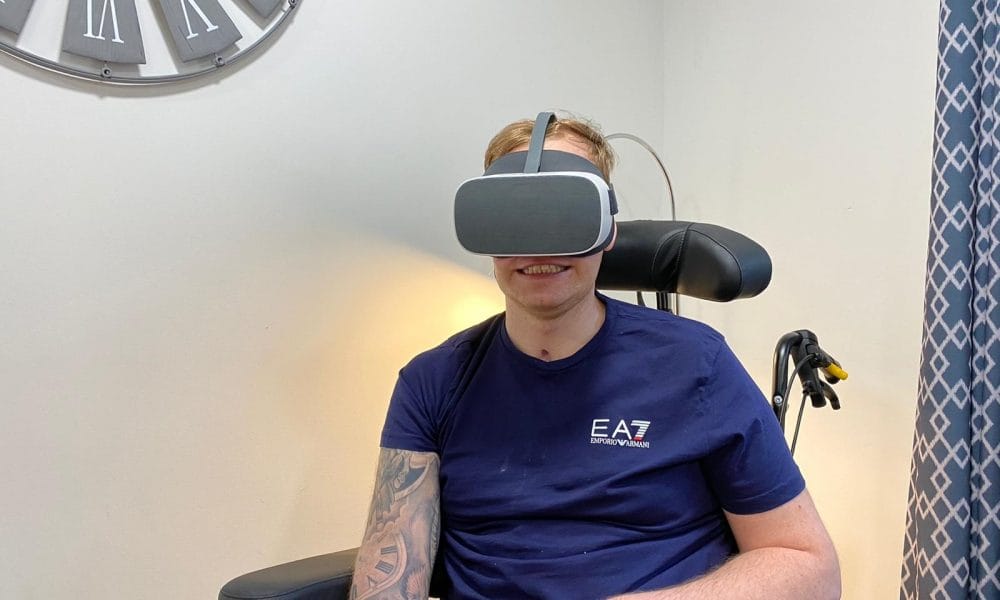
Having fun in the snow and touching the clouds are some of the ways that residents at Exemplar Health Care’s Ribble View care home are using virtual reality technology to relax during lockdown. The team at Ribble View, alongside experts from Rescape Innovation, have been using virtual reality (VR) technology, DR.VR, to support therapy sessions in the home in Preston. This is part of Exemplar Health Care's commitment to investing in the latest life-enriching technology to make every day better for their people.

Advanced neuroscience and digital therapeutics business MindMaze Healthcare has revealed its plans for ‘exponential growth’ through its commercial product portfolio and clinical pipeline.
The business is a key name in digital neurotheraputics solutions with its development of its game-based software products Rehab DTx, which supports neurorehabilitation, and Neuro DTx aimed at neurorestoration. Its serious digital therapeutics (DTx), a combination of neuroscience and AI-powered, immersive game-based activities, are improving clinical outcomes for patients with neurological conditions including stroke, TBI, mild cognitive impairment, Alzheimer's, Parkinson's and MS.
The first digital health intervention for families affected by ABI has been launched, with a view to national roll-out in the coming months.
CBIT In Hand has been created to provide immediate, tailored information via a mobile device to families of children and young people who have been affected by concussion and/or acquired brain injury (ABI). After three years of planning by the Child Brain Injury Trust, the app went live last week when it was launched at the CBIT virtual conference, and is being trialed in Alder Hey and Birmingham Children’s Hospital for the next three months. CBIT in Hand, which can be accessed by QR code or downloaded from App stores, is being targeted at A&E departments and major trauma units, to ensure families can find the digital information, resources and support they need instantly during the most difficult early stages of their loved one’s injury.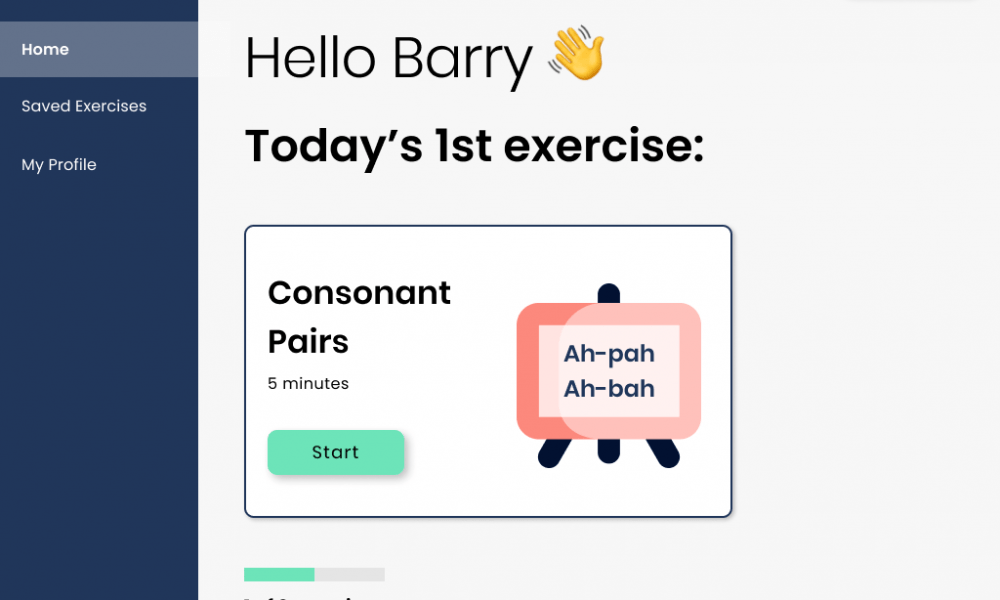
An app which uses AI to enable stroke survivors to rebuild their speech and language capability at home has been launched, inspired by the personal experience of its creator.
SpeechFirst supports survivors to build on their speech and language therapy provision through using AI to detect incorrect facial movements and pronunciation and provide real-time tips and recommendations to enable them to make progress. The app is the first British built creation to make use of AI in speech and language therapy, and with its launch is set to increase the rehab potential of thousands of survivors nationally. Its home-based approach enabling people to continue their rehabilitation remotely, while supervised by their therapist who can access the person’s SpeechFirst dashboard.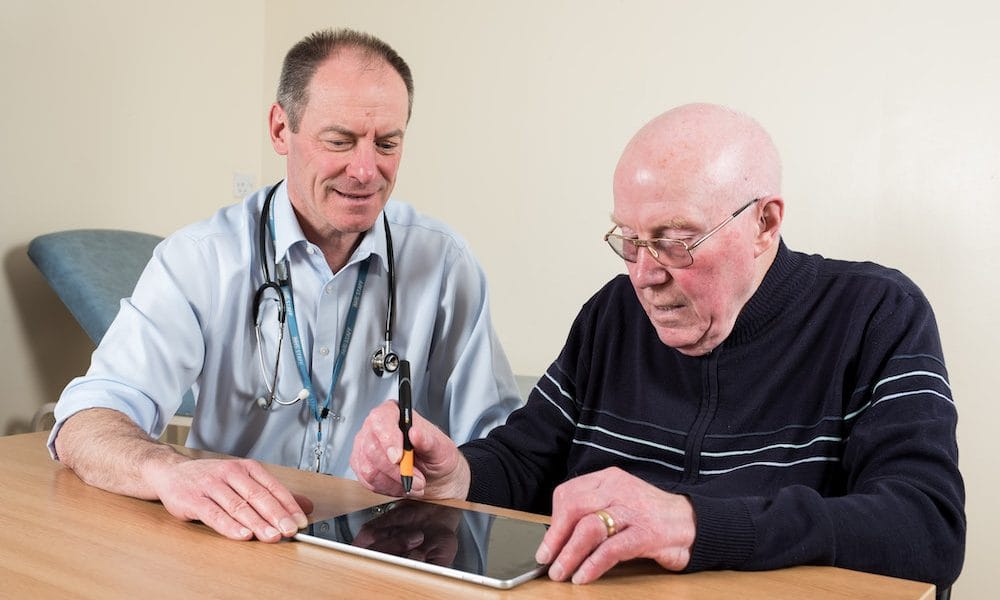
Innovate UK has allocated £600,000 towards the validation of a handheld device used to screen dementia and cognitive impairment.
The innovation agency has awarded grant funding to Manus Neurodynamica, which develops and markets products and technologies for neuromotor assessment. The funds will help to optimise and validate the NeuroMotor Pen (NMP) for screening of dementias and cognitive impairment, over a two-year project. Only around 68 per cent of over 65s, estimated to have dementia have been diagnosed.
A tech platform credited with revolutionising rehabilitation for the neuro sector goes live today as the first step in its national roll-out.
Neuro ProActive has been created to enable a fully multi-disciplinary approach to rehabilitation, covering both inpatient and community care and involving patients and their families in the process. The app - which supports the spectrum of neurological conditions, from brain injury to stroke, dementia and Long COVID - enables greater cohesion between therapists through its end-to-end message and video calling encryption, which allows remote services and patient monitoring to be done via one single platform.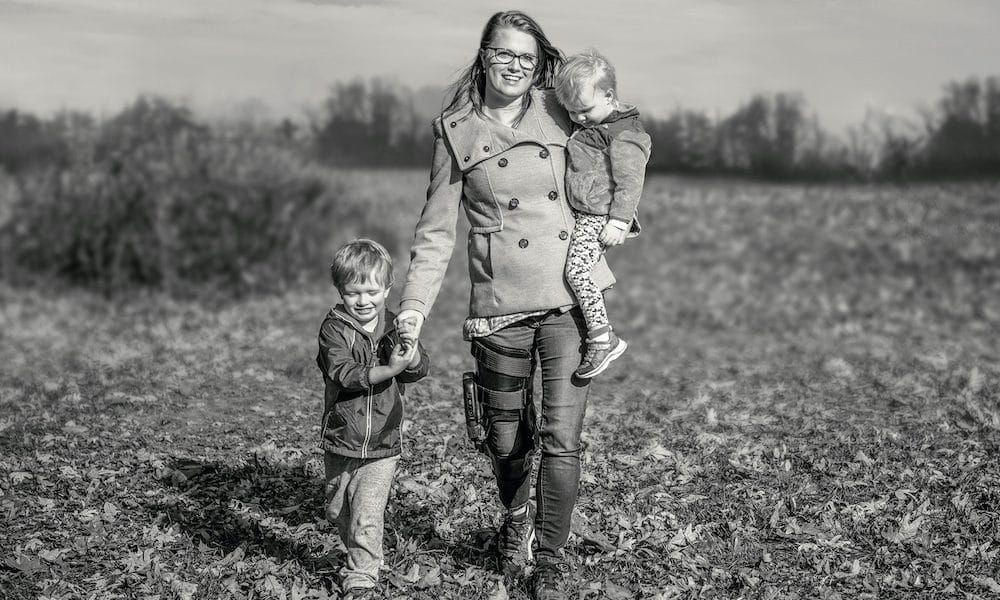
The C-Brace is big news in the progression of Orthotic treatment for neurological conditions. The integration of microprocessor technology into a carbon fibre Knee Ankle Foot Orthosis (KAFO’s) opens up a whole new world of possibilities and mobility for patients dependent on full leg support to stand and walk.
As standard, KAFO users are supplied with locked knee KAFOs. This is where the knee is locked in a straight position throughout their gait cycle, but manually unlocked to allow the user to sit down with their knee flexed. The use of a locked KAFO brings about stability of the knee for users with reduced lower leg muscles strength, when walking on level ground.


