


Tech & industry

While exoskeletons have been in existence for several years, it is only more recently the star as a rehab tool is rising. Usage among people with severe injuries has increased significantly, and the benefits they can bring to their lives are becoming more widely recognised.
The year ahead is seen as a potentially very significant period in the further development of the exoskeleton, with increasingly high-technology versions being developed, alongside those made for a home environment, rather than a traditional clinical setting.
Many sceptics still point to cost as being a prohibitive factor in the more mainstream use of exoskeletons, but ongoing medical trials are generating new levels of interest and attracting funding to aid

One in six people will have a stroke in their lifetime, according to Public Health England, while two thirds of stroke survivors leave hospital with a disability. The road to recovering lost or damaged functions can be long and arduous; and is likely to involve a cast of healthcare professionals in a range of settings. Optimising outcomes against the many complexities of post-stroke rehab – plus resource pressures and the disparate nature of some services – is a major UK healthcare challenge.

When Mollii Suit appeared on Sweden’s Dragons’ Den, all five investors were in. The deal clincher that day was young Joanna, a little girl with cerebral palsy who provided a powerful example of what the suit can do. She shook hands with the dragons before and after the product’s mild electro-stimulation had been applied; the remarkable change in her mobility wowed the entrepreneurs into opening their cheque books.

Remote controlled internal sensory lighting helps to generate a “360-degree immersive environment”; a catalyst for imaginative play, learning, relaxation and sensory stimulation. Each PODS product can be inflated and deflated within 40 seconds, is lightweight and comes with a storage backpack, enabling it to be taken anywhere. It is therefore the perfect travel companion for on-the- road carers for domiciliary care – but PODS are also used around the world in specialist schools, hospitals, creches, respite centres and hotels, as well as in the home.
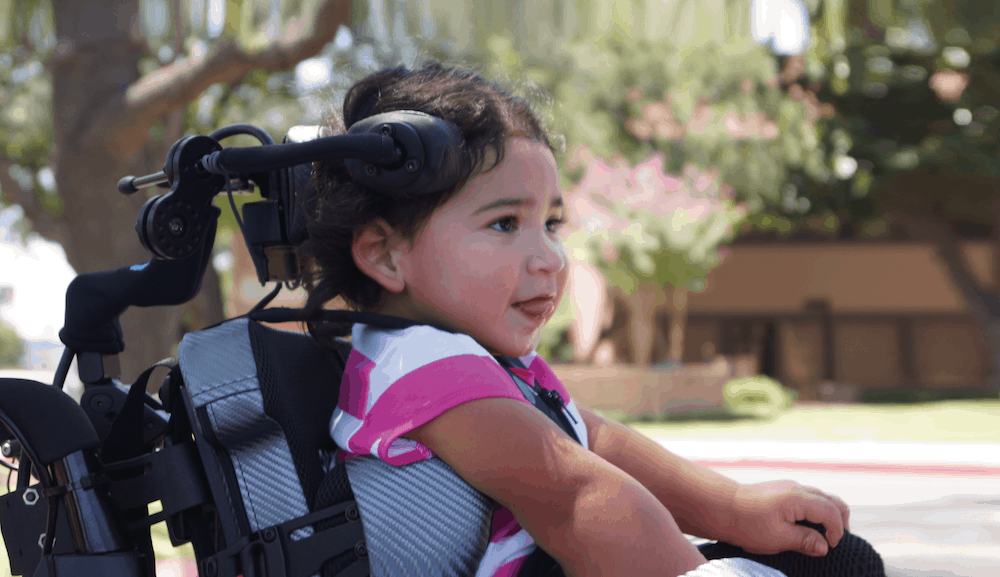
For a child with motor disabilities, taking control of their first or latest powerchair can be a major milestone in their young life. It’s a challenging process and, often, a fearful one too – for parents as well as the child. Various healthcare professionals, and technology provider representatives, may be involved in preparing the chair and its control system. The child then has a limited time to try it out before they and their family make decisions which can have a huge bearing on their future quality of life and independence.
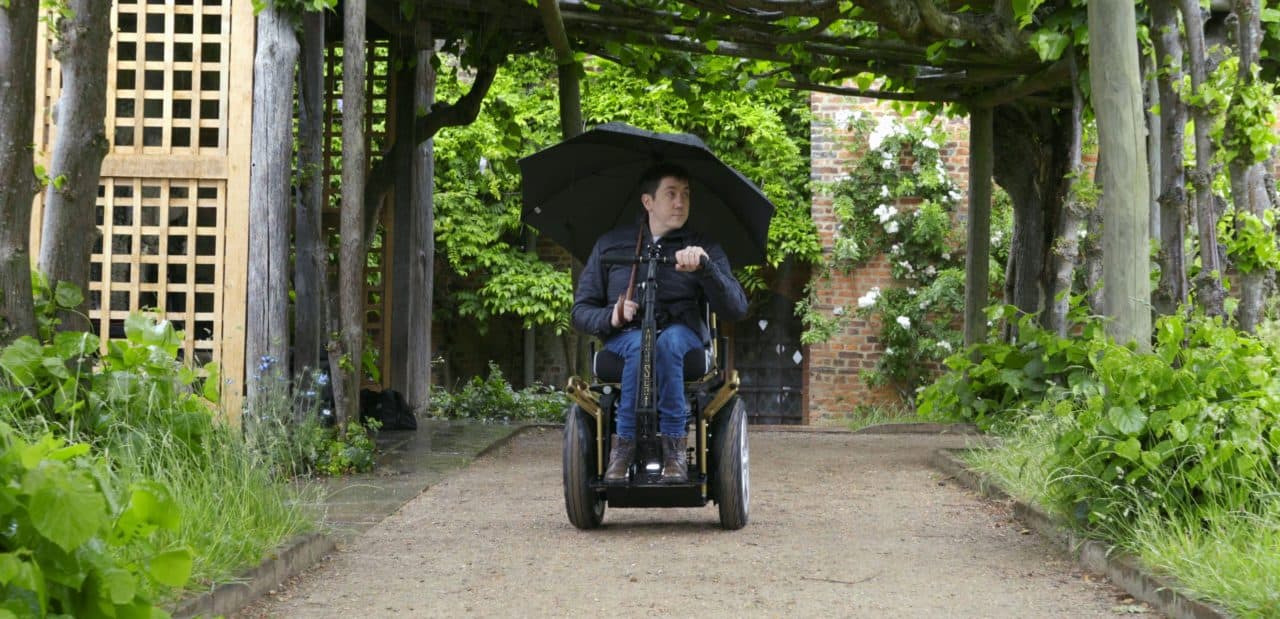
At Hatfield House, in the Hertfordshire countryside on a typically wet English summer day, actor David Proud is taking a pretty special set of wheels out for a spin. The former EastEnders star has the condition spina bifida and has always used a wheelchair to get around. He was, therefore, an ideal candidate to test drive a unique innovation in mobility technology. AddSeat has been created to allow wheelchair users the freedom to reach places they previously wouldn’t have been able to.
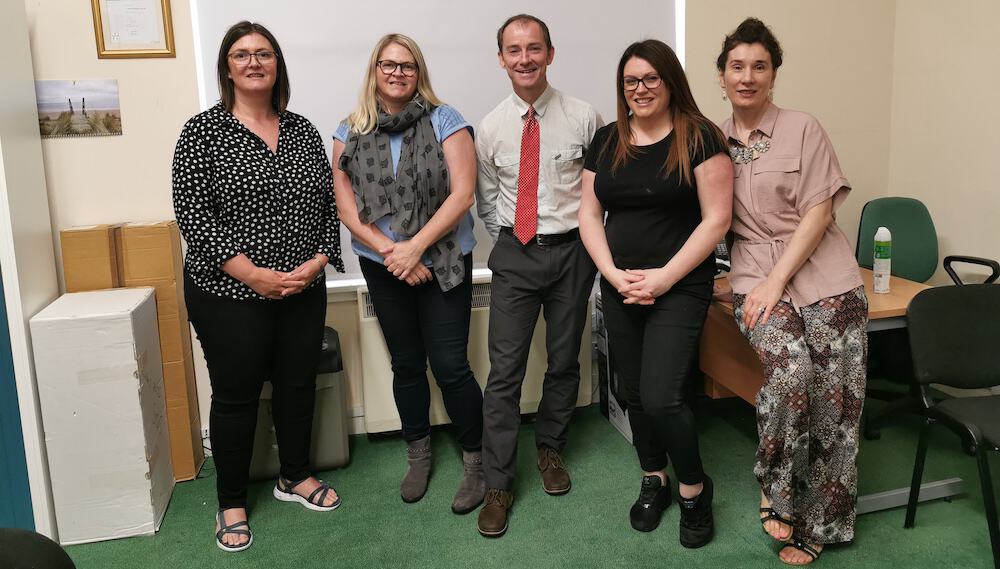
The platform, which enables home care providers to more efficiently manage and support their staff and oversee appointments, has gained its 1,000th customer. CarePlanner is a complete staff rostering and management system for domiciliary care providers, including those who support people with complex disabilities caused by brain and spinal injuries and neurological conditions. Users are able to realise significant efficiency savings on a wide range of tasks such as communicating with staff, monitoring mileage costs and booking appointments.

Greater independence and several proven health benefits have contributed to growing global interest in stand-up wheelchairs, says C.Y. Cheung, founder of Wheelchair88. His Malaysia-based firm produces four stand-up wheelchair models, which are sold internationally and are becoming increasingly popular. Part of their appeal is the practical differences they can make to an individual’s life. Using gym equipment, withdrawing from cash machines and reaching for high shelves in supermarkets are some of the weekly tasks made possible by being raised from a seating to a standing position.

Every year in the US, there are an estimated 1.7 to three million sports and recreation-related concussions, 300,000 of which are American football-related, according the UPMC sports medicine concussion programme. More startling is that according to this data, five out of 10 concussions go unreported or undetected. Many college and professional teams have standardised tests in place, performing baseline tests at the start of the season and implementing others during practice and game situations.
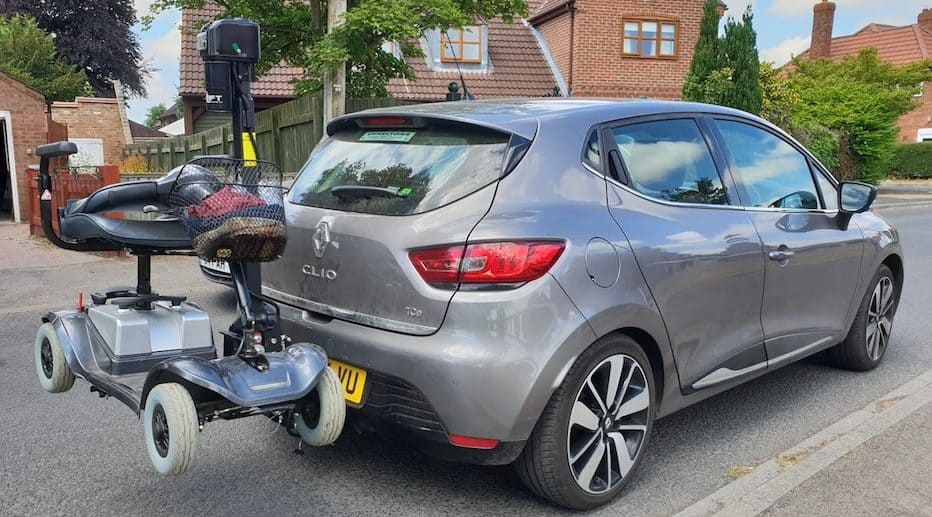
Over 350,000 people in the UK rely on mobility scooters and powerchairs every day. These devices should be a fast-track to freedom, independence and the vital journeys of daily life. Yet this is not always the case, with several challenges hindering their usage. Firstly, as scooters/powerchairs operate on rechargeable batteries, travelling distance is limited. Users going further afield may have to disassemble the device, load it into the back of their vehicle, drive to the destination and then unload it. Some scooters and powerchairs can’t be disassembled, meanwhile. In this case, a vehicle able to accommodate their height and a ramp or hoist to access the vehicle are needed.


