



Therapy
Therapies that support recovery after neurological injury and illness.
 Therapy9 Jan
Researchers have discovered intricate molecular mechanisms driving the RNA processing defects that lead to Huntington’s disease (HD) - findings which may pave the way for new treatments. The findings have also linked Huntington’s disease with other neurodegenerative disorders such as amyotrophic lateral sclerosis, frontotemporal lobar dementia and Alzheimer’s disease. The findings may pave the way [...]
 Therapy8 Jan
Targeting a protein called endocan and its related signalling pathway could be a promising new approach for treating glioblastoma, an aggressive and lethal type of brain cancer. Endocan, which is produced by endothelial cells lining blood vessels in the tumour, activates PDGFRA, a receptor on glioblastoma cells that drives tumour growth and makes the cancer [...]
 Therapy7 Jan
Two genes associated with variants linked to epilepsy have been uncovered which showed specific traits that make them promising diagnostic biomarkers. Data from 1,386 human brain tissues for somatic variants in the genes of individuals undergoing epilepsy surgery was analysed by a team of researchers. Somatic variants are DNA changes that occur after conception and [...]
 Research18 Oct
New era of collaboration between brain, blood and immune experts could shape neurological treatments
The future of neurological disease treatment could be shaped by a new "brain-blood-immune" interface which brings together immunologists, neuroscientists, haematologists, geneticists, computer scientists, physicists, bioengineers, drug developers, and clinical researchers. That is according to an expert commentary report published in the journal Cell, which seeks to address the fact that the cause of complex neurological [...]
 Therapy11 Oct
Everyone snores occasionally, but for some, snoring can indicate a more serious issue: sleep disordered breathing. This refers to a range of sleep-related respiratory conditions that include obstructive sleep apnoea, which is estimated to affect a billion people worldwide. One common treatment is positive airway pressure (PAP) therapy, which involves sleeping patients wearing a mask [...]
 Research11 Oct
Gene therapy has emerged as a potential long-term treatment for CALD, a devastating, rare brain disease which causes loss of neurological function and ultimately an early death in children. CALD (cerebral adrenoleukodystrophy) is a progressive, genetic brain disease that primarily presents in young boys. Researchers have found that six years after treatment with the first [...]
 Brain injury4 Oct
A new noninvasive method which harnesses light to activate neurons in the brain could have implications for the treatment of neurological conditions, scientists say. The ability to regulate brain activation could transform invasive procedures such as deep brain stimulation that are used to treat Parkinson’s disease and other neurological conditions. This new technique - which [...]
 Therapy3 Sep
A small study shows that adaptive deep brain stimulation is better than the standard version at controlling movement symptoms day and night for people with Parkinson’s. Researchers explored whether adaptive deep brain stimulation (DBS) could improve movement symptoms for four people living with Parkinson’s when compared to standard DBS. Results show that adaptive DBS can [...]
 Stroke20 Jun
Aphasia is a condition that affects a quarter of stroke survivors. It impairs communication abilities, including speaking, listening, reading, and writing. Aphasia can have a profound impact on social relationships, employment, and overall quality of life. In current UK practice, 90% of speech and language therapists acknowledge the importance of discourse assessment and treatment. However, [...]
 Therapy21 May
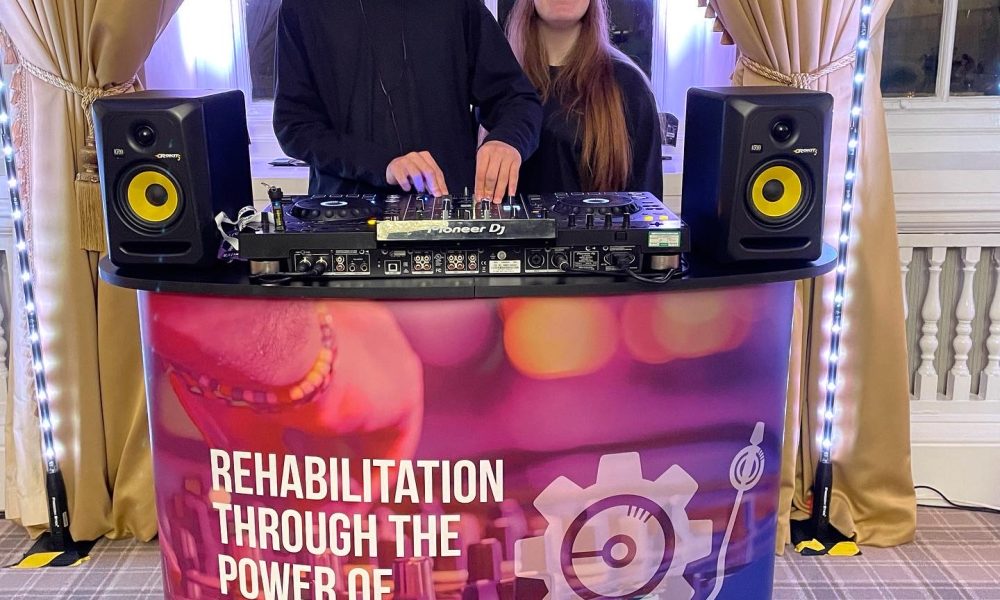
Music rehabilitation is being increasingly promoted as a therapy due to its wide-reaching beneficial effects (DEL0340, 2020). Not only does it provide an outlet for expression, but it also links to physical and emotional outcomes, demonstrating its multi-faceted nature (Grau-Sánchez et al., 2022). This article explores both of these domains, investigating the link of motion [...]


