



Therapy
Therapies that support recovery after neurological injury and illness.
 Stroke5 Jun
A new glove-based system that uses functional electrical stimulation (FES) to activate individual fingers could offer a more effective way to support hand rehabilitation in people recovering from stroke or spinal cord injuries. The FESGlove delivers targeted electrical stimulation to specific hand muscles and nerves, offering greater selectivity than many current systems, which often cause [...]
 Spinal injury4 Jun
Occupational therapist and founder of COTA Case Management, Lauren McCluskey, speaks to NR Times to discuss her journey from the NHS to specialising in amputations, emphasising the importance of collaboration between care teams. Established in 2019, COTA (Complex Orthopaedic Trauma and Amputations) Case Management is based in Lancashire, and helps to support people's immediate needs assessments, [...]
 Brain injury4 Jun
A programme that connects brain injury survivors with technology developers has led to design changes in at least nine research projects, according to new findings. The initiative involves one-hour virtual sessions where innovators, including small-medium enterprises and clinicians, present their research plans to selected groups of patients with relevant expertise. More than 20 sessions have [...]
 Dementia29 May
A common sleep aid restores healthier sleep patterns and protects mice from the brain damage seen in neurodegenerative disorders, such as Alzheimer’s disease, according to new research. The drug, lemborexant, prevents the harmful buildup of an abnormal form of a protein called tau in the brain, reducing the inflammatory brain damage tau is known to [...]
 Research27 May
Researchers have captured a first-of-its-kind video of dynein-Lis1 protein interaction, supporting future drug development for neurological disorders. Our cells rely on microscopic highways and specialised protein vehicles to move everything - from positioning organelles to carting protein instructions to disposing of cellular garbage. These highways (called microtubules) and vehicles (called motor proteins) are indispensable to cellular [...]
 MND / ALS27 May
During REM sleep, the body enters a state of paralysis. This can pose a danger for patients with weakened diaphragms due to neuromuscular diseases. Now new research published at the ATS 2025 International Conference has shown that antidepressants that suppress REM sleep are associated with improved survival in people with amyotrophic lateral sclerosis (ALS). The [...]
 Spinal injury27 May
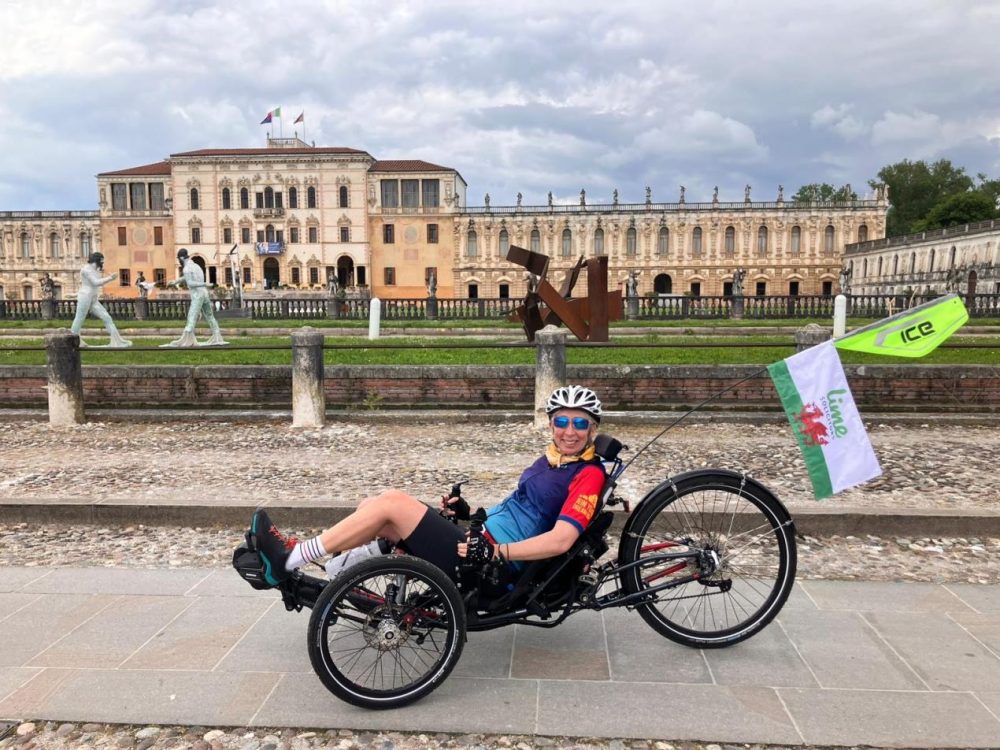
In 2014, Amanda Harris from Meisgyn was paralysed from the chest down after a cycling accident resulted in a spinal cord injury. Eleven years after her accident, and with the use of only one fully functioning leg, she has cycled approximately 300km over three days through Northern Italy in aid of Spinal Injuries Association. While [...]
 Spinal injury23 May
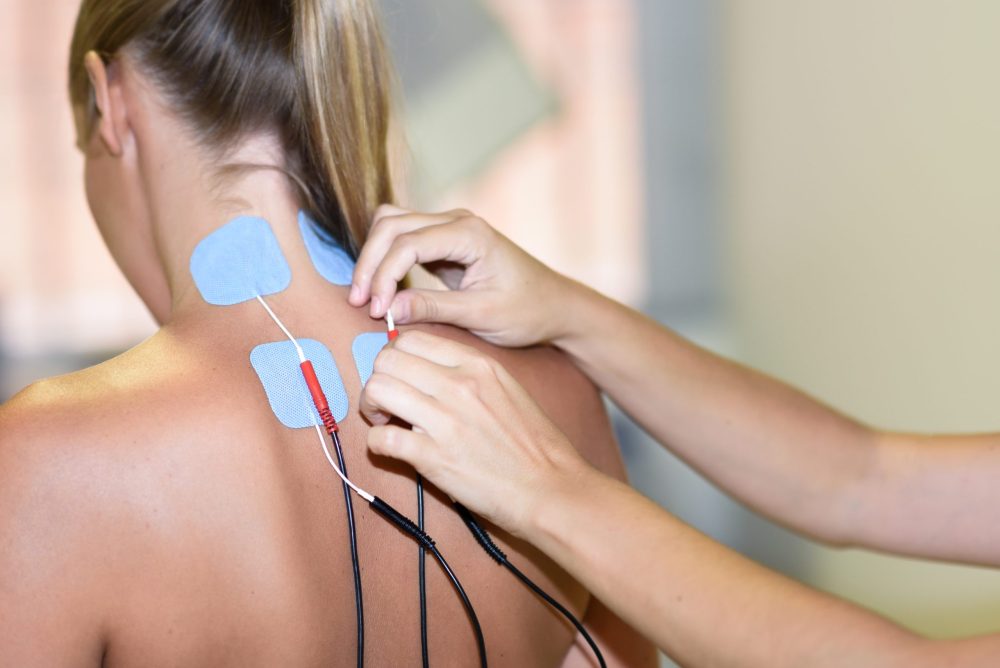
In a new clinical study, researchers have demonstrated unprecedented rates of recovery for spinal cord injuries in patients with upper-limb impairment using an approach called closed-loop vagus nerve stimulation (CLV). In the study, individuals with incomplete spinal cord injury safely received a combination of stimulation of a nerve in the neck - the vagus nerve [...]
 Brain injury23 May
When a neuron in our body gets damaged, segments of RNA produce proteins that can help repair the injury. But in neurological disorders such as ALS and spinal muscular atrophy, or following spinal cord injuries, the mechanisms for moving life-essential RNA to injured sites within the cell fail. As a result, RNA molecules can’t get [...]
 Brain injury22 May
After more than half a century, assessment of traumatic brain injuries is getting an overhaul. A new framework has been proposed that clinicians say will lead to more accurate diagnoses and treatment, providing more rigorous care for some patients and preventing premature discussions about halting life support in others. Trauma centres in the US will begin [...]


