



Therapy
Therapies that support recovery after neurological injury and illness.
 Tech & industry8 Jul
Active Care Group, a UK based provider of complex care, has launched a new division - Active Neuro, offering transformative rehabilitation through technology-enhanced clinical pathways for adults within the UK with neurological conditions resulting from injury, illness or disease. The complex care provider has invested in the latest rehabilitation technology at their existing neurological services, [...]
 Brain injury2 Jul
An experimental drug has shown early promise in treating brain injuries caused by repeated blast exposure, a common issue among military personnel. Pre-clinical research found the drug reduced harmful brain proteins linked to long-term cognitive decline and showed potential to ease brain inflammation in animal models. Mild traumatic brain injury (mTBI) related to military service [...]
 Brain injury20 Jun
Writing letters to loved ones as they were before their brain injury may help families understand and cope with the complex grief that often follows, researchers have found. A pilot study explored how a structured writing exercise could support families dealing with “ambiguous grief” – a form of grief experienced when someone is physically present [...]
 Spinal injury20 Jun
Personalised electrical stimulation may improve movement recovery in people with spinal cord injuries, early findings suggest. A study involving five participants found that adjusting the location, strength and type of stimulation produced stronger muscle responses than standard, uniform approaches. The research, from Thomas Jefferson University’s Raphael Center for Neurorestoration, investigated transcutaneous spinal cord stimulation (tSCS). [...]
 Research16 Jun
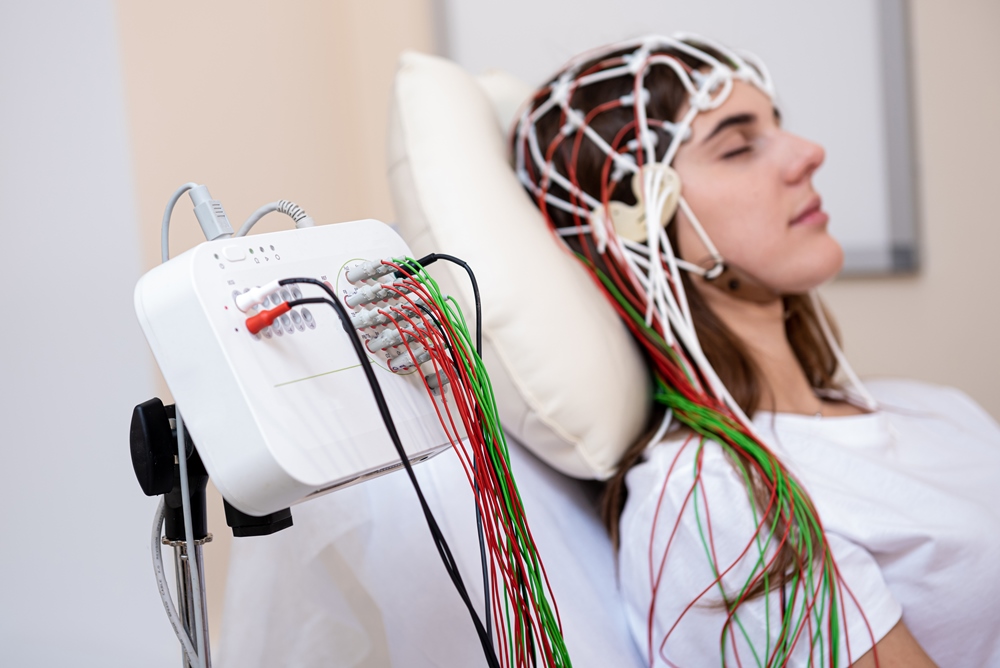
People with severe depression who received electroconvulsive therapy (ECT) were 34 per cent less likely to die by suicide than those treated with standard alternatives such as antidepressant medication, a major international review has found. The meta-analysis – which combines and analyses data from multiple earlier studies – also showed a 30 per cent reduction [...]
 Stroke16 Jun
A class of drugs currently used to treat cancer may also help stroke patients recover by protecting neurons and limiting damage following a stroke. Known as HDACi (histone deacetylase inhibitors), these drugs work by altering gene expression in microglia – the brain’s immune cells – following stroke. Instead of driving damaging inflammation, HDACi appear to [...]
 Spinal injury13 Jun
A new therapy combining electrical nerve stimulation with physical rehabilitation has led to significant improvements in arm and hand function for people with spinal cord injuries. The treatment, known as closed-loop vagus nerve stimulation (CLV), uses a small device implanted in the neck that delivers electrical pulses to the brain during targeted rehabilitation exercises. Researchers [...]
 Community neuro rehab12 Jun
New funding has been secured by a charity which works with people with Cerebral Palsy in Scotland, to help sustain and develop its specialist support service. Cerebral Palsy Scotland works with children, adults and whole families across the country to help them build skills, knowledge, confidence and relationships, enabling them to overcome barriers that may [...]
 Stroke9 Jun
Stroke survivors and budding singers from across Northern Ireland raised their voice in a pop-up choir on 4th June to raise funds for the Stroke Association. Around 70 people came together in the Oh Yeah Centre in Belfast to learn and record a song in just 90 minutes as part of the Stroke Association’s new [...]
 Parkinson's6 Jun
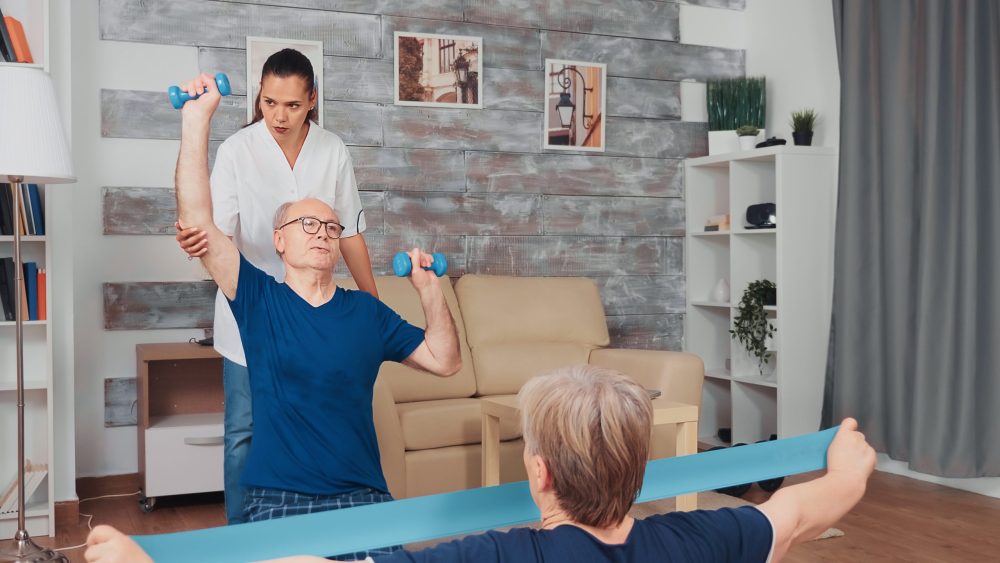
A new pilot scheme offering grants of up to £3,000 will help more marginalised communities across the UK deliver physical activity sessions for people living with Parkinson’s. The Parkinson's UK pilot focuses on groups and areas where people with Parkinson’s are underrepresented in exercise and physical activity provision. The initiative will run alongside the charity’s [...]


