



Therapy
Therapies that support recovery after neurological injury and illness.
 Brain injury12 Aug
The benefits of nature are well documented. The simple act of going outside and experiencing nature can have profound positive effects on physical and mental well-being. Spending time outdoors has been shown to improve mood, reduce stress, and enhance overall health. However, these opportunities are often not prioritised for people with complex physical and psychological [...]
 Parkinson's5 Aug
Until now there has been no reliable mechanism for people with Parkinson’s to find a personal trainer with the relevant skills and knowledge to work effectively with people with the condition. With exercise still the only disease-modifying therapy for Parkinson's, the support offered by a personal trainer can be life changing if you have the [...]
 Stroke4 Aug
A new drug has cut brain damage by 60 per cent in mice when blood flow is restored after stroke, offering a potential way to improve recovery outcomes. Researchers at the University of Cambridge tested an experimental treatment, acidified disodium malonate (aDSM), in combination with mechanical thrombectomy – a procedure that removes clots from the [...]
 Parkinson's4 Aug
Regular cycling may reshape brain activity in people with Parkinson’s disease, according to a pilot study that tracked neural changes using implanted brain stimulation devices. Researchers monitored participants with Parkinson’s before and after 12 dynamic cycling sessions over four weeks, using deep brain stimulation (DBS) implants to record signals from the subthalamic nucleus – a [...]
 Case management31 Jul
By SweetTree Home Care Services When a loved one suffers a brain injury, finding the right care and support becomes a top priority. Brain injuries can have long-lasting effects on an individual’s physical, cognitive, and emotional well-being. Finding specialised care tailored to their unique needs is unavoidable in such complex cases. Let’s look at the [...]
 Neuropsychology31 Jul
By Chiltern Music Therapy for Neuro Rehab Times Harnessing the Power of Music for Neurological Development Recent research continues to affirm the impact music can have on supporting neurological development in children with complex needs such as autism spectrum disorder (ASD), cerebral palsy and Down syndrome. Music uniquely stimulates neuroplasticity, the brain’s innate ability to [...]
 Neuropsychology15 Jul
By The London Neurocognitive Clinic In the journey of recovery from neurological conditions, the goal is rarely just survival; it’s rather the restoration of autonomy, dignity, and quality of life. Neurorehabilitation plays a central role in this process, offering individuals the support and strategies they need to reclaim control over their lives following brain injury, [...]
 Brain injury14 Jul
Natalie MacKenzie is director of cognitive rehabilitation specialists, BIS Services. Newly appointed as chair of the International Society for Cognitive Rehabilitation (iSCR) board, Natalie lays out her short and longer term goals for the society, from increasing awareness of cognitive rehabilitation to improving global collaboration. As newly appointed chair of The International Society for Cognitive [...]
 Brain injury10 Jul
A new study suggests a drug could support the brain’s own repair systems after traumatic injury, potentially addressing a major treatment gap. The compound, known as CMX-2043, appears to increase levels of antioxidant enzymes – proteins that help clear harmful molecules from the brain following trauma. There are currently no FDA-approved drugs that directly repair [...]
 Brain injury10 Jul
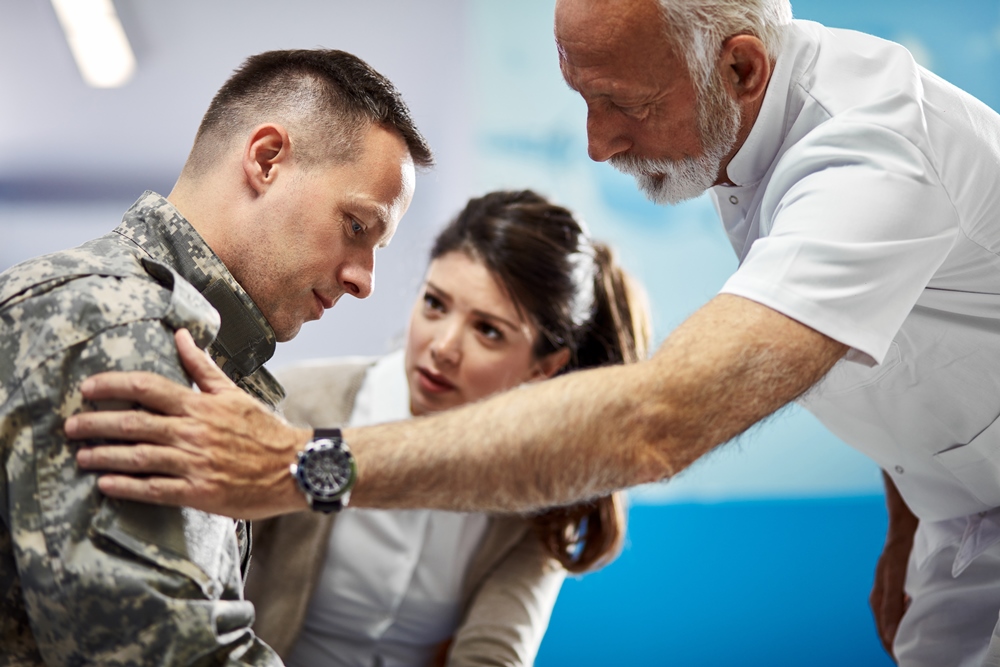
A brain training programme has been shown to deliver cognitive improvements for military personnel with mild traumatic brain injury in a third of the time of standard methods. The study involved 148 active-duty service members experiencing persistent cognitive issues following mild traumatic brain injury (mTBI). Researchers compared two cognitive rehabilitation protocols and found both delivered [...]


