



Therapy
Therapies that support recovery after neurological injury and illness.
 Parkinson's3 Oct
Deep brain stimulation has been shown to ease symptoms and improve quality of life for people with Parkinson's, with benefits lasting five years, a major US study has found. The trial, conducted across 23 movement disorder centres, was the largest prospective long-term study of deep brain stimulation (DBS) for Parkinson's disease. Nearly 200 patients received [...]
 Concussion3 Oct
Vision therapy helped nearly 90 per cent of young concussion patients see normally after 12 weeks, compared with under 10 per cent who only monitored their symptoms in a recent study. The study enrolled 106 patients aged 11 to 25 with one or more concussions and persistent symptoms lasting one to six months after their [...]
 Spinal injury30 Sep
The first three paralysed people have been implanted with a nerve stimulation device in a groundbreaking clinical trial aimed at restoring bowel and bladder function after a spinal cord injury. The potentially life-changing ImPRESS project at the Royal National Orthopaedic Hospital, Stanmore, brings together a coalition of charities, industry, clinicians and researchers. UK charity Spinal [...]
 Brain injury23 Sep
The transformational power of music at Adderley Green At Adderley Green Neurological Centre, part of the Elysium Neurological division, the sound of recovery isn’t just metaphorical, it’s literal. Since 2017, Neurologic Music Therapy (NMT) has been helping patients reclaim their voices, regain movement, and reconnect with their identity after life-changing neurological injuries. Delivered by Chiltern [...]
 Brain injury22 Sep
By CHD Living Every recovery journey is unique – but some truly redefine resilience. At CHD Living’s Bagshot Park Neurorehabilitation Centre, we’ve walked alongside hundreds of people living with complex neurological conditions. And among those stories, Nigel’s stands out. In September 2024, Nigel’s life changed in an instant. A fit and active HGV driver, he [...]
 Community neuro rehab12 Sep
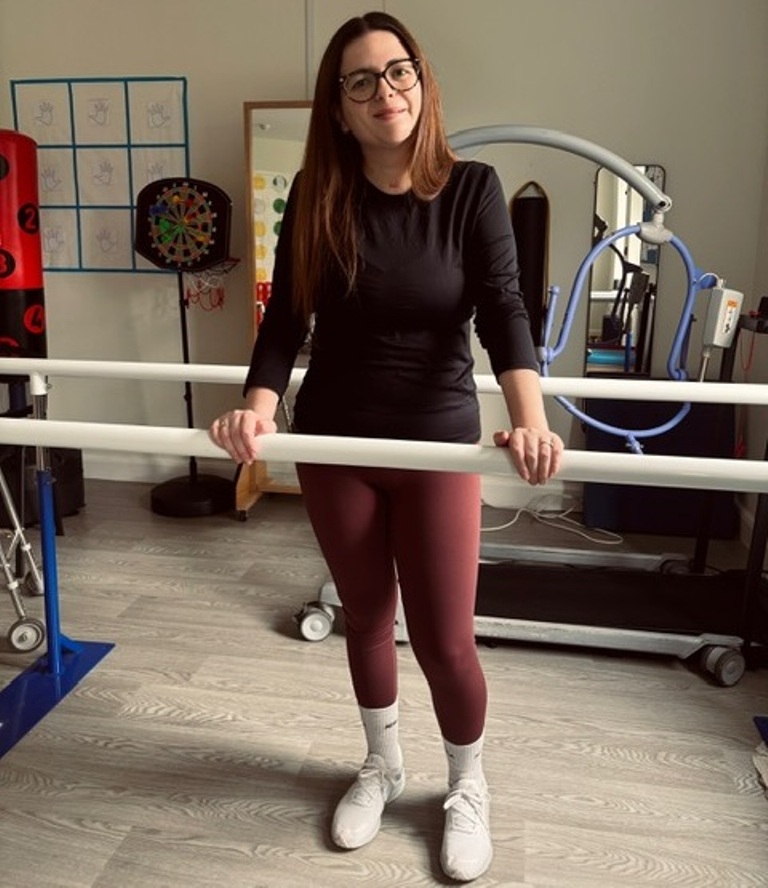
By CHD Living At CHD Living, we believe rehabilitation is about more than recovery – it’s about restoring independence, dignity and purpose. Our specialist centres in Bagshot and Kingston are designed to deliver transformative outcomes for people recovering from complex neurological conditions. One such story is Lucy’s. When 31-year-old Lucy walked out of Bagshot Park [...]

Renowned as the UK’s leading Wheelchair Accessible Vehicle (WAV) specialists, Brotherwood has further strengthened its commitment to inclusive mobility by expanding its nationwide WAV Hire service. With the addition of new vehicles to their fleet, Brotherwood now offers greater availability and flexibility for clients seeking high-quality, accessible transport solutions on both a short and long-term [...]
 Brain injury1 Sep
By The London Neurocognitive Clinic Recovery after an acquired brain injury (ABI) is rarely limited to physical or cognitive challenges. For many individuals, the most enduring struggles are emotional, including anxiety, depression, grief, or a disrupted sense of identity. While rehabilitation often focuses on functional gains, it is the emotional resilience that ultimately helps people [...]
 Parkinson's18 Aug
A new podcast series has been launched to help people with Parkinson's stay active. Get Active Stay Active, delivered by 1FitLife and Parkinson's UK, covers topics such as building up exercise intensity and choosing suitable footwear. The series brings together healthcare professionals, exercise experts and individuals living with Parkinson's to offer advice and guidance. [...]
 Brain injury14 Aug
By Chiltern Music Therapy for Neuro Rehab Times A six-month pilot of Neurologic Music Therapy® (NMT™) at British Home has delivered compelling results, highlighting the therapy’s effectiveness in supporting complex neurorehabilitation goals across physical, cognitive, psychological and communicative domains. The full-day NMT™ pilot involved 14 unique patients receiving both 1:1 and group sessions, with referrals [...]


