



Therapy
Therapies that support recovery after neurological injury and illness.
 Multiple sclerosis20 Oct
Multiple sclerosis may begin damaging the brain up to seven years before symptoms appear, researchers say, showing immune activity starts earlier than previously thought. By analysing more than 5,000 blood proteins, scientists have mapped when MS begins attacking the myelin sheath — the fatty layer protecting nerve fibres — and identified potential diagnostic markers. Myelin [...]
 Spinal injury16 Oct
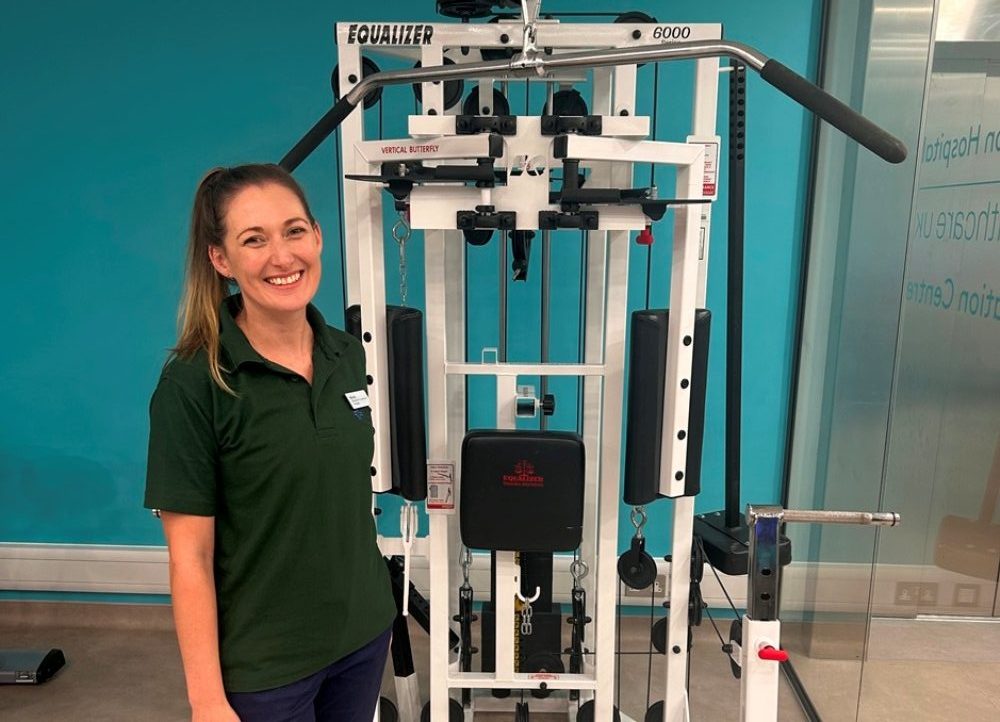
HCA Healthcare UK’s Neuro Rehab Centre sees many patients living with spinal cord injuries. Mandy shares how the team at the centre combines innovative technology with compassionate, patient-centred care to support recovery. Our team here at The Wellington Hospital supports patients at all stages of their journey, from early rehabilitation to ongoing, long-term care. With [...]
 Neuropsychology15 Oct
By Lucy Babbs, speech and language therapist, Ascot Rehab When 56-year-old Bernard* arrived at the Ascot Rehabilitation centre in Streatham, London, he was facing one of the biggest challenges of his life: rebuilding his ability to communicate. A fit and energetic man, Bernard had been thriving in an executive role and busy with family life [...]
 Stroke14 Oct
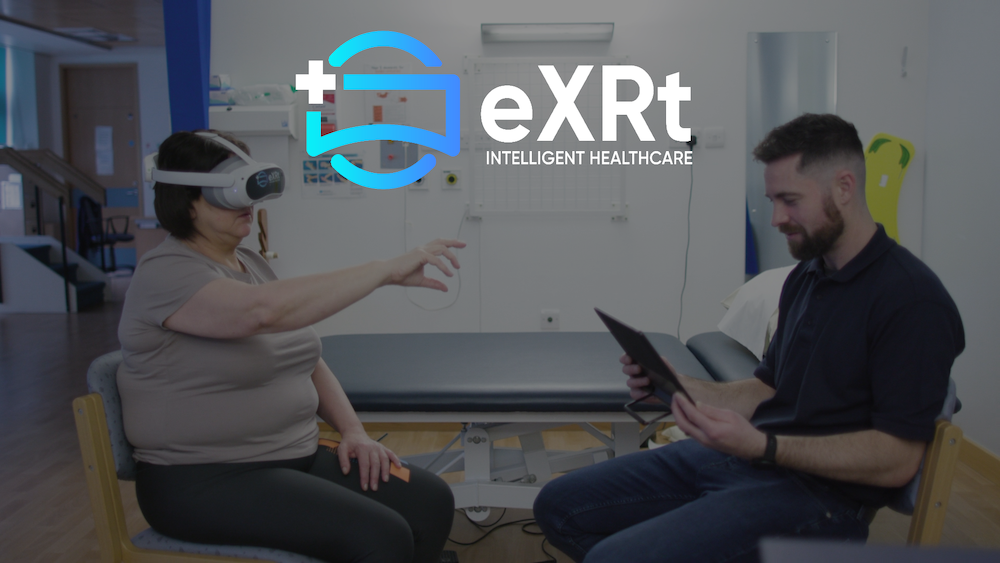
Neurotechnology company Reneural is transforming stroke rehabilitation with a new digital health initiative that utilises virtual reality (VR) technology. NR Times editor Stephanie Price speaks to co-founder Heraldas Gaspariunas (above left), COO, and Victor Harabari, CEO (above right), to find out more. Technology has seen rapid advancements over the last few decades that are now beginning to [...]
 Stroke14 Oct
If you’re involved in stroke treatment—whether you’re an occupational therapist, physiotherapist, stroke consultant, or another healthcare professional—you already know the negative impact that stroke can have on patients, and the strain it places on our healthcare system in the NHS and globally. So there’s no need to explain the enormous challenge of meeting the new [...]
 Parkinson's13 Oct
Emerging research is exploring the potential of photobiomodulation (PBM) - a light-based therapy targeting the gut-brain axis- as a promising new treatment for Parkinson’s disease. A recently published clinical trial, conducted on 60 participants in Canada, reported clinically significant improvements in multiple Parkinson’s symptoms following treatment with photobiomodulation (PBM) therapy. The results, presented last month at [...]
 Parkinson's13 Oct
Martial arts classes are transforming the lives of people living with neurological conditions such as multiple sclerosis (MS) and Parkinson’s disease. NR Times editor Stephanie Price speaks to Adam Poulter, founder of Foundation Physio, to find out more. Neurophysiotherapy service Foundation Physio is helping its clients to build strength, flexibility and co-ordination through a ten-week [...]
 Multiple sclerosis10 Oct
By Rishika Balani, physiotherapist, Ascot Rehab Multiple sclerosis (MS) is the most common cause of non-traumatic neurological disability in young adults. Charcot originally identified the classic triad of symptoms as nystagmus, intention tremor, and scanning speech. Among these, intention tremor can be particularly disabling for many patients. According to the Movement Disorder Society, intention tremor [...]
 Brain injury8 Oct
By Tony Ward RD, MSc, specialist neuro rehab dietician and NRN director After a traumatic brain injury, recovery is rarely straightforward. Clients often spend weeks in ICU, losing significant weight and muscle mass as their bodies fight to heal fractures, soft tissue damage, and, crucially, the brain itself. Yet when they leave acute care, nutrition [...]
 Neuropsychology6 Oct
By The London Neurognitive Clinic In neurorehabilitation and clinical practice, the concept of neurodiversity is no longer confined to a discussion of autism or ADHD alone. It represents a broader recognition that cognitive, emotional, and behavioural differences are part of the human spectrum. For neuropsychologists and other allied health professionals, this shift in perspective demands [...]


