Gaining registration from CQC is becoming increasingly necessary in case management – but negative perceptions about the process can often get in the way of companies embarking on or completing the process.
Here, Dr Shabnam Berry-Khan, clinical psychologist, case manager and founding director of PsychWorks Associates, reflects on her successful application and the lessons she and the business have learned as a result
CQC registration. Two words that often strike case management companies facing the process with utter fear and dread.
Having recently secured registration for PsychWorks Associates, I can confirm it is indeed a time-consuming, massively thorough undertaking, which resulted in many late nights after a day’s work and copious amounts of reading from different sources. The information was immense and the thinking I did to make sense of it all took up a lot of mental and emotional space especially as the process probes all aspects of your business. Suddenly, it felt like my business skills were as scrutinised as much as my health and social care knowledge.
But, despite this invasion, for me, I found it a very positive process; one in which I came to know my own business – what we stand for, what we believe, how we conduct ourselves, how our clients are at the centre of everything we create, why we are unique – even better than I thought I did. I really wasn’t expecting that since it is pitched as an exercise of compliance and client safety.
I fully appreciate the time, effort and detail that is needed in putting a successful application together – and have learned the lessons of us being unsuccessful the first time I applied (more of that later) and took the very constructive advice that was available to make sure we did things differently and better. I do not believe that any of the work you do will be wasted regardless of the registration outcome – you can and should revisit it as you progress on your path.

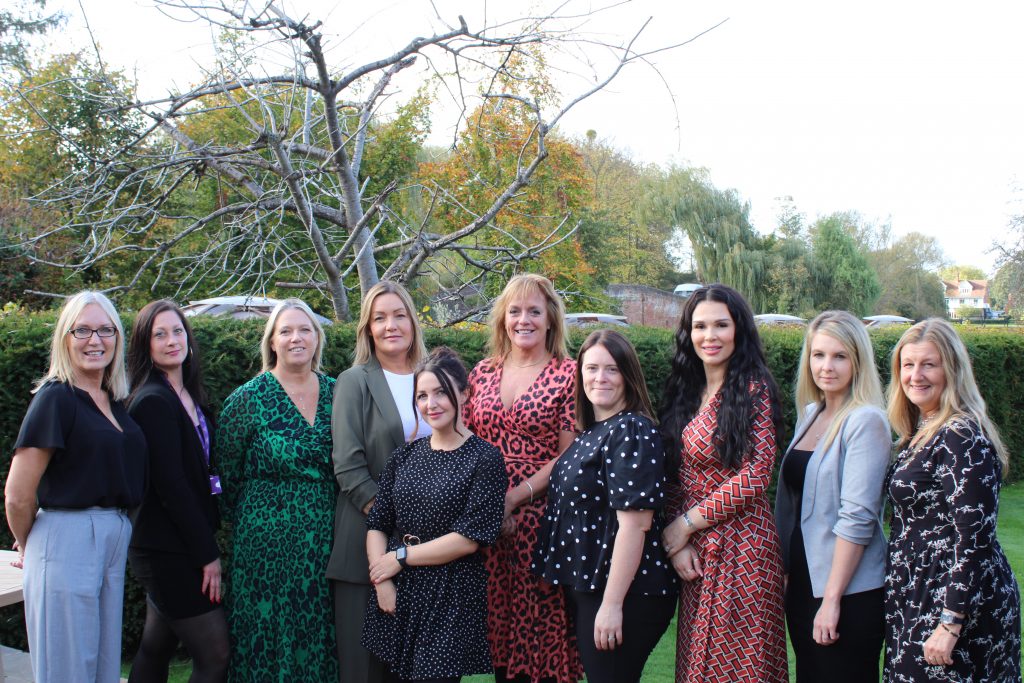
Dr Shabnam Berry-Khan, director of PsychWorks Associates
So, having been through the process, I wanted to share some reflections for others contemplating CQC registration – as well as for those who have been unsuccessful previously, or those who are inclined against it despite the fact it’s increasingly seen as a ‘must have’ in our sector.
The input I received from our specialist consultant, Ali McNamara of Lifestyle Support Services, was incredibly helpful. Ali did not complete the application form for me (a hugely disappointing realisation, at first!), but instead skilfully teased out with me what a CQC-registered personal injury service could look like: one that I could remain passionate and proud about and also would be even more resilient and sustainable than before. I never realised that the two would be as connected as they did turn out to be.
By sharing the learning curve which we have been on, I hope that it may prove useful for other case management colleagues as we work collectively towards the highest possible standards and sustainability for the industry.
Taking advantage of your clinical skills
Knowing where and how to start is often the hardest bit. Lifestyle Support Services once asked me early on what the CQC processes meant for a service like PsychWorks Associates. I later realised I was being asking about how I conceptualised – made sense of – what CQC is asking us to do and how it relates to our case management work.
Initially, I was thrown by this question and went to my professional ‘comfort zone’: my psychology training and using case conceptualisation or psychological formulation in our work. When you work psychologically, understanding client need requires piecing together multiple perspectives and providing a relatable story to all which then guides subsequent interventions and decisions for best outcomes. How the story makes sense is essential to our whole understanding of our client.
For me, this fundamental psychological framework formed a welcome basis upon which my considerations would be based. That would include how to communicate who we are to the CQC (our ‘client’, you could say), what we base our service on, how we make sense of what we do and how that fits with CQC/client goals, how we get the outcomes we are aiming for, and how we know we are making sense to all and achieving those goals.
Considering also my training in Acceptance and Commitment Therapy (ACT), I wanted to build an authentic application based on a coherent story, one that spoke to my values as a business owner and that connected with my proposed role as the Registered Manager. As the organisation’s founding leader, these values permeate the whole service, not only to inform the clinical work, but also by working with the clients we can best support with a clinical team who are the best fit for successful outcomes. The applicability of a values-based service therefore extends beyond the CQC application form, but the extra clarity I achieved about the business because of the registration forms was truly comforting. It ultimately confirmed it as a service that makes sense to me, to those I serve and to those who join us in our endeavours.
Using formulation and ACT ideas, I realised that conceptualising the client and their needs in case management starts with a robust Immediate Needs Assessment that takes into account as many different perspectives as possible to begin to build hat coherent and relatable story. From this story, a strong therapeutic alliance and two-way communication can be established. Thereafter, accurate and successful support worker placements are more likely in a team that is managed within a clear framework that includes quality supervision, responsive training, open communication and inclusive client and staff requirements. An aligned network of professionals can be appointed around the client and their family and there is opportunity to co-create a culture that sees, hears and respects the views of those involved. The current key principles of client safety, a caring approach, responsive input, effective support by well-led teams are more easily evidencable against this story.
It is also a passion of mine and our Associates that we meet the needs of a diverse client group, as well as provide a supportive service to Associates, some of whom have sadly experienced biases in their careers. We hold values of compassion, respect, equity and acceptance at the core of the service and this was also important to represent in our values, ethos and therefore the CQC application process.
I appreciate that not all case managers will be psychologically trained or from a diverse background, but we all have a story to tell and, for me, the CQC registration process can be likened to the work we do every day with our clients and families – the preparation, level of understanding and ability to conceptualise the work to think effectively, creatively, practically and respectfully – which are themed around the same concepts and underpinning.
Explain yourself!
The CQC needs to understand you and your business, so make sure that’s what you enable them to do. Tell your story in a way that speaks to your audience and informs them of the keys parts of your service. Don’t presume they know about what exactly you do, or even what happens in case management practice – lay everything bare so they can come to understand exactly what you’re about. Borrowing from the principles of informed consent and the benefits it provides, you respectfully inform your assessor what you do, what it means and how it is relevant to clients from your perspective and you guide the assessor along with you so they can decide with as much information as possible whether you are worthy of registration with them.
With our business, the fact we offer both case management and treating psychology services makes us really unique – explaining our dual approach to people working within this sector can sometimes be tricky, so for someone from CQC without specific knowledge of the case management world, they wouldn’t be expected to know our intricacies, the fact we stand out, the unique ethos and deeply-held beliefs of our business.
Another of Lifestyle Support Services’s gems was to write alongside your story what someone who might never have heard of case management would need to know. When I was invited to be interviewed by the CQC as part of the process, the CQC assessor remarked that she felt like she knew a lot about PsychWorks Associates and that the level of detail provided was unusual, but highly valued. She implied that she did not have to work so hard to understand a service that did not naturally fall into the CQC categories because it was all there. Needless to say, the interview went very smoothly and was almost enjoyable. I felt she could understand my songbook and this empowered her to sing the songs with me. Assisting the interviewer so they feel they know you and your business, and putting time into the paperwork preparation makes that possible.
Invest time in the paperwork
I want to share a bit of a back story here, which spurred me on to share my reflections – at the first time of trying in 2021, our application for CQC registration was rejected.
For those who have looked into the CQC process, you will know it asks for A LOT of paperwork to substantiate the important service we all provide, from various policies to business plans to set format application forms. I estimate that I submitted about 500 pages all-in-all. No mean feat. At the end of 2020, as a much smaller, but quickly growing business at the time – typical of many of us working in this sector – the thought of completing such a time-consuming application form was time I didn’t think I had. I had heard from many colleagues in similar positions that they were outsourcing the paperwork part of our application to external companies offering the help, so the opportunity to take advantage of such support was welcome. I therefore signed up with a service. I failed to get registered. I was absolutely gutted.
The feedback from CQC pointed out inconsistencies and gaps in the narrative. I’d hoped that by outsourcing, we’d be investing in the quality and expertise the CQC rightly expects and that is representative of us as a business, but sadly that was to prove costly. This really made me stop and think. How can someone else tell my story better than me? How can they know what case management is about especially if they themselves are not a CQC registered service? Is this process more than just administrative? Is there more to it?
Based on our experience, I would thoroughly recommend completing the paperwork yourself. Yes, it takes a huge amount of time – I did it over the course of a month, working on it for full days and evenings at a time, but it was my work and I was able to convey the achievements, commitment and passion of the PsychWorks Associates team as I would wish. I was very proud of what we were doing as well as completing the application forms themselves.
Furthermore, when the interview process came, I found that through the intense levels of detail needed for the paperwork, my preparation was already largely done by default. And I felt confident and relaxed going into the interviews, knowing that I’d already gone into such detail in the written submission, so could now enjoy the opportunity to let my passion and interests come through. Having such a positive and prepared mindset going into any interview is a very strong position to be in – very empowering, in fact. I know exactly where PsychWorks Associates is heading and what I need to make our goals achievable including in the eyes of the CQC.
Take the opportunity to review and learn
By looking at your business in such minute levels of detail, while you may think you know everything inside out, chances are there will be things that you learn.
For me, I was drawn back to my values and those of the service. I was working incredibly hard at PsychWorks Associates. I admit I really like working in and on the business and with our clients and Associates, but I also recognise that I have other commitments and priorities and I had been struggling to balance my needs adequately. I noticed I was beginning to feel quite stressed. I was not living a values-based life and this realisation was upsetting. It was exactly what drew me to erroneously outsource the CQC application form to another service. The fact is, case management is a moveable feats – it is far from staying still. It is an exciting, evolving and advancing industry that is progressing the health and social care needs of our clients.
The business model that any case management service needs to ensure is available is the resource to think, keep up-to-date and develop alongside the changes that are happening. It’s CQC today, but it’ll be something else tomorrow. It occurred to me that if I couldn’t fully embrace the need to register with CQC like I have been able to, the business may not be as sustainable in the long-term as I would like it to be. I mean, without the time and headspace in my work schedule to embrace, engage and effect necessary changes to PsychWorks Associates, I wouldn’t be able to continue to invest in the changes like I have for CQC.
It can be a very positive experience to reflect on what you do well and what makes you so unique; I actually found it very cathartic. For PsychWorks Associates, we are committed to delivering a client-centred service, with clinicians who are promoting our values, geared around kindness and trust. We also have a very open culture where it is very much a two-way process – we are very collaborative, not top down. Working so hard to create this has been something we have all been invested in – but in doing so, you’re more likely to almost be compliant ‘by default’. In instilling such positive values and commitment into your team, that is a very secure base on which to build further.
Furthermore, it’s a great opportunity to take any feedback you are given – good or bad – and act on it, taking criticisms with good grace. The opportunity for us to work on the paperwork aspect was actually a very welcome one, which enabled us to reflect and remind ourselves of what we do, and why and how we do it, in ways we probably hadn’t taken the time to do previously.
It also reminds us of exactly what we as case managers are doing and what we’re aspiring to – the five current principles of being safe, caring, responsive, effective and well-led are central to everything we do, and by compiling such a comprehensive application, you can see just how effectively you’re fulfilling these – and what more you could be doing in delivering a truly client-centric approach.
If you aren’t absolutely certain that you are delivering these principles and how you are delivering them, then your work with clients may well be on uncertain foundations. Take the time to look again at what you’re doing and how you’re doing it – and make the necessary changes to improve.
My reflections are purely based on my individual experience with CQC, and others will no doubt have different insights to share. For me, the process I undertook unexpectedly provided me with a wonderful opportunity to look holistically at myself, my business, and the industry – just as we always try to look at our client as a whole.
More information about PsychWorks Associates’ case management and treating psychology services can be found at www.psychworks.org.uk