COVID-19 regulations have led to reduced social interaction and periods of isolation, but new research has unveiled the effect this can have on the brain.
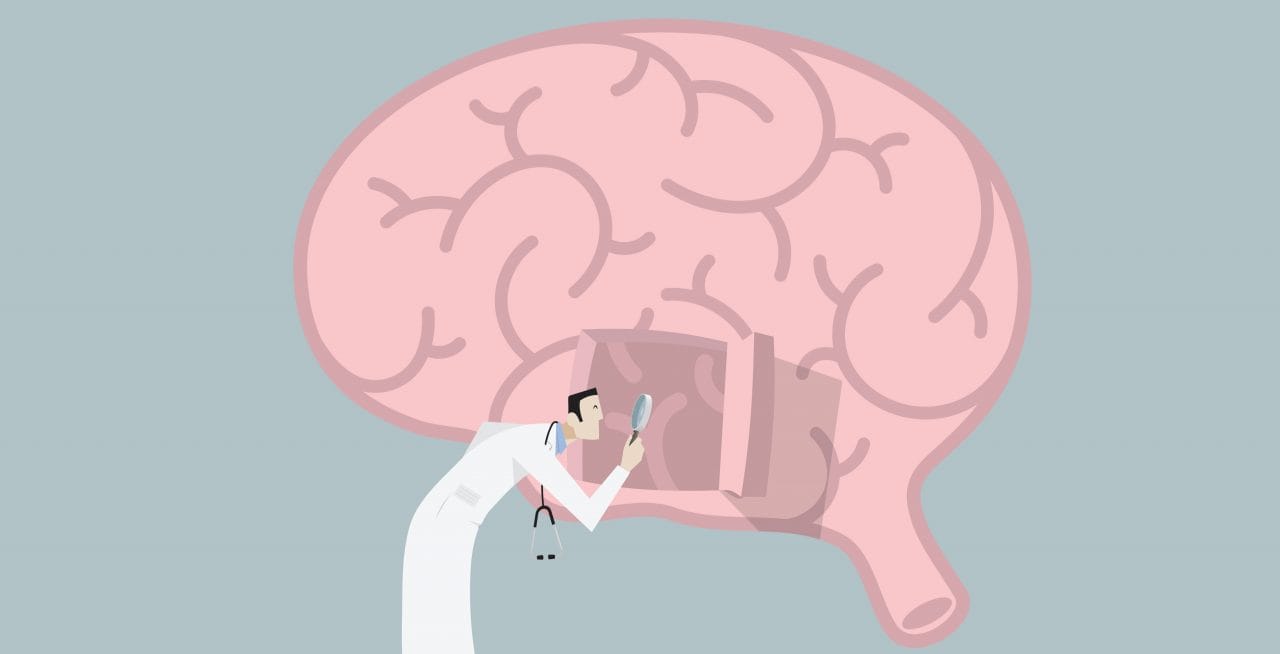
Scientists from the Montreal Neurological Institute-Hospital found that the brains of those who reported feelings of loneliness had distinct differences compared to those who did not.
This included different volumes in certain regions, as well as a contrast in how these regions interact with each other.
The 40,000 middle-aged or older patients involved in this study completed a psychological self-assessment to decide whether they were classed as lonely or not.
A global community of therapists has been created to share best practice and knowledge, while enabling new and creative ways of thinking, working and support for clients to be developed using research, insight and experience from around the world.
Remote Rehab was established during the COVID-19 lockdown, during the unexpected and widespread introduction of telerehab when many in-person visits to clients were no longer possible.
The online group was set up as a forum for therapists, experts and researchers around the world to connect, creating an opportunity to share information and knowledge, as well as providing much-needed support to fellow professionals.
The COVID-19 pandemic has forced huge changes within case management and the traditional ways in which clients have been supported. In our continuing series of Q&A features with case managers across the country, Martin Gascoigne of Neuro Case Management UK (NCMUK) shares his experiences.
Can you summarise how the past few months have been for you. The past few months for NCMUK have been extremely challenging. This is due to the Government initially ring fencing all of the PPE supplies for NHS staff which made it very difficult for us to procure the necessary equipment. Also, due to our Paediatric Clients Parents furloughing, we have experienced different challenges with the type and level of care that they felt they would like us to provide whilst still working in accordance with National Minimum Standards.
An acquired brain injury (ABI) can happen to anyone. It doesn't discriminate and can occur following a traumatic event such as a stroke, illness or accident.
Here personal injury expert Louise Jenkins, of Irwin Mitchell, talks to occupational therapist, Suzanna Anthony, about how she’s supporting people with memory issues through the pandemic; and what methods and tools there are to assist with memory problems that affect daily life. Louise: So how exactly can a brain injury affect memory?
Eight former professional rugby players are planning a groundbreaking lawsuit against the sport's governing bodies which could massively shake up its safety regulations.
Despite being under the age of 45, all the players involved have been diagnosed with early onset dementia, which is likely to have come from repeated head trauma while playing the sport.
The lawsuit will be filed against the sports worldwide governing body World Rugby, as well as the Rugby Football Union and the Welsh Rugby Union.
Solicitor Richard Boardman of Rylands Law is leading the case, representing more than 100 former players who have complained about symptoms of neurological conditions.
Having lived with a serious brain injury from the age of seven, Jamie has rebuilt his life and is committed to enjoying every single day, supported by a team of specialists around him. NR Times learns more.
Jamie lives every day to the full.
Having lived with a severe brain injury since the age of seven, when he was involved in a road traffic accident, Jamie has rebuilt his life beyond all expectations.
He has developed a love of boxing, which is helping him progress both physically and emotionally, which has proved the perfect solution to his loves of sport and being active.
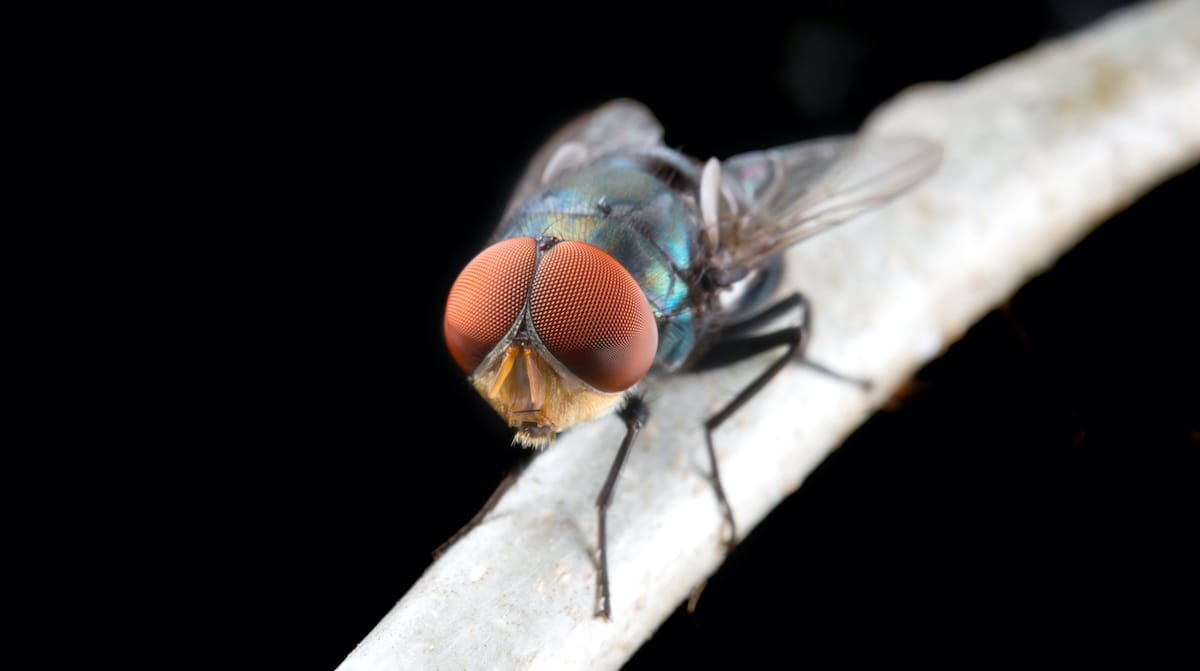
Fruit flies have helped researchers in the US better understand the impact of small brain injuries on the nervous system.
Scientists from Oregon Health & Science University (OHSU) used the flies to examine how damage to a small amount of neurons can cause a chain reaction across the brain, stopping activity in neurons that were uninjured.
Pasta sauce, ketchup and soup are all tasty uses for tomatoes - but according to new research the fruit has the potential to help Parkinson’s patients through its unique ability to carry a critical chemical.
Scientists from the John Innes Centre in Norwich have developed a genetically modified tomato which is rich in the drug L-DOPA - one of the most common treatments for Parkinson’s disease (PD).
The Sue Ryder Neurological Care Centre Lancashire opened, after years in the planning, during the height of the COVID-19 pandemic. Centre director Terry Mears and neuro rehab lead Hannah Halliwell share their experience of such a difficult, yet rewarding, time.
Opening a new specialist neurological care and rehab centre is a seismic task in any climate - but to do so at the height of the COVID-19 pandemic is probably a feat few would attempt.
But having been badly wanted and needed in its area for over 15 years, and after an 18-month construction and development project, the Sue Ryder Neurological Care Centre Lancashire opened its doors to patients in April.
NR Times reports on a new SMART assessor online training course coming up early in the New Year.
The SMART (Sensory Modality & Rehabilitation Technique) is a standardised investigative and assessment tool specially designed for patients with prolonged disorders of consciousness (PDoC) SMART is recommended as a tool of choice in the Royal College of Physicians (RCP) Guidelines 2020.
A new four-and-a-half-day online training course will run in February, aimed at senior neurological clinicians (AHPs, clinical psychologists, nurses, and doctors). The course runs on 3rd to 5th and 11th and 12th of February 2021. It will enable delegates to meet the person specification for PDoC assessors as outlined in the RCP guidelines.