Head injuries can impact on memory and thinking decades later, new research has revealed.
People who experience head injuries in their 50s or younger were found to score lower than expected on memory and thinking tests aged 70.
Head injuries did not appear to contribute to brain damage characteristic of Alzheimer’s disease, but might make people more vulnerable to dementia symptoms, the study by UCL, funded by Alzheimer’s Research UK, concluded.
“Here we found compelling evidence that head injuries in early or mid-life can have a small but significant impact on brain health and thinking skills in the long term,” says Dr Sarah-Naomi James from UCL.
Practicing a form of meditation can lead to significant reductions in the severity of symptoms of Post Traumatic Stress Disorder (PTSD), new research has found.
In a study of veterans who adopted the Transcendental Meditation technique, 50 per cent of the group no longer met criteria for PTSD after three months.
The randomised controlled study also showed significant reductions in veterans’ symptoms of depression, anxiety and sleep difficulties.
Early intervention neurophysiotherapy can be vital in maximising outcomes for patients after stroke, new research has found.
Following ischaemic stroke, researchers found that the capacity of the human brain to recover and rewire itself peaks after around two weeks.
And it is during those crucial early stages, when the brain has a greater capacity to modify its neural connections and its plasticity is increased, when neurophysiotherapy can deliver optimum impact.
“It is during this early period after stroke that any physiotherapy is going to be most effective because the brain is more responsive to treatment,” says Dr Brenton Hordacre, lead author of a study conducted in London and Australia.
Only days after returning from an adventure of a lifetime, Louise Hulbert’s world was torn apart when she had a stroke. Here, the author of From Burgos to Bedroom Floor and Back Again tells NR Times how she hopes to inspire other survivors with her story
Three years into retirement, and about to celebrate a landmark birthday, Louise Hulbert was making the most of her 60th year.
A lover of walking, she had just completed several stages of El Camino, a long-distance pilgrimage walk from France to Santiago de Compostela in northern Spain, crossing the Pyrenees on the way, covering up to 15 miles every day.
Approval has been given for use of a multiple sclerosis (MS) medication in Scotland, with a final decision on its introduction in England and Wales expected later this year.
The medication ozanimod, or Zeposia, has been given approval by the Scottish Medicines Consortium (SMC) for people with active relapsing remitting MS.
Ozanimod is a disease modifying therapy which is taken as a tablet and traps immune T-cells in the body’s lymph nodes.
Efforts to bring epidural stimulation into mainstream use - which could enable people with spinal cord injury to walk again - have moved a step closer through new funding for the project.
In 2018, the University of Louisville made news worldwide when two people diagnosed with spinal cord injuries recovered the ability to walk through the experimental use of epidural stimulation.
However, since that time, the use of the breakthrough therapy outside of a research lab setting have so far not come to fruition.
However, the prospect has moved a step closer with a $7.8million grant from the National Institute of Neurological Disorders and Stroke, one of the National Institutes of Health (NIH).
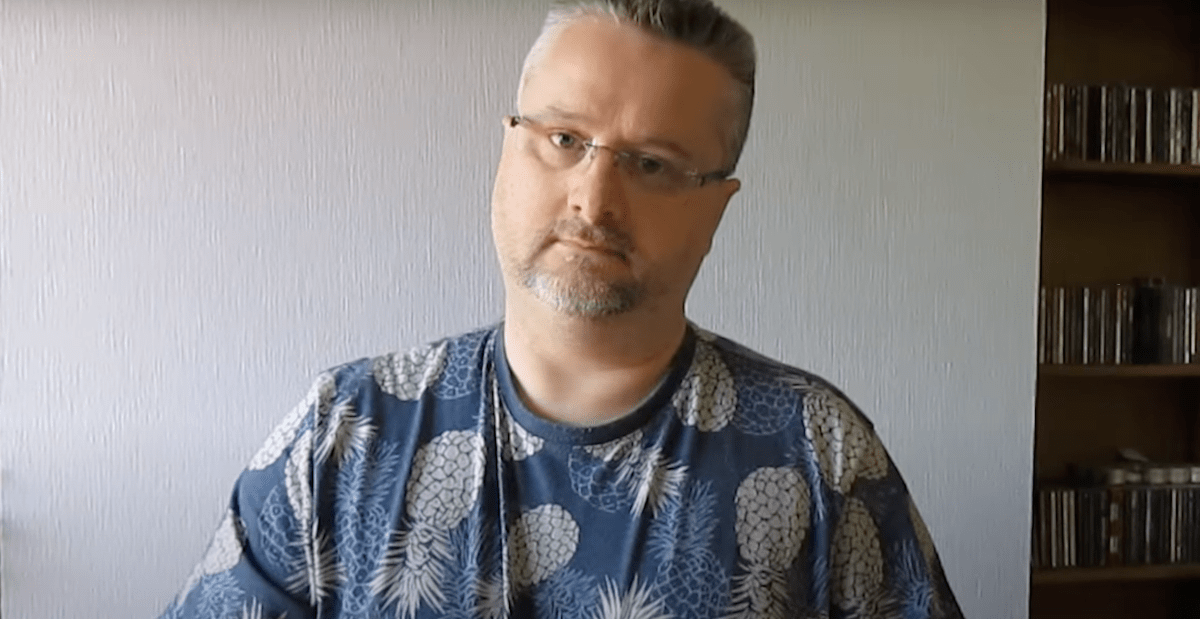
Having lived with a brain injury for 26 years, the turbulent cycle of emotions is now all too familiar for the Brain Damaged Baron. Here, the blogger and YouTuber shares his powerful reflection of the internal struggle to reach acceptance, while the sun still shines and the birds continue to sing
Sweet birdsong flutters through the clear and crisp air, shattering the morning peace.
An unrehearsed symphony heralding the day with its joyless melody. The glass of the bedroom window and the thick, lined curtains are no match for its piercing, deafening cry.
In 2010, the Clinical Advisory Group recommended every patient admitted to a Major Trauma Centre ought to have a rehabilitation prescription documenting their rehabilitation needs. Eleven years on, rehabilitation prescriptions are not used effectively and uniformly, to the detriment of patients and those who support them.
Tom Balchin is the founder of Action for Rehabilitation from Neurological Injury (ARNI) who had a haemorrhagic stroke when he was 21. For over 20 years, Tom has committed his life to helping stroke survivors make a functional recovery through a specialist rehabilitation programme that he developed based on his own experience. The ARNI programme is backed by clinical studies and Tom’s methods are endorsed by senior doctors.
The “once in a lifetime opportunity” to support people whose communication and swallowing needs have suffered during the pandemic must be taken, with the Government needing to urgently support speech and language therapy in this area.
That is the message from more than 80 organisations nationally, which work with, represent and support people with communication and swallowing needs, after the significant detrimental impact people have faced over the past year through their therapy being withdrawn or done remotely.
Growing evidence is emerging that COVID-19 can lead to long-term neuropsychological deficits, even in its mild or moderate respiratory forms, a new study has concluded.
For years, health experts have suspected the presence of long-term neuropsychological deficits after SARS-C0V-2 infection, with studies about the two previous coronavirus outbreaks - the severe acute respiratory syndrome (SARS) and the Middle East respiratory syndrome (MERS) - demonstrating the presence of neuropsychological symptoms.
These include sleep disorders, emotional instability, impaired concentration, frequent recall of traumatic experiences, impaired memory and fatigue.
The symptoms were shown to manifest in more than 15 per cent of affected patients about one month to 3.5 years following infection.