Having worked for some of the biggest media outlets in the science industry, Ginny Smith has been making brain science accessible for several years. With the release of her first solo book, she sits down with NR Times to discuss the ever-changing world of neuroscience.
The neurotransmitters in our brains and the chemicals that go with them continue to puzzle scientists and academics.
Making sense of it all is Ginny Smith with the release of her new book. Overloaded: How Every Aspect of Your Life is Influenced by Your Brain Chemicals explores how chemicals control what we do, from basic survival instincts to more complex processes, like forming relationships.
A study has laid bare the pressures facing paediatric neuro-rehab professionals at the height of the pandemic, and how they were able to quickly adapt to new working practices.
It also highlights the need for greater support for families affected by neurological conditions in accessing technology; and for more research into the efficacy of remote interventions.
The Paediatric Neuro-rehabilitation Special Interest Group (PNR-SIG) charted the experiences of professionals from the start of the first lockdown and throughout subsequent months. Respondents were largely clinical or educational psychologists involved in paediatric neuro-rehab.
A specialist neurological centre is continuing to invest in its offering as it increases therapy and rehab provision for patients.
Chase Park Neuro Centre has developed its facilities over several years, with a hydropool and gym area being added in 2007 to increase therapy opportunities for residents, but efforts have redoubled since being acquired in 2016.
Under the ownership of Dr Niraj Brahmabhatt, Chase Park has brought its external therapy and psychological support services in-house, with a neuropsychologist now based on site.
Organisations from across the UK’s health and social care sector have united to call for urgent action to improve the level of technology-enabled care for dementia patients.
Around 100 private sector businesses, not-for-profit organisations and individuals have joined with 18 representative groups - including the National Care Forum, Care England, National Care Association - to call on the Government to improve the financial and strategic support in dementia care.
In an open letter to Prime Minister Boris Johnson, the groups demand that the Government conduct an urgent review of the status and progress of the commitments set out in the Dementia 2020 Challenge.
One in three stroke survivors experiences depression within five years of it happening, but a new device could help reduce this by utilising brain stimulation.
A study from the University of South Australia found that using repetitive transcranial magnetic stimulation (rTMS) improved depression among its patients.
The researchers delivered around 30,000 electromagnetic pulses to each stroke survivor’s brain over the course of two weeks, which showed positive changes in brain function.
COVID-19 regulations have led to reduced social interaction and periods of isolation, but new research has unveiled the effect this can have on the brain.
Scientists from the Montreal Neurological Institute-Hospital found that the brains of those who reported feelings of loneliness had distinct differences compared to those who did not.
This included different volumes in certain regions, as well as a contrast in how these regions interact with each other.
The 40,000 middle-aged or older patients involved in this study completed a psychological self-assessment to decide whether they were classed as lonely or not.
Eight former professional rugby players are planning a groundbreaking lawsuit against the sport's governing bodies which could massively shake up its safety regulations.
Despite being under the age of 45, all the players involved have been diagnosed with early onset dementia, which is likely to have come from repeated head trauma while playing the sport.
The lawsuit will be filed against the sports worldwide governing body World Rugby, as well as the Rugby Football Union and the Welsh Rugby Union.
Solicitor Richard Boardman of Rylands Law is leading the case, representing more than 100 former players who have complained about symptoms of neurological conditions.
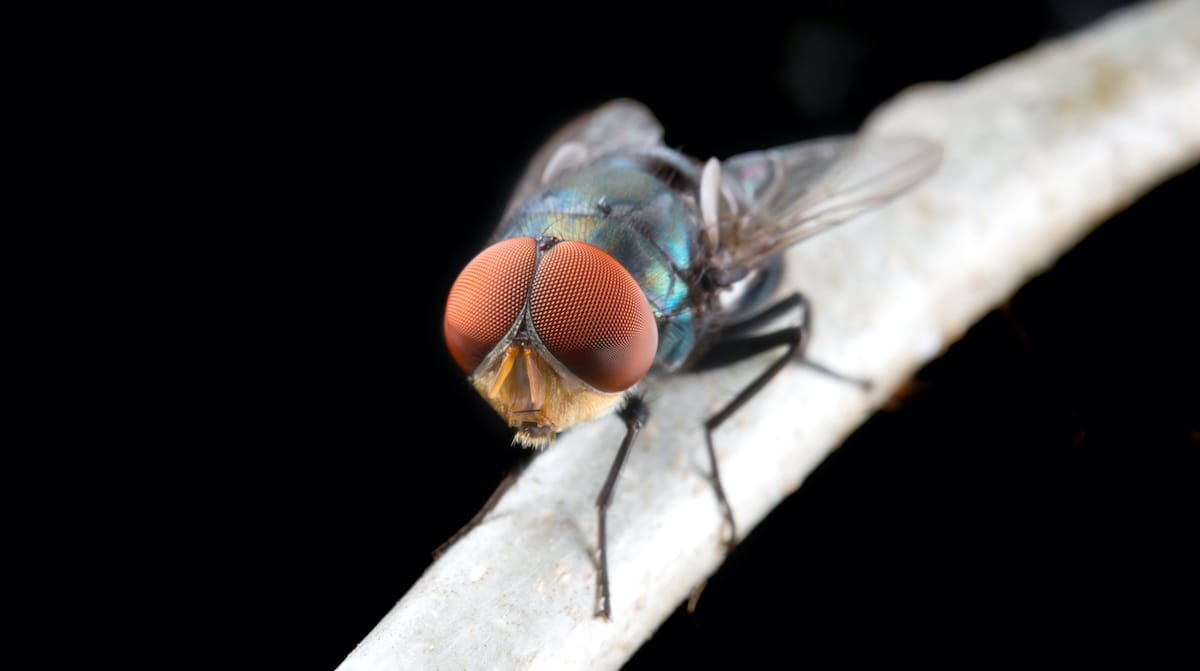
Fruit flies have helped researchers in the US better understand the impact of small brain injuries on the nervous system.
Scientists from Oregon Health & Science University (OHSU) used the flies to examine how damage to a small amount of neurons can cause a chain reaction across the brain, stopping activity in neurons that were uninjured.
Pasta sauce, ketchup and soup are all tasty uses for tomatoes - but according to new research the fruit has the potential to help Parkinson’s patients through its unique ability to carry a critical chemical.
Scientists from the John Innes Centre in Norwich have developed a genetically modified tomato which is rich in the drug L-DOPA - one of the most common treatments for Parkinson’s disease (PD).
Researchers have potentially made major progress in improving Parkinson's diagnosis - all through a basic eye test.
Around 145,000 people in the UK live with a diagnosis of Parkinson’s disease (PD), Parkinson's UK says.This affects over 1 million people, however, when taking into account repercussions for families, friends and colleagues.Currently there is no test which enables clinicians to conclusively diagnose the condition; with the patient’s medical history and symptoms typically being assessed.