Vicki Gilman sits down with Niall Baker, managing partner of the Court of Protection and public law teams at Irwin Mitchell, to discuss his experiences in dealing with brain injury patients.
He explains more about how the firm manages a neuro case and how the laws and regulations around this have changed over recent years.Niall shares insights from his experience as a Court of Protection appointed Deputy, looking at the big picture surrounding these complex cases.He also discussed some of the client bases they work with and how issues around mental capacity, best interests, welfare and financial management can shape a lot of these claims.As well as this Niall shares true stories from real cases, looking at how his firm deals with them and the special considerations that are needed.
Horses can have a profound impact for people looking to recover from injury or illness.
Equine rehabilitation as it is known can help improve a patients mobility, alleviate signs of illness, improve their strength and most importantly bring fun and happiness to a patient’s life.
However getting an adult with motion issues onto a horse can be a struggle.
Liz Morrison is launching the Happiness Horsebox to make sure those with life-changing disabilities don’t miss out on these benefits.
The idea behind the community interest company (CIC) is to make horse riding much more accessible, with the group’s main attraction being the launch of its horsebox which provides all the necessary facilities to do this.
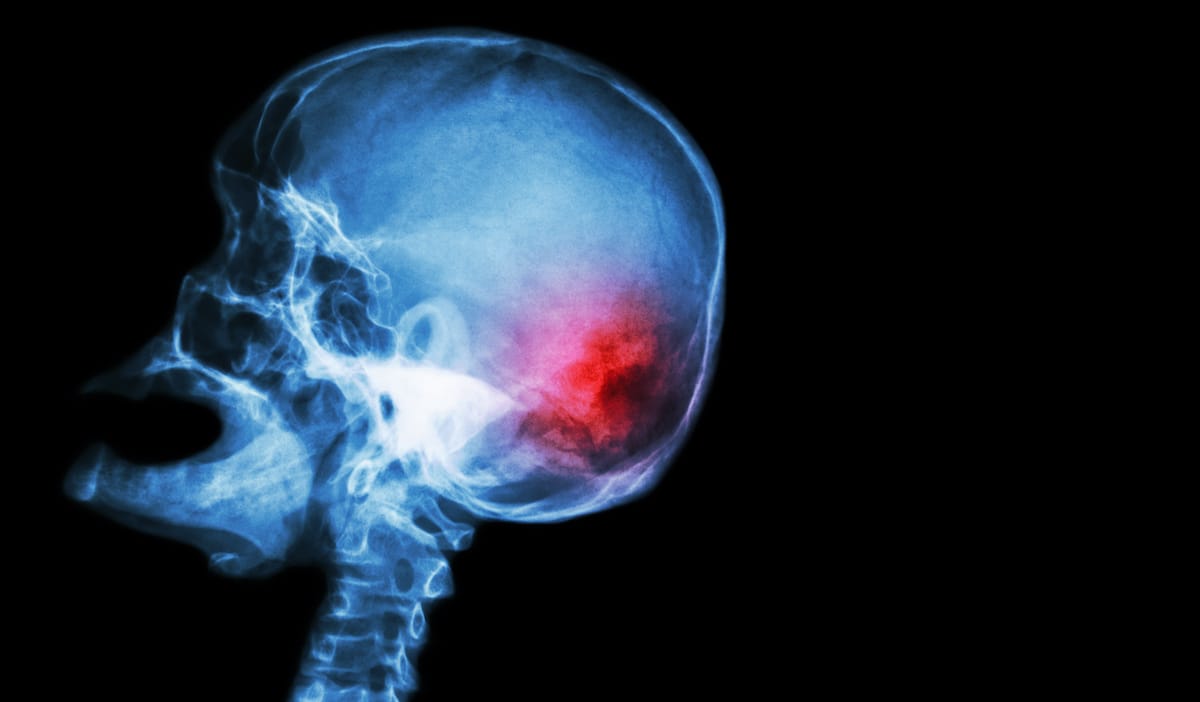
When the brain suffers an injury, the natural response is different to that in any other part of the body.
Unlike damage to most other areas, brain tissue cannot be repaired, meaning the impact of a trauma can often be permanent.For example, statistics show that only 25 to 33 per cent of severe brain injury patients endure positive outcomes or make a full recovery.
The research comes from Simon Fraser University and also showed that certain processing responses in players at the start of the season differed when observed in the postseason.
As well as this, the players in the older age group observed more of these changes.Those involved in the study monitored ice hockey players in Rochester, Minnesota from two different age groups: those 14 and under and those 16 to 20.They measured the player’s cognitive function using electroencephalography to determine their ‘brain vital signs,’ which includes a person’s auditory sensation, basic attention and cognitive processing.
Closer examination of the COVID-19 virus revealed that it can infect both the neurons in the brain and the astrocytes that support and protect these.
When it enters the respiratory system, SARS-CoV-2 begins to infect cells by grabbing hold of the proteins on its surface, which are known as angiotensin-converting enzyme-2 (ACE2).It was previously unclear whether neurons and astrocytes had the ACE2 protein, but by exposing them to a safely modified version of the virus researchers were able to determine this was the case.This helps better understand why some patients show neurological symptoms when they contract COVID-19 as these astrocytes are the main pathway to the brain.
A potential treatment for dementia could be designed on the back of new findings that show the benefits of reducing toxic gas levels in the brain.
The study analysed the impact of reducing the levels in the brain of hydrogen sulfide (H2S), which is potentially harmful to neurons.
Researchers found that H2S was blocking the activity of some cells' potassium channels, which allow electrically charged atoms to pass through.
This caused an increase in activity when these pathways were disrupted and researchers believe this overactivity is a cause of cell death.
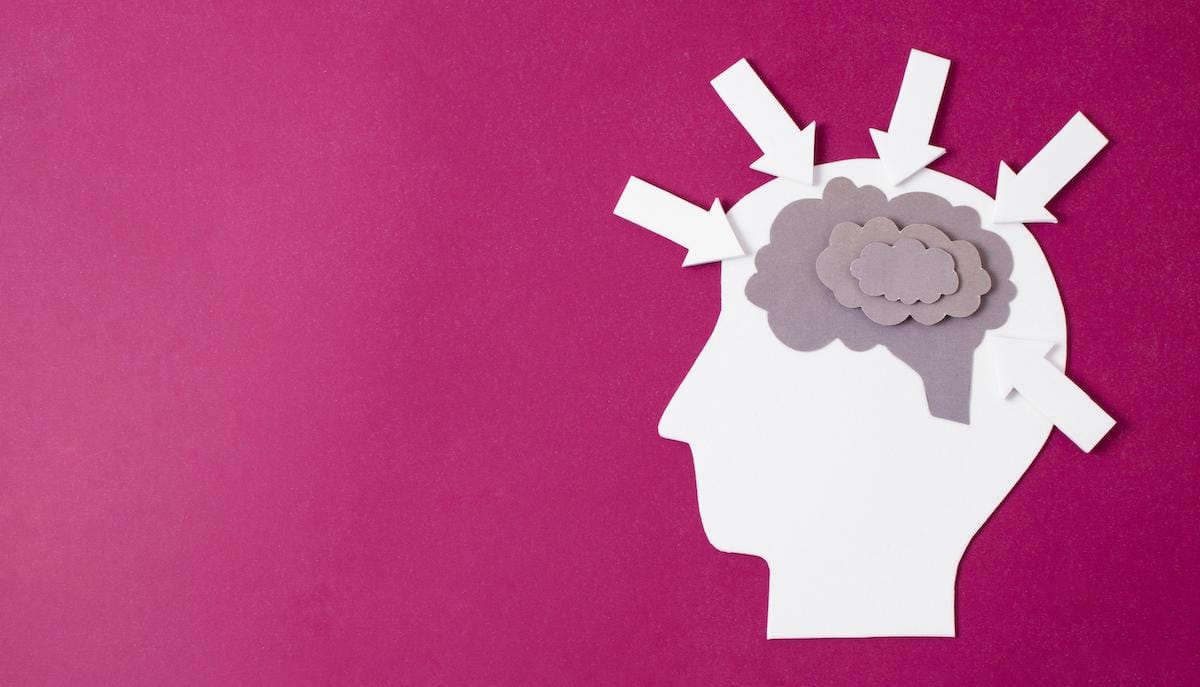
Alzheimer’s Research UK describes dementia as ‘a group of symptoms that occur when brain cells stop working properly.’
Because of this broad definition, dementia can undertake many different forms. Current research has discovered the condition has over 100 manifestations, all of which are progessive.
Having been diagnosed with Young Onset Parkinson’s aged 34, fashion designer Genna Douglas was left isolated and confused about how to get on with her life. To make sure no one else suffers a similar fate, she has teamed up with Parkinson’s UK and clothing giant Next to create a range of products that are raising both money and awareness.
The ordinary task of doing the washing up one day would prove to be a huge moment for Genna Douglas, after she noticed her hand was not moving properly.
While on maternity leave having just had her second daughter, doctors originally thought the problem was a damaged nerve and she was placed on a course of medication to deal with it.
When a stroke occurs, the event itself is only the start of what can often be a long road to recovery.
There are various options for survivors that can help improve their quality of life, but picking the right one can be confusing.Technology is now playing a bigger part than ever before in the rehabilitation process and often delivers life changing results.
After Helen Bulbeck’s daughter Megan was diagnosed with a brain tumour, the whole family was left isolated with little to no support. Now she is using this experience, plus her own journey with cancer, to help run the UK’s leading brain tumour support charity Brainstrust.
“It was at the time when Rohypnol was doing the rounds in the local pub, so I just thought maybe her drink had been spiked.”
This was Helen Bulbeck’s initial reaction to her daughter, Megan, collapsing after a night out and being omitted to A&E in 2006.
She later realised that it was the start of a lengthy battle, as MRI scans revealed Megan had a brain tumour.
To complicate matters, surgeons opted not to operate unless the tumour showed signs of developing.