


Brain injury
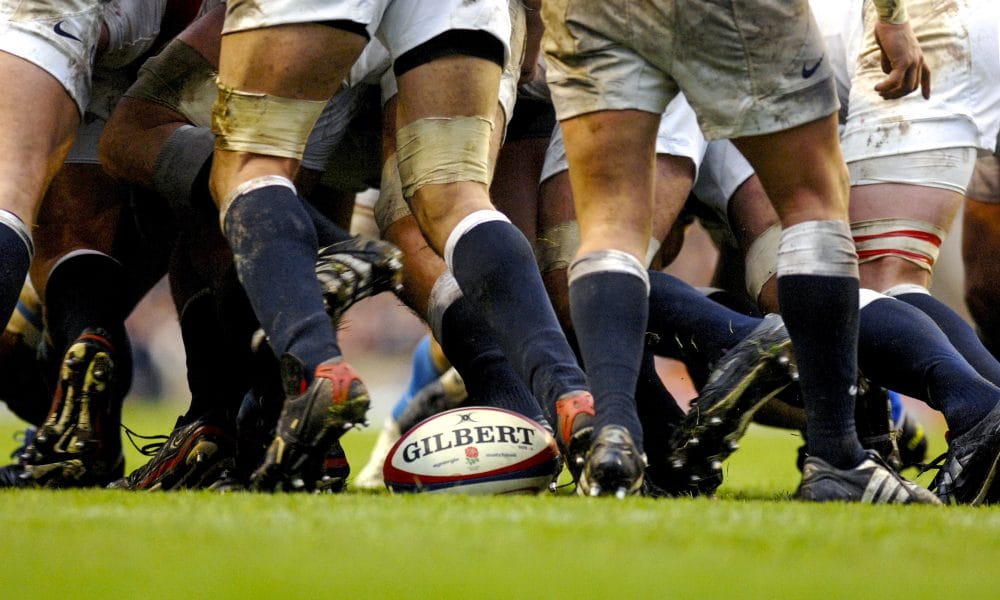
Professional rugby union players can experience a reduction in blood flow to the brain and cognitive function over the course of just one season, shocking new research has revealed.

Athletes with a history of concussion may show more serious brain injury from a later concussion, new research has revealed. In comparison to athletes with no history of concussion, those who have sustained head injuries previously may show greater impact, particularly in middle regions of the brain that are more susceptible to damage. Athletes with a history of concussion should be monitored more closely, the research team said in light of their findings. "We know concussions may have long-term effects on the brain that last beyond getting a doctor's clearance to return to play," said study author Dr Tom A. Schweizer, of St. Michael's Hospital in Toronto, Canada.

A dedicated daughter is attempting a three-peak challenge in memory of her mother, to raise funds to fight for improved understanding of acquired brain injury. In July 2000, Anita Pascoe’s 54-year-old mum, Ann, collapsed following a brain haemorrhage and she remained severely brain injured until her death earlier this year. “We had a journey together [...]

Outdoor activities are being included in the rehabilitation plans for clients with brain injuries by the vast majority of insurers and defence solicitors, it has been revealed.
The newly-opened neurorehabilitation centre Calvert Reconnections polled 112 defence solicitors during June and July 2021, with 81 per cent saying they include outdoor activities in their rehabilitation plans. In further findings, 82 per cent said that funders and referrers face a lack of choice in relation to brain injury rehabilitation options, while 88 per cent highlighted a specific shortage in residential-based programmes.
Changemakers working in the field of brain injury can put themselves forward for a coveted award, nominations for which have opened for 2021.
The Mike Barnes Award for Innovation recognises and celebrates innovative projects and concepts in the management of Acquired Brain Injury (ABI).
The impact of living with a brain injury in the criminal justice system is again being highlighted through the second wave of a national campaign.
The #ThroughOUReyes campaign was created by The Disabilities Trust to spark debate and change the narrative for people with complex and challenging disabilities, and how it is working through partnerships to increase support in the system.
Tom Daley has joined The Brain Tumour Charity appeal to call for more funding for a 'groundbreaking' trial of a cannabis-based drug that could help to treat an aggressive form of cancer.
The Olympic champion lost his father, Robert who died from a brain tumour aged 40 in 2011. The appeal by the Brain Tumour Charity hopes to raise the £450,000 which is needed to fund the three-year trial. It will begin recruiting 232 patients at 15 hospitals across the UK early next year.
A landmark study on footballers from the University of Glasgow revealed that goalkeepers only suffer dementia as much as the general public but defenders are five times more likely to be diagnosed.
The research analysed the health records of around 8000 former professional footballers in Scotland. It found that outfield players were almost four times as likely as ordinary members of the public. It also discovered that defenders develop dementia later in life at a rate of five times the general public.
The results did not vary depending on the era that the footballers played in. The study included data on players who played in 1930 all the way to the 1990s. This shows there has been no change to the risk of neurodegenerative disease despite changes to technology and head injury management over decades.
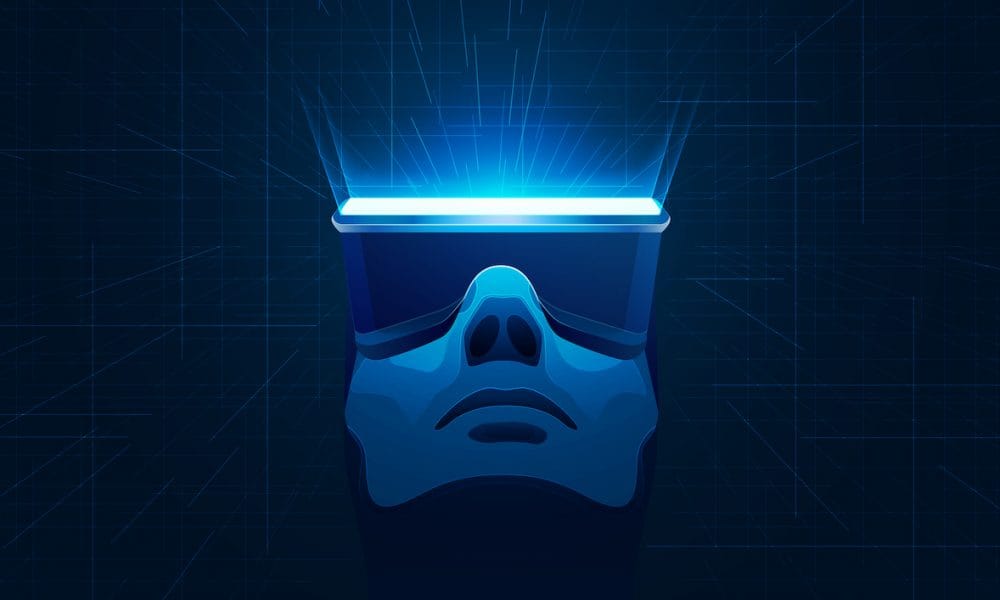
A new VR platform for brain injury rehabilitation has been created by a team of medical professionals, whose commitment to the use of technology in rehab is helping to advance thinking in the area nationally.
Brain Recovery Zone provides the resources for brain injury survivors to support their own recovery from an early stage, and increase their capability to manage fatigue, improve speech and mood and stabilise their emotions from their own home. The platform offers a safe virtual space for people to practice the habits that aid recovery in an immersive environment, of which there are 11 to choose from, ranging from the Northern Lights to the Hundred Acre Wood of Winnie the Pooh fame. Mindfulness and meditation experiences are also offered.
A new report has revealed that the number of people with brain injuries is five times higher within the criminal justice system
NR Times speaks to Chloe Hayward, the UKABIF Director and Gemma Buckland, the Director of Do it Justice, about what the report means and what happens next. The United Kingdom Acquired Brain Injury Forum (UKABIF) and the Criminal Justice Acquired Brain Injury Interest Group (CJABIIG) have welcomed a report by the Criminal Justice Inspectorates. The report examined their evidence of neurodiversity within the criminal justice system.


