



Care & services
 Care & services8 Jul
A new £5million state-of-the-art specialist care home has been opened by Exemplar Health Care.
Wykewood has been opened in Wyke, Bradford, and is the first care home opened in the area by Exemplar Health Care, which provides specialist nursing care for adults living with complex needs. The home will support up to 40 adults and specialise in supporting people living with complex mental health needs, neuro-disabilities, brain injuries, spinal injuries, Huntington’s disease and complex dementia. Exemplar Health Care supports some of the most complex and acute individuals, who would often be in a hospital setting if not placed with them, enabling them to stay in the community and reducing hospital and secure facility admission.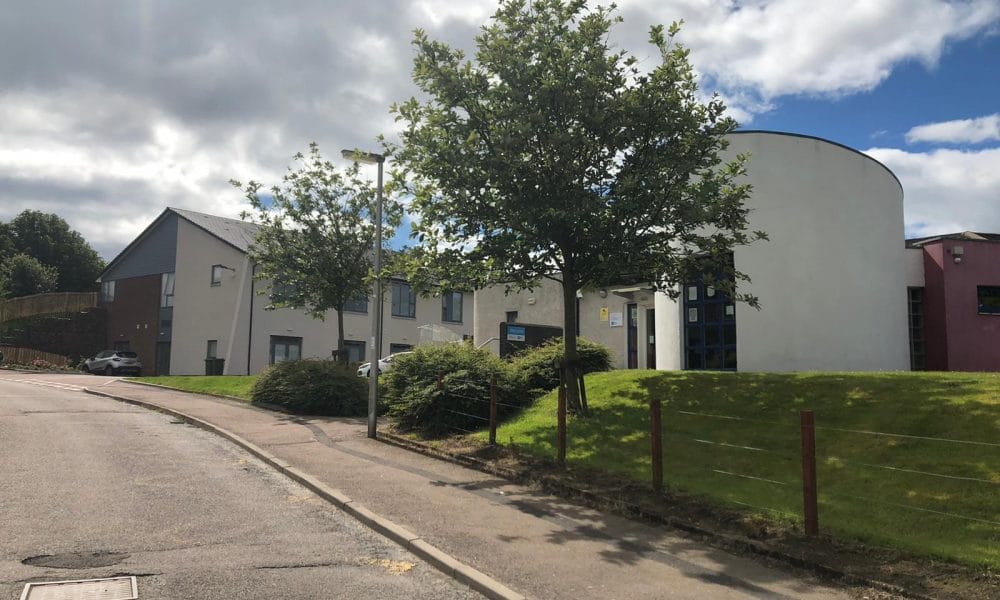 Care & services1 Jul
A specialist care centre has doubled its capacity to 44 beds after raising over £3.9million through its capital appeal.
Sue Ryder Neurological Care Centre Dee View Court is Scotland’s only purpose-build neurological care centre and its expansion brings more badly-needed provision in specialist care to the country. The centre, in Aberdeen, has increased its capacity from its initial 22 beds through converting unused areas of the existing building into new bedrooms and creating a four-bedroom garden annexe and new double storey annexe. In total, 14 new en-suite bedrooms and six apartments have been developed. The Dee View Capital Appeal was launched in June 2017 to fund the expansion of the centre, to deliver on Sue Ryder’s ambition to deliver more care to more people in Scotland and the UK living with neurological conditions and acquired brain injury. Brain injury30 Jun
Speaking at Calvert Reconnections’ recent Zoominar for case managers and solicitors, activity lead Rob White made a compelling case for rehabilitation in the great outdoors
“The use of outdoor activities makes our rehabilitation service unique,” said Rob. “Working with leading clinicians and academics, our service combines traditional multi-disciplinary clinical therapies with physical activity in the outdoors to support individuals in their recovery from brain injury.” Rob brings over 20 years’ worth of outdoor coaching experience to the Calvert Reconnections team. He has always been a strong advocate for using outdoor activities to facilitate personal development and this underpins his practice. In 2018, he qualified with an MSc in Psychology. He researched the influence of rock climbing on people’s mental wellbeing and this highlighted the transformative potential of the outdoors. Rob uses his knowledge when designing and delivering programmes, focusing on maximising wellbeing by using adventurous activities and the outdoor environment.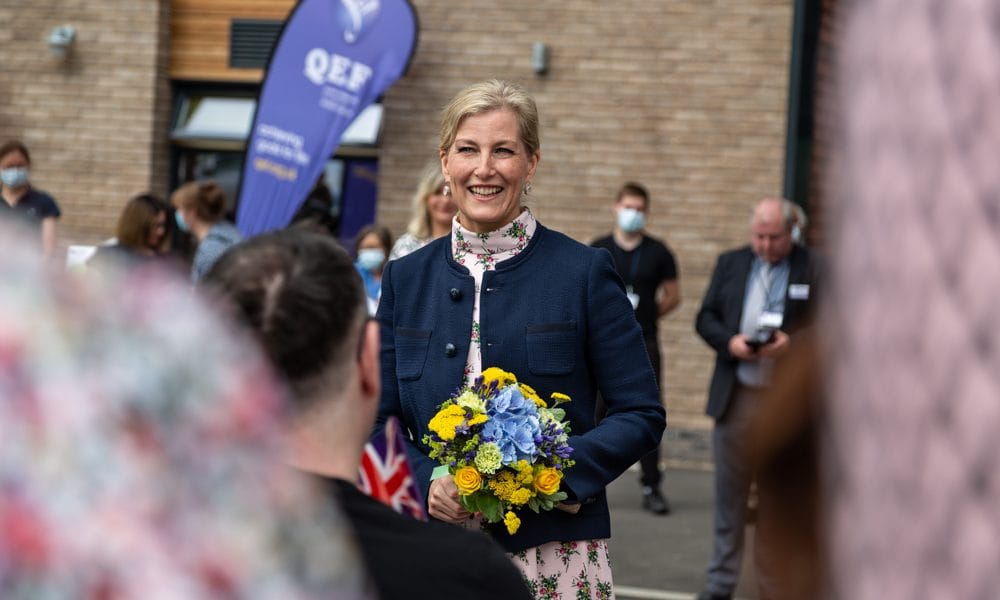 Care & services30 Jun
A state-of-the-art neurorehabilitation centre has been officially opened by HRH The Countess of Wessex.
The Care and Rehabilitation Centre (CRC), operated by disability charity Queen Elizabeth’s Foundation for Disabled People (QEF), offers specialist expertise to support people to rebuild their lives after an acquired brain injury, stroke, incomplete spinal injury or other neurological condition. The service opened during the pandemic in July 2020 and Her Royal Highness was keen to speak to staff about their experiences of the last year and the challenges of providing person-centred therapy and care to people straight from hospital and sometimes straight from Intensive Care. The team at the CRC have worked tirelessly during the pandemic, expanding the number of NHS Trusts and Clinical Commissioning Groups the service supports, so they were able to accept patients directly from hospitals across the South of England. Care & services24 Jun
Plans for a new purpose-build 40-bed centre in York to support people with acquired brain injury (ABI) have been revealed.
The Disabilities Trust has unveiled plans for a new centre with four wards and step-down flats to support service users in gaining greater independence. The charity, which supports people across the UK with a host of disabilities, has operated an ABI service in York for over 20 years. However, its home to date, The Retreat, on Heslington Road, is being forced to close - but its new plans would ensure The Disabilities Trust is able to retain its services in the city. The development of the site - which to the south of York’s iconic The Residence at the Chocolate Works, regenerating the site of its traditional chocolate factories - into an ABI centre would also help to safeguard around 145 mental health jobs.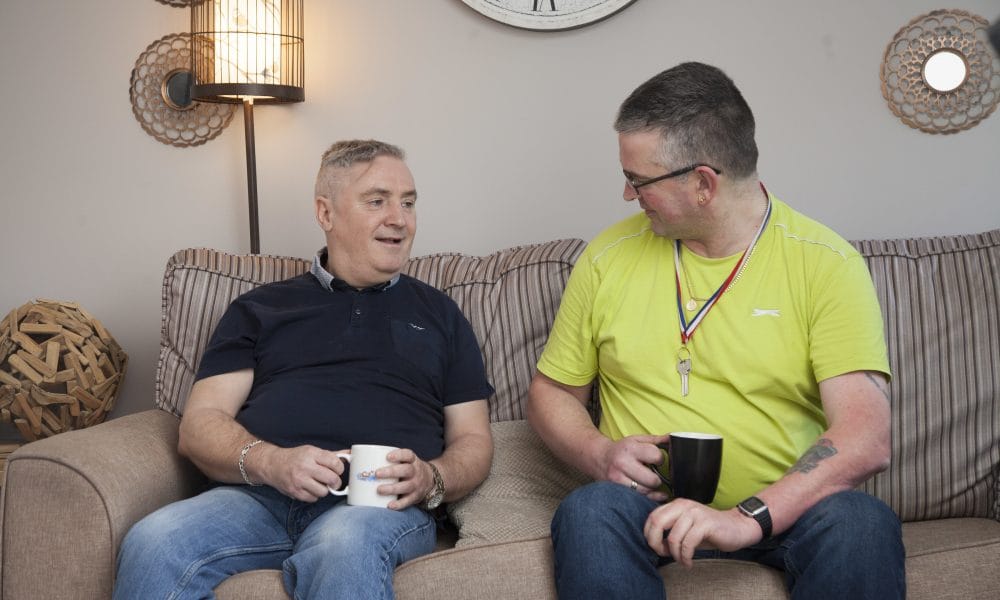 Brain injury22 Jun
People who have had a brain injury can experience some changes in their emotional reactions, such as personality changes, mood swings, depression, anxiety, anger and post-traumatic stress disorder. Here, Julie Booth, head of quality at Exemplar Health Care, talks about the emotional effects of a brain injury and how the care provider supports people through the recovery process
When someone experiences a brain injury, it’s often completely life changing - a person’s role in their workplace, social group and family is affected, which can leave them feeling unsure of who they are and what their place in life is. It can also have extensive cognitive impacts, leaving an individual confused, frustrated and unable to comprehend what’s happening around them or why. This can result in changes to mood, behaviour and emotional responses - some people might become angry and aggressive, some people can become anxious and stressed, and others may become depressed and withdrawn. It’s important to remember that there’s no right way to feel or respond following a brain injury, and that all responses are valid.- Brain injury21 Jun
A groundbreaking neurorehabilitation centre is today opening its doors, bringing a new dimension to brain injury rehabilitation in the UK.
Calvert Reconnections, the UK’s first intensive acquired brain injury (ABI) rehabilitation centre which offers a unique approach to rehab for its residents, is now open after having to previously delay plans due to the COVID-19 pandemic. The centre, on the outskirts of Keswick in the Lake District, offers the first residential programme of its kind, combining traditional clinical therapies with physical activity in the outdoors. “The opening of our new centre is the culmination of years of meticulous planning by the Lake District Calvert Trust. It is a landmark moment for the ABI rehab market and for us,” said Giles Mounsey-Heysham, chairman of the Lake District Calvert Trust (LDCT) trustees.  Care & services18 Jun
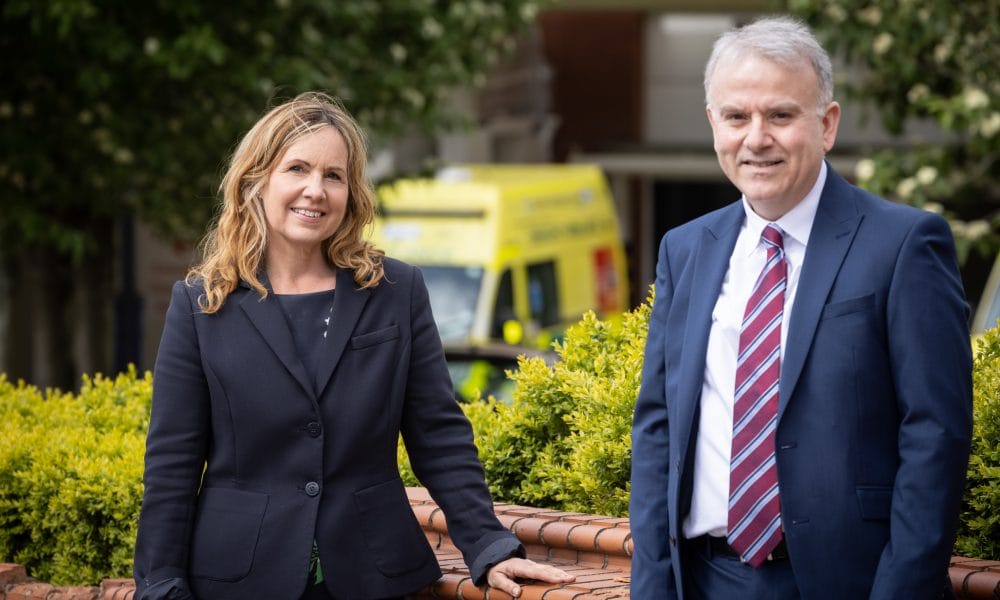
A Royal Air Force veteran who sustained a significant brain injury and overcame “testing hurdles” on the road to recovery is now making strong progress with the unwavering support of his son. Herbert Martin, an 85-year-old from Littleport, near Ely, sustained a brain injury following a fall in October 2020 and went on to make a remarkable recovery – highlighting the rapid progression specialist rehab therapy can offer. A former RAF serviceman of 12 years, which included deployments to Cyprus, Australia, Pakistan and Singapore, Herbert was admitted to Askham Rehab on New Year’s Eve 2020 after suffering a subarachnoid haemorrhage that caused a bleed between his brain and skull. The severity of the injury left Herbert extremely fatigued and resulted in muscle weakness that restricted his mobility. His condition upon arrival at Askham was so critical it was initially feared he wouldn’t recover enough to return home and live independently.
 Care & services17 Jun
A charity which supports seriously injured people from the earliest stages of their recovery is rolling out its services in new regions following its national launch last month.
Day One Trauma Support offers financial, emotional and legal support to patients and their families, and was originally based at Leeds Teaching Hospitals NHS Trust. Its support will now also be offered in the Major Trauma Centre at Aintree University Hospital, with rollout into more of the country’s 27 Major Trauma Centres also planned. The charity is launching a fundraising drive during July to help raise vital funds for the expansion of its services, with over 100 people committing to each cover 75 miles to raise money - the distance marking the journey between Leeds and Aintree. Dementia7 Jun
The COVID-19 pandemic has presented unique challenges for people living with dementia, as well as for those who support them. Tracey Carter, senior quality manager (dementia care) at Exemplar Health Care, shares how colleagues across the company have found innovative ways to support people living with dementia to stay safe and well, and uphold the principles of person-centred care
It’s vital that health and social care workers, other professionals and family carers continue to take a person-centred approach to care during the pandemic, to support people with dementia to maintain, and enhance, their health and wellbeing. Putting people first There are currently around 850,000 people living with dementia in the UK, each with their own unique personalities and life stories. Everyone will experience the pandemic and its effects differently, which is why it’s important to maintain a person-centred approach.


