



Care & services
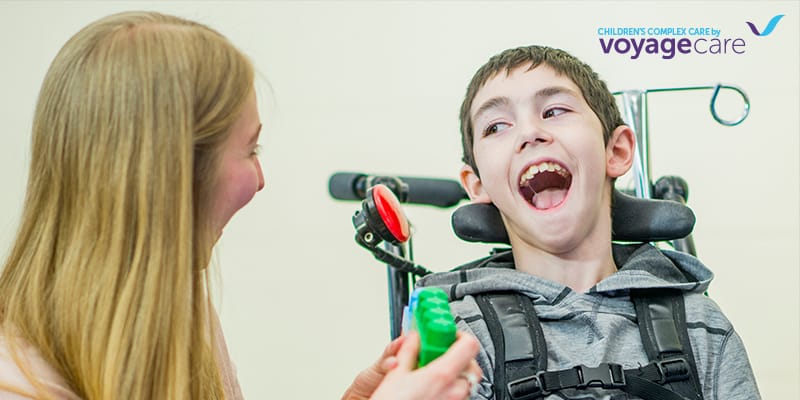
A specialist children’s care provider is rebranding and expanding its service offering.
Focused Healthcare has become Children’s Complex Care Limited, which will build further on its work in supporting children and young people aged up to 25 with complex care needs in Greater London and the surrounding counties. Its nurse-led, personalised care at home service enables young people to live with their families in their own communities, and supports them in doing so. The rebrand also creates the opportunity to expand service offering, with the business speaking of its aspirations to create a specialist children’s autism offering and the development of a unique child to adult services transition pathway in the future. Long COVID2 Jun
A specialist rehabilitation centre is extending its reach to accommodate Long COVID patients, as cases continue to rise and brain injury-like symptoms become more closely associated with the condition.
Uplands Rehabilitation Centre is supporting growing numbers of people with Long COVID, using its ten years of neurological rehabilitation experience to devise bespoke plans for people battling its effects. Recent statistics from the Office for National Statistics (ONS) suggested that 1.1 million people in the UK were affected by the condition in the four weeks from February 6, with about one in five people showing symptoms of Long COVID five weeks after an initial infection, and one in seven after 12 weeks. Stroke24 May
A new £1m state-of-the-art rehabilitation unit in North East England has opened to help boost the chances of recovery for stroke patients.
The Jubilee Acute Stroke Rehabilitation Unit at the Queen Elizabeth Hospital in Gateshead has been specifically designed for the needs of stroke patients, and will provide active rehabilitation to support such people. Patients will be encouraged to engage in activities and exercises designed to promote recovery and independence, including daily self-care tasks, walking, making drinks and breakfast, social activities, and communication and cognitive tasks – all of which are known to enhance the odds of recovery after stroke. Brain injury21 May
Work has begun to bring a landmark neurological research and treatment centre to reality.
The UCL Neuroscience centre of excellence will be home to three bodies: the world-leading UCL Queen Square Institute of Neurology; the headquarters of the UK Dementia Research Institute, the single biggest investment the UK has ever made in dementia; and the UCLH National Hospital for Neurology and Neurosurgery (NHNN), which is the UK's largest dedicated neurological and neurosurgical hospital. Clinical work and research will take place together within the new facility, at 256 Grays Inn Road in London, enabling an active dialogue between people with neurological disorders, their doctors, and researchers. Care & services20 May
Exemplar Health Care, a specialist nursing care provider for adults living with complex needs, has officially opened its £2.9 million state-of-the-art complex needs care home in Hull.
Marmaduke is Exemplar Health Care’s second home in East Yorkshire. The home will provide person-centred care and rehabilitation for younger adults who have a neuro-disability, acquired brain injury or complex mental health needs, including those who display behaviours of concern. A place to call home Marmaduke has the facilities to provide specialist nursing care for people living with a neuro-disability or neurodegenerative disorder.
  Care & services17 May
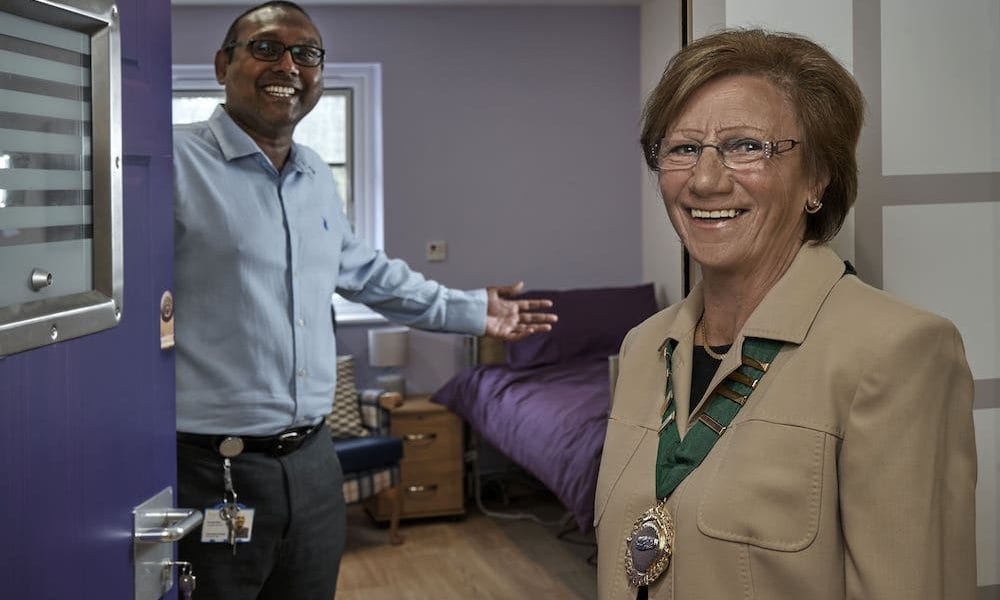
A hospital unit has received the official seal of approval after its recent expansion.
Carol Bryant, Chair of Langstone County Council, has been a long-time supporter of St Peter’s specialist mental health hospital and after a negative Covid test was welcomed to the site to see first-hand the new facilities on offer. The hospital, which is owned and run by specialist healthcare provider Ludlow Street Healthcare, is a person-centred assessment, treatment and care centre for men and women with degenerative neuropsychiatric conditions and Acquired Brain Injuries (ABI). The hospital has increased its capacity by 12 beds to 51 across single-gender units, which provide specialist treatment and nursing care that focuses on delivering positive outcomes for patients and their families.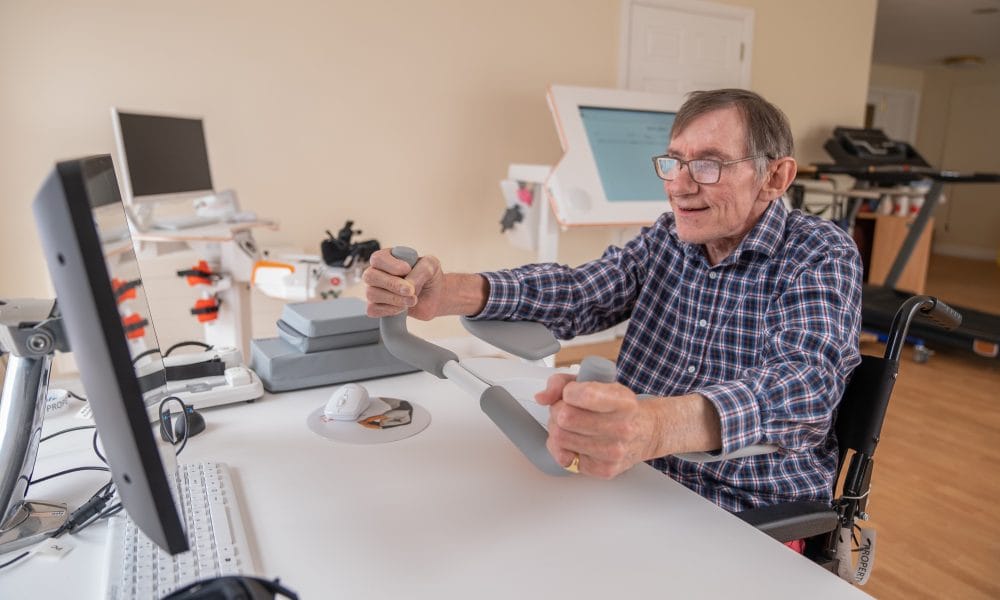 Care & services14 May
A man who was left with severe mobility issues after a spinal injury is making strong progress through specialist rehabilitation.
Justin Urquhart sustained degeneration injuries to his neck and lower spine that subsequently developed into an infection in 2020. In addition to cervical spinal stenosis, an area in the neck where the space around the spinal cord becomes narrowed and puts pressure on the nerves that travel through the spine, Justin also experienced discitis in the two lowest vertebrae of his lumbar spine (L4 and L5). The inflammation between the intervertebral discs led to the bacterial infection that caused 59-year-old Justin’s loss of mobility.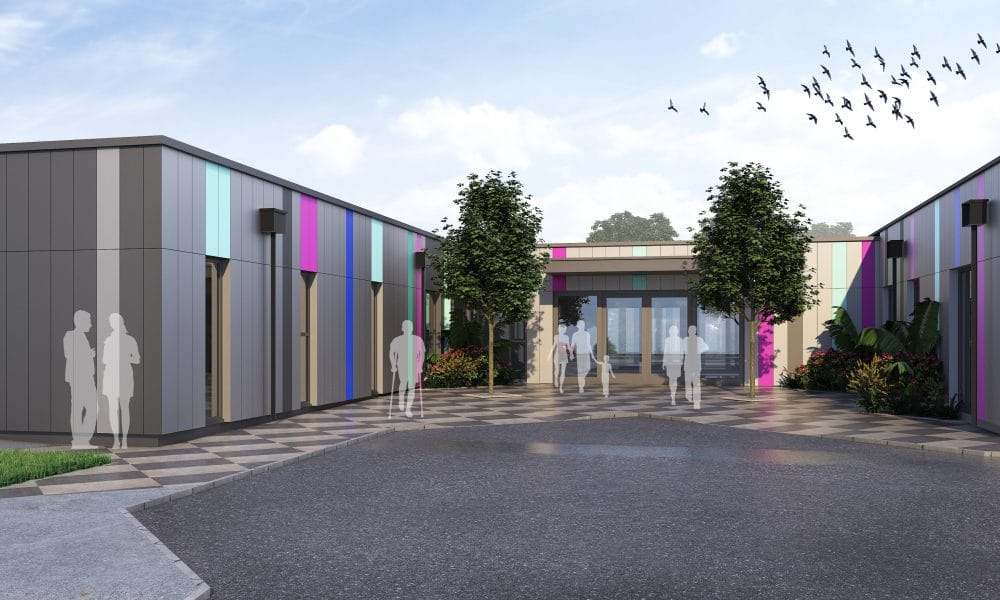 Care & services13 May
As the new Castle Hill Hospital rehab ward gets set to open, NR Times speaks to Dr Abayomi Salawu, whose dedication to achieving goals through rehab, and passion for using VR and AR within it, is putting Hull at the forefront of the UK
A new NHS rehabilitation centre, which will be the first in the UK to incorporate digital technology and virtual reality into its rehab offering, is set to open its doors. The purpose-built ward at Castle Hill Hospital in Hull will have 12 beds and has a range of facilities, including a gym, therapy room and garden area, to enable a comprehensive rehab offering to be delivered. Brain injury12 May
A groundbreaking neurorehabilitation centre is helping to plan for its future even before its opening through strengthening its management team.
Calvert Reconnections is set to open on June 21 and is set to deliver new possibilities in brain injury rehabilitation through its UK-first residential programme which combines traditional clinical therapies with physical outdoor activities. The centre, based on the outskirts of Keswick in the Lake District, is now making new additions to its senior team as is prepares for its long-awaited opening, which has previously been delayed due to COVID-19.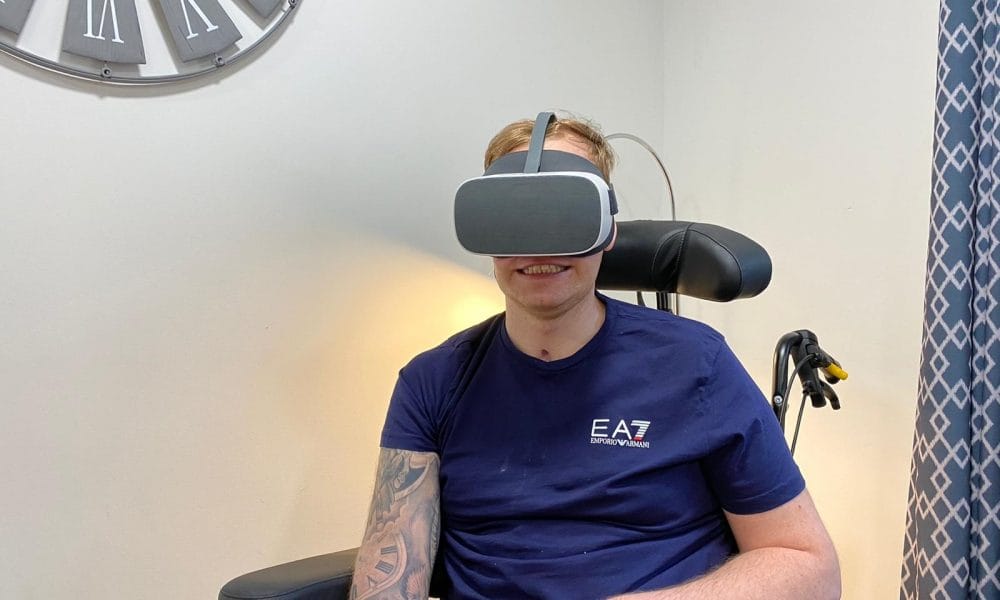 Tech & industry11 May
Having fun in the snow and touching the clouds are some of the ways that residents at Exemplar Health Care’s Ribble View care home are using virtual reality technology to relax during lockdown. The team at Ribble View, alongside experts from Rescape Innovation, have been using virtual reality (VR) technology, DR.VR, to support therapy sessions in the home in Preston. This is part of Exemplar Health Care's commitment to investing in the latest life-enriching technology to make every day better for their people.


