



Care & services
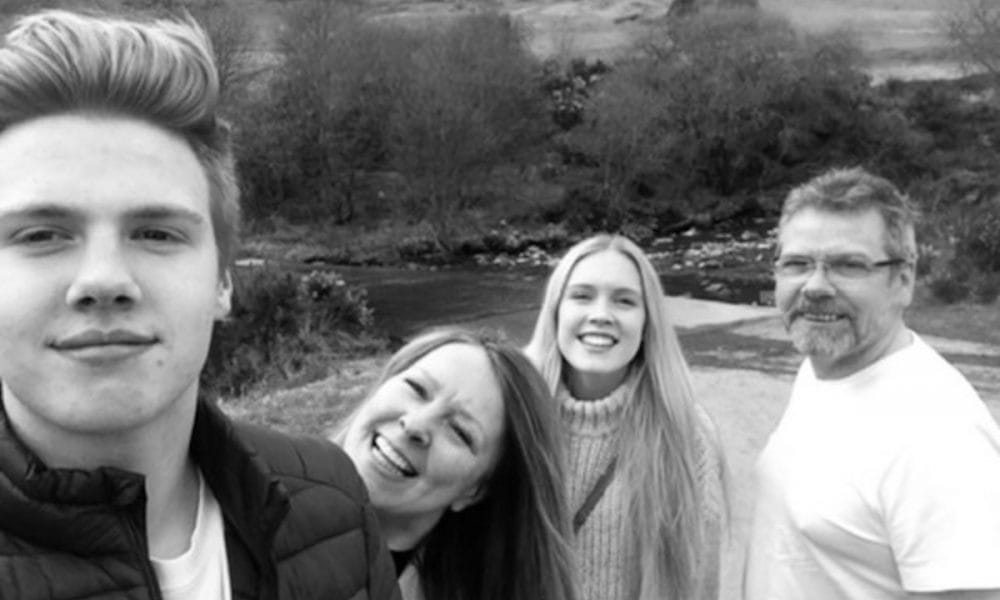
A family whose beloved husband and father had a stroke are fundraising for the neurological centre where he currently resident, after being impressed by the “amazing” standards of care.
Fraser Millar needed life-saving brain surgery in November last year and is now in Woodlands Neurological Care Centre in York, receiving intensive rehabilitation to aid his recovery. Woodlands, a level two neurorehabilitation centre which is part of Active Care Group, specialises in maximising recovery and independence and sets patients rehabilitation goals that promote re-enablement and enhance quality of life.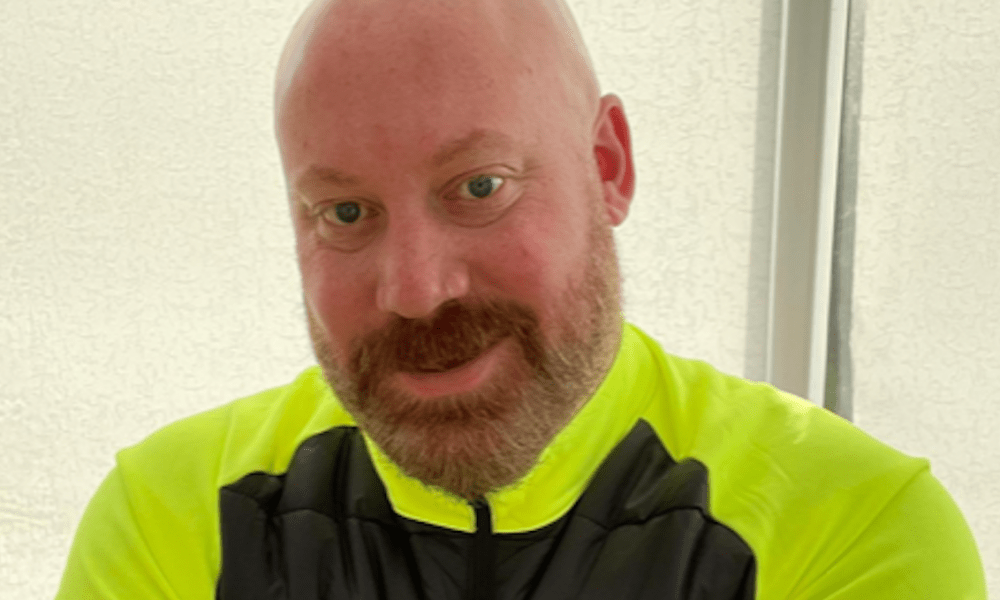
After Craig Pankhurst had a stroke, he saw the need to promote a greater positive outlook amongst survivors. Here, the successful former athlete and businessman discusses his new venture - A Stroke of Luck, a charity dedicated to post-stroke exercise-based recovery - and why survivors need their very own A Teams.
With a background as an elite international swimmer and successful business owner, it’s little surprise that Craig Pankhurst is pushing forward his latest venture with the drive and determination which have been the staples of his professional life so far. But his latest venture is one with a difference - far from the high-pressured worlds of top-level sport and corporate demands, Craig is now creating significant momentum around a charity which seeks to support people in rebuilding their lives after a stroke.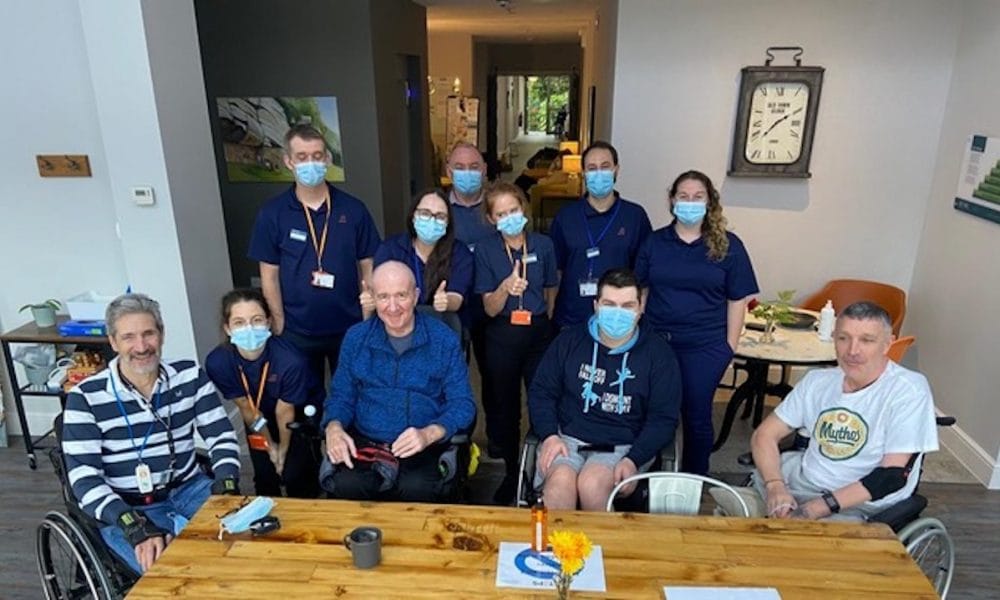
As the roadmap out of lockdown is revealed, many are daring to see the light at the end of a long and dark tunnel, after months of huge challenges for neurorehab centres. Here, Jules Leahy at STEPS reflects on many difficult months and discusses how optimism is returning.
“The early days of the pandemic were very scary for centres like ours. With little access to PPE, we had to resort to making our own out of bin bags when supplies just weren’t coming through, and sourcing our own was hugely expensive as it was so in demand. We also had to fight hard to avoid COVID getting into the centre, which could have caused a deadly outbreak among our clients, all of whom are very vulnerable.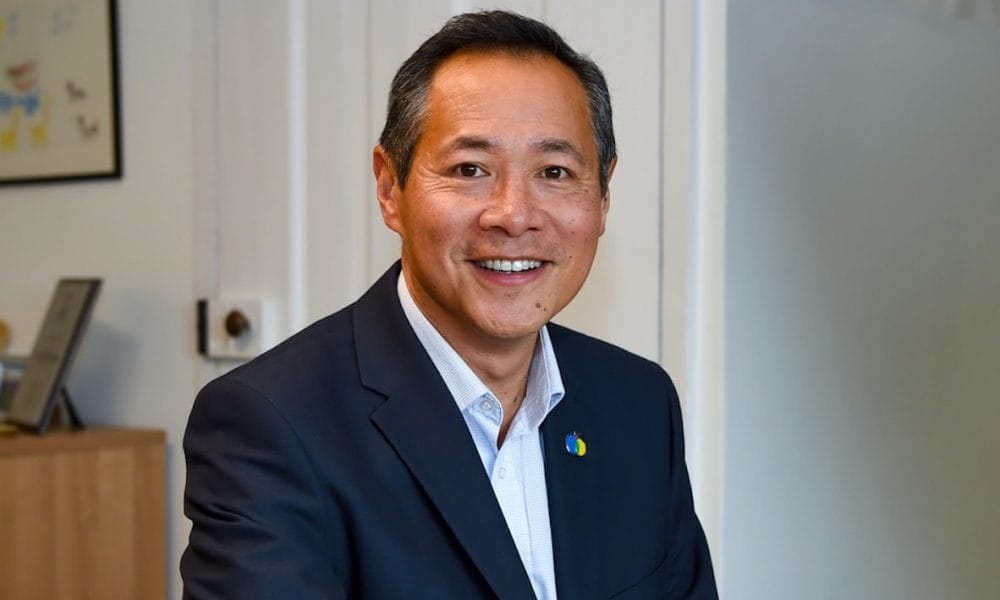
A charity which supports children with brain injuries and their families is investing in the future of its operation by introducing new facilities and services, alongside expanding its community offering into new areas of the country.
The Children’s Trust has revealed plans to create a state-of-the-art centre of excellence on its site in Tadworth, Surrey, replacing its current school, which will help support the education, health, care and therapy needs of each young person who needs its services. As part of its five-year strategy, the charity is also aiming to introduce five new services by 2024, the first of which will be its use of robotics and digital transformation.
With the creation of a ‘visiting pod’ - a specially-built room with a perspex screen - patients at Woodlands Neurological Rehabilitation Centre have been able to enjoy precious meetings with their loved ones during lockdown in the security of COVID-19 safe surroundings.
“We have tried so hard to be reactive to patients’ needs throughout the pandemic and the fast-changing situation, and were all too aware that visits from families are vital for their mental wellbeing,” reflects Dr Marina Platts, clinical director at Woodlands, in York. “We had some workmen in the building at the time, so wondered whether we could create a little place where families and patients could get together in a safe way. “Through the creation of our visiting pod, that was allowed to happen, at a time when most other places couldn’t accommodate it. Thankfully, through us having a side entrance right next to the pod, families could come and go without coming into contact with anyone else.
In April last year, due to a rare neurological disorder, Barry Whaite could only move his head independently. But by the time the country emerged from the first lockdown in August, he had regained the ability to walk. Here, he shares his story.
“I had initially been suffering from a chest infection and was taking antibiotics and steroids, as prescribed by my GP. I was not improving and eventually I fell a couple of times, then on 17 February last year, I was unable to stand up. An ambulance came and took me to the Royal Preston Hospital, where after an MRI, a CT scan and a lumbar puncture, I was diagnosed with Guillain–Barré Syndrome (GBS). I was given an immune therapy drug to stop the illness progressing to my lungs. I was now totally helpless, needing a hoist to move me.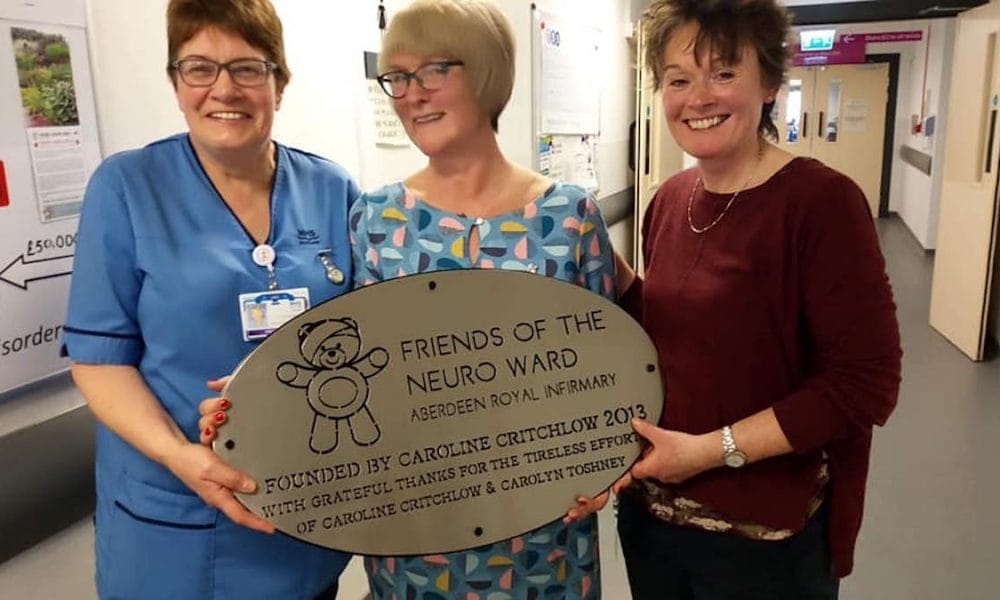
The neuro ward at Aberdeen Royal Infirmary has a new lease of life thanks to the wife of one former patient, who was inspired to act by how underfunded it was. Now, Caroline Critchlow is turning her fundraising attention to another neuro centre, with plans to create a therapy garden
Although it was back in 2013 that her husband underwent major brain surgery, Caroline Critchlow remembers it like it was yesterday. Not just for the understandable trauma, anxiety and distress caused by your husband undergoing a 22-hour operation, the longest ever performed at Aberdeen Royal Infirmary - but equally for the state of the hospital neuro ward, which will forever be ingrained in her memory. “It was in a terrible state. The day room was in dreadful condition, which is the place relatives like me waited, and where patients took a break away from their beds. When you went to the loo, the toilet seat was cracked; the lino was held together with tape; the coffee table was broken; the wallpaper was peeling off,” recalls Caroline.
Specialist care provider Sue Ryder is making significant investment in neurological care as it continues to develop its offering.
The group has four specialist neurological care centres across England and Scotland, one of which is newly-built to increase provision in its area, and another doubling capacity in recent months to accommodate growing demand. In addition to ongoing investment in its centres, Sue Ryder is looking to increase support for outpatients with expansion of its Care at Home service being considered, building on the success of its outreach home care model in Scotland.
Visitors from across the world will join an array of global speakers at a major event in caring for young people with brain injuries.
The fourth National Paediatric Brain Injury Conference, organised by The Children’s Trust - which provides residential and community care for children with neurological injuries and disabilities - is to be held online due to the ongoing impact and implications of COVID-19. And while the pandemic will prevent the Connections and Collaborations being held in person, the decision to take it online means it can attract an audience far beyond its base in Tadworth, Surrey. The event, on February 4, brings together some of the neuro sector’s leading clinical professionals to explore some of the fundamental elements involved in a child’s recovery following an acquired brain injury.
For Leanne, who has MS, the opportunity to gather with loved ones on Christmas Day is one she feels she must decline. Here, she shares her reasons for choosing to be lonely this Christmas.
Christmas is my favourite time of year, and ordinarily I’d be out celebrating, seeing friends and family, and planning something really fantastic to see in the new year. But like for so many other people, 2020 is going to be so different. I’ll be completely on my own. And while under normal circumstances that would be the most heartbreaking Christmas I could imagine, this year it is undoubtedly my best option. At least, that way, I’ll still be here to enjoy 2021 and the years beyond that.


