



Care & services
 Stroke4 May
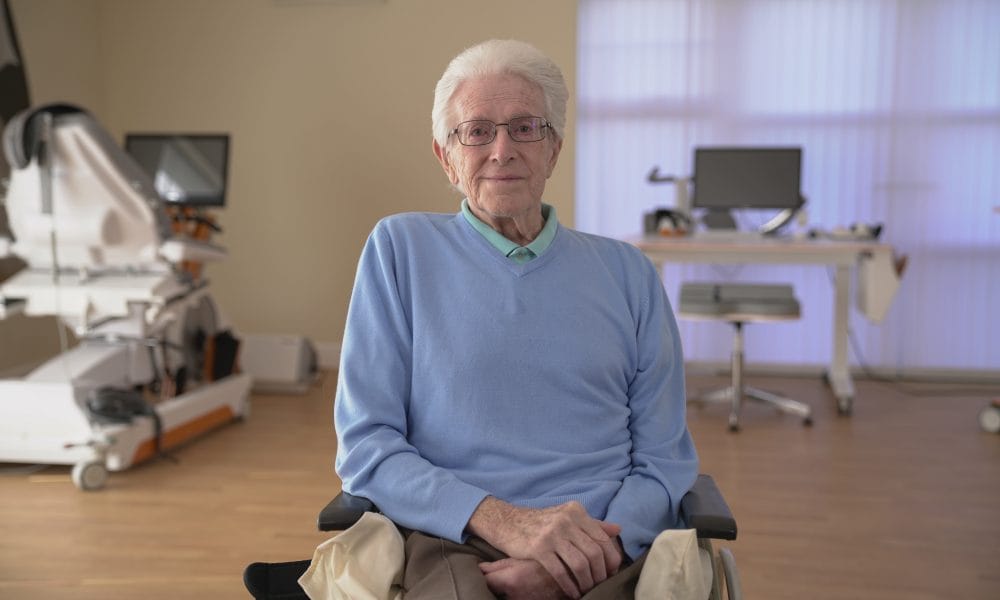
After 88-year-old Philip Haines had a stroke and lost mobility in his left side, his bespoke rehabilitation enabled him to regain his independence. Here, to mark Stroke Awareness Month, he shares his story of recovery
“I’ll be forever grateful.” For 88-year-old Philip Haines, who lost mobility in his left side following a stroke, his thanks to those who helped him regain it are limitless. Philip, former secretary to the Anglican Diocese of Peterborough, admits being “hit for six” after his stroke, which was caused by a blood clot in his brain. His cerebral infarct left him with dense left hemiplegia, meaning he was unable to move his left arm and leg. While the blood clot was successfully removed, the stroke left Philip with cognitive challenges and difficulty in swallowing. Brain injury4 May
Two groundbreaking outdoor therapy centres to support people with brain injury and disabilities are opening their doors on June 21, it has been confirmed today.
Calvert Reconnections, a neurorehabilitation centre which has developed a first-of-its-kind residential brain injury programme, is to open for the first time next month. Based on the outskirts of Keswick in the Lake District, the centre’s opening has been eagerly awaited nationally - although has been delayed due to COVID-19 - with its combination of traditional clinical therapies with physical activity in the outdoors providing new possibilities in brain injury rehabilitation.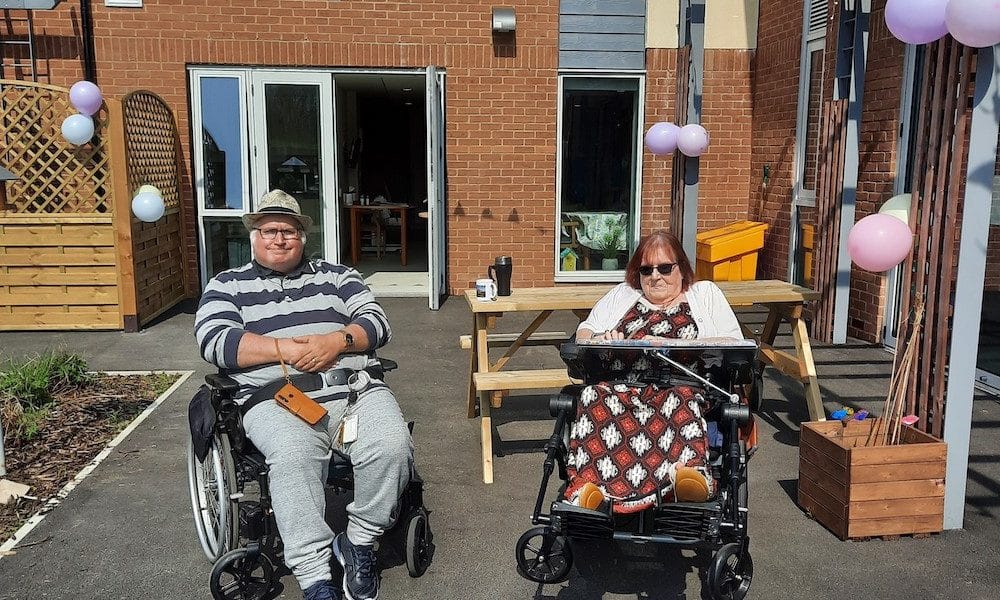 Care & services29 Apr
Having opened a new purpose-built neurological care centre at the height of the COVID-19 pandemic, the team at Sue Ryder Neurological Care Centre Lancashire were able to celebrate its first anniversary in rather less trying circumstances.
The centre first opened its doors on April 20 last year, only weeks after national lockdown was imposed, to help bring much-needed specialist neurological care provision and relieve pressure on the NHS frontline. While the centre - which had been in the planning for 15 years and was subject to an 18-month construction and development project - had initially anticipated welcoming patients later in the year, its speedily-delivered opening meant it was able to take neuro patients out of hospitals to begin their specialist rehabilitation at the earliest opportunity.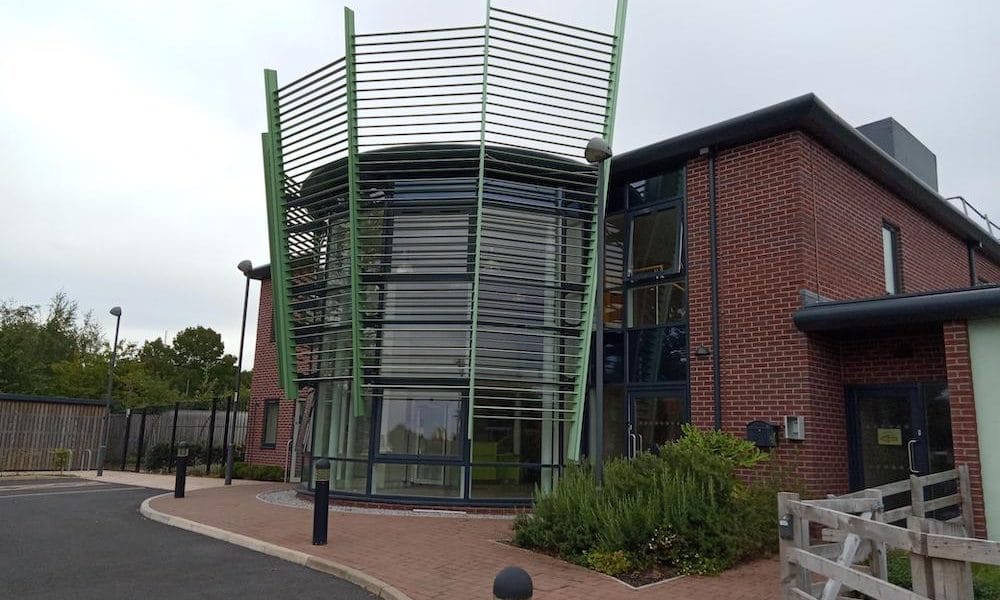 Care & services22 Apr
A care operator has expanded its brain injury rehabilitation provision through the opening of a new centre, marking an investment of £4million for the business.
Voyage Care has created a flagship centre in Manchester, bringing much-needed further resource to the area with the creation of 24 new beds. Devonshire House is a mile from Manchester city centre, and adds further to Voyage’s portfolio in the area, with other services running in Bury and Burnley. The centre will accommodate a wide range of rehabilitation needs, with eight active rehab beds, eight long-term beds and eight transitional flats. Care & services15 Apr
End-of-life care after stroke and how current practice can be improved is being investigated in a new landmark study. Hospital stroke units across the UK will be assessed to establish their current end-of-life care approach, and the views of health professionals, alongside patients and families will be sought in formulating the recommendations for best practice. [...]
 Care & services14 Apr
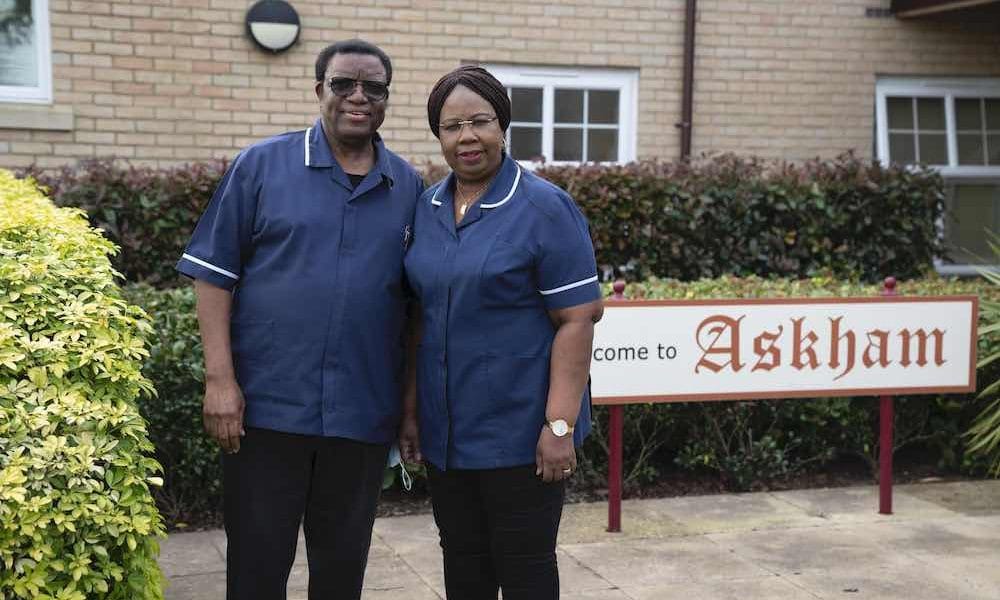
Two nurses from a care and rehab community are using their 20 years of experience with the provider to open a specialist care centre in their native Nigeria.
Isaac and Nikki Ajibade, two of the longest-serving members of staff at Askham Village Community, are establishing an 18-bed centre in Nigeria which will provide nursing and dementia care, with future plans to expand into neuro support. The couple are using Askham’s community approach in creating their own centre, and will use their two decades of experience with the provider to help them establish and develop their new project.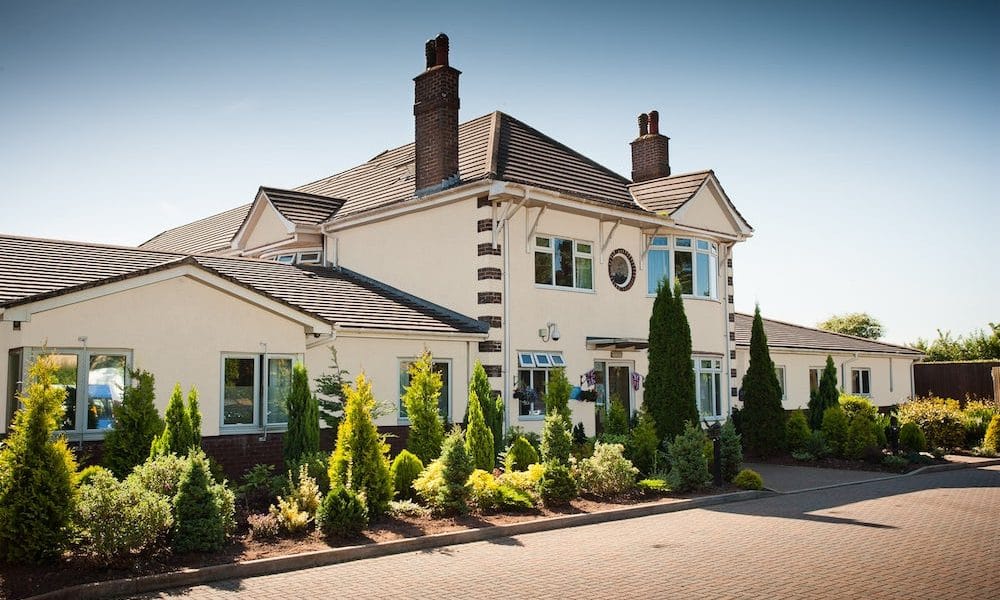 Care & services6 Apr
A hospital which supports people with brain injuries and degenerative neuropsychiatric conditions has invested to increase its capacity, bringing a further 12 much-needed beds.
St Peter’s Hospital in Newport now offers 51 beds across single-gender units, which provide person-centred assessment, specialist treatment and nursing care for men and women. The additional beds come after a significant investment from specialist care provider Ludlow Street Healthcare, which owns and runs St Peter’s Hospital. Care & services29 Mar
A new entrant to the UK’s neurological care field is planning continuing expansion after acquiring its first four sites.
Renovo Care was formed late last year through the purchases of two specialist neuro care centres - Glenside Hospital, near Salisbury, and Hollanden Park Hospital in Hildenborough, Kent - alongside two residential services, Victoria House in Farnborough and Swanborough House in Brighton. Now, with the appointment of chief executive Peter Kinsey, the group is looking at further additions to its specialist portfolio, as well as investing in its current sites and offering. Care & services22 Mar
Three hospitals globally have enabled patients to continue their rehabilitation remotely through the use of groundbreaking rehab technology, which was donated for use by its creators.
The National Hospital for Neurology and Neurosurgery (NHNN) in London, Mount Sinai Hospital in New York and Fondazione Don Gnocchi in Milan have all been given use of the Evolv Rehabkit, which allows the prescription of personalised telerehabilitation activities for people to complete remotely. The initiative was a joint approach from medtech company Evolv, alongside Microsoft and ZOTAC.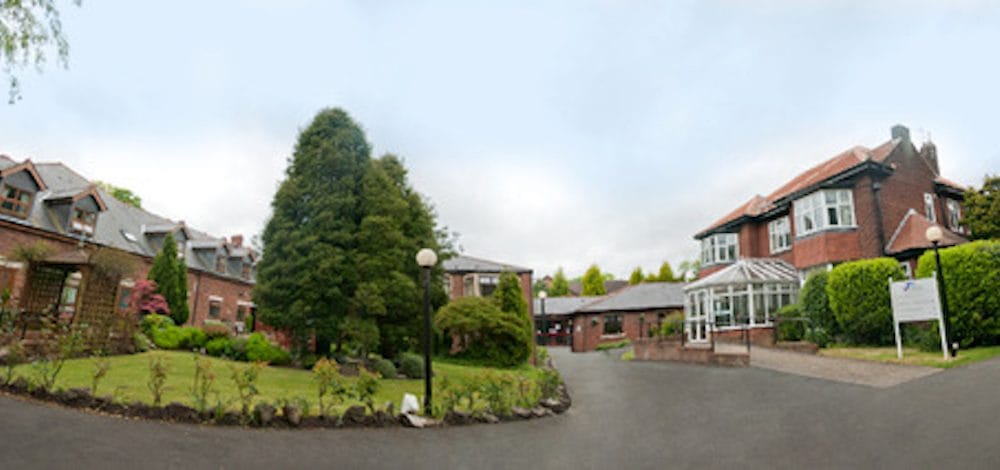 Care & services16 Mar
A specialist neurological centre is continuing to invest in its offering as it increases therapy and rehab provision for patients.
Chase Park Neuro Centre has developed its facilities over several years, with a hydropool and gym area being added in 2007 to increase therapy opportunities for residents, but efforts have redoubled since being acquired in 2016. Under the ownership of Dr Niraj Brahmabhatt, Chase Park has brought its external therapy and psychological support services in-house, with a neuropsychologist now based on site.


