



Case management
The COVID-19 pandemic has had a “significant impact” on case management practice and the lives of those living with brain injuries, early findings of a UK-wide research project have revealed.
Last year, BABICM launched a study among its members to discover the true impact of the pandemic, and how case managers and clients alike are adapting to the ongoing restrictions. The study has gathered the personal accounts of people with brain injuries across the country, and their support networks, to understand how lives and working practices have changed since March last year.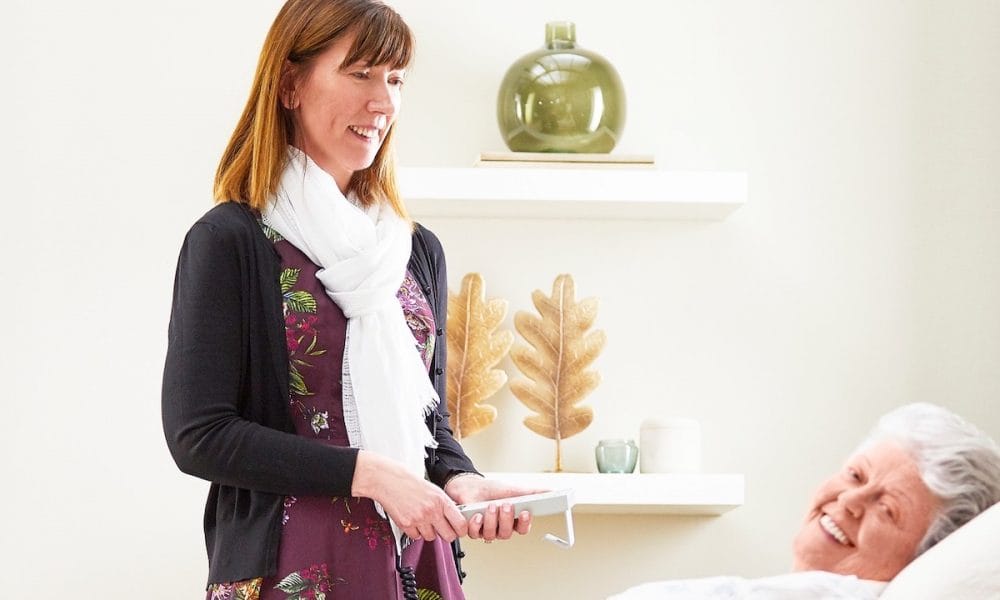
Case management has faced unprecedented challenges during the past year, which has seen it respond with positivity and agility to ensure service to its clients could be maintained. In the latest in our Q&A series, Sarah Cooke from Bush & Co shares her experiences, and how the newly-adopted telerehab will undoubtedly play a role going forward.
Can you summarise how the past few months have been for you It’s certainly been the biggest challenge of my career! But I feel proud of how we have all pulled together, in whichever capacity we work with our clients, so they have been able to continue their rehabilitation.
An event which examines the latest research, thinking and best practice in chronic pain is bringing an international audience together with leading speakers from around the world.
The second International Chronic Pain Virtual Summit is being held on Thursday and Friday next week, and offers a programme of presentations from expert speakers alongside networking opportunities for delegates. The free event has over 1,500 clinicians, case managers, insurance and legal professionals and others with special interest in chronic pain set to attend, to hear from some of the leading names in chronic pain globally.
Brain cells vulnerable to Alzheimer’s Disease have been identified for the first time, in a breakthrough scientists hope could lead to targeted treatments to boost the brain’s resilience.
It has so far remained unknown in Alzheimer’s research why some brain cells succumb to the disease years before symptoms first appear, while others seem unaffected by the degeneration surrounding them until the disease’s final stages. Now, in a groundbreaking study, the neurons that are among the first victims of the disease - accumulating toxic ‘tangles’ and dying off earlier than neighbouring cells - have been identified for the first time.
Two new Recovery Facilitation Programmes (RFP) designed to empower people to take greater control of their recovery and enable them to better manage their conditions have been launched.
Energise Health’s six-week programmes, Energise Recovery and Energise Recovery 4Life, equip both recently-diagnosed people and those living with long-term conditions with the knowledge and skills they need to make beneficial and lasting changes. Energise Recovery - for those at an early stage of recovery - and Energise Recovery 4Life - for those at least six months into their recovery journey - are online programmes that offer live teaching sessions on a range of topics, alongside practical activities and guided coursework.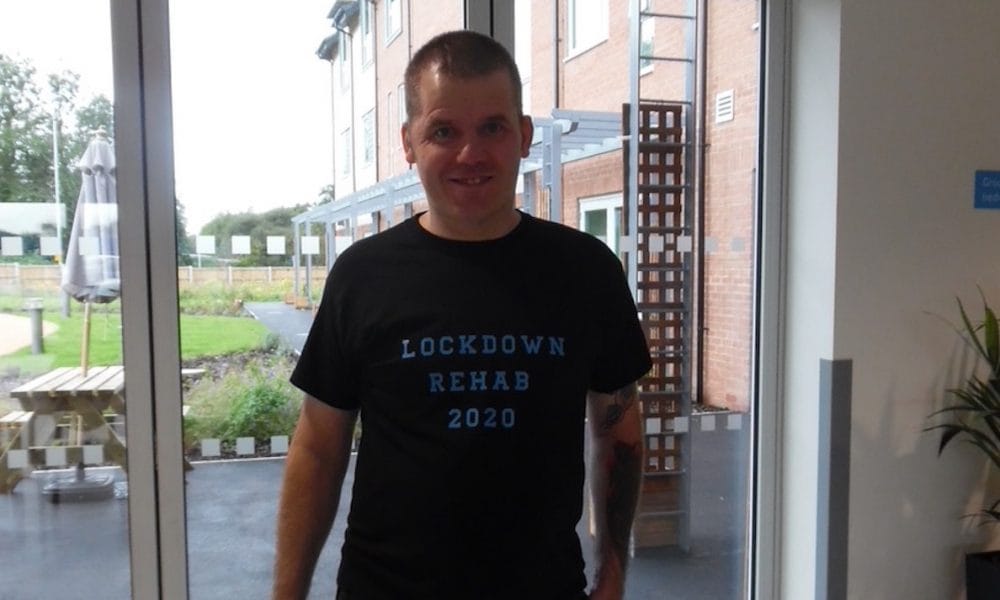
Having had a subarachnoid haemorrhage the day after full lockdown was imposed on the UK in March, Lee Atkinson faced the trauma of a lengthy recovery without seeing his family. Here, he shares his story of how he coped.
For millions of people across the country, the onset of the COVID-19 pandemic marked the start of a hugely challenging period. But for Lee Atkinson, that challenge was one of survival, after he experienced a subarachnoid haemorrhage the day after the UK went into lockdown on March 23. Having felt unwell for about three weeks, Lee, a car garage manager, was seeking medical attention for his developing situation.
Having been left with serious injuries in a cycling accident, Ian recovered from the physical impact but continued to suffer chronic pain. Here, he discusses how he has learnt to deal with it and get his life back on track.
“About two years ago, I was involved in quite a serious accident while I was out on my bike. I flew over handlebars and hit my head on the ground, leaving me unconscious. I was left with an array of injuries, including decompression of two of the disks in my spine, which needed an operation to resolve. But from being in the ambulance after my accident - the earliest point I can remember after coming off my bike - I was in enormous pain.
The Institute of Registered Case Managers (IRCM) is in the process of setting a host of stringent technical and professional standards to enable the organisation to be accredited by the Professional Standards Authority (PSA).
The IRCM will hold a register of case managers who demonstrate they comply with the standards. The creation of the IRCM is a highly significant move within case management, and aims to bring more transparency and clarity into the profession, giving greater confidence and protection to clients and fellow professionals alike. Having been in the planning stages for several years, the IRCM - which has been developed and supported jointly by BABICM, CMSUK and the VRA - is set to launch in the coming months. It is currently being presented to industry stakeholders, with a series of awareness-raising initiatives planned for case managers in the coming months.
Case management has faced enormous challenges during the pandemic, which have necessitated big changes from within the profession. Here, in the latest in our Q&A series with case managers from across the country, Jenny Webster from Westcountry Case Management shares her experiences.
Can you summarise how the past few months have been for you. The last few months have been interesting to say the least! We have had to remain up to date with all the changes in government advice, whilst supporting our clients and support workers who are all managing their own lives within the context of the pandemic.
Every aspect of neurophysiotherapy has had to adapt with the onset of COVID-19, including how students prepare for a career in the profession. Here, student Tabitha Pridham discusses her experience of a pandemic placement.
Prior to the COVID-19 pandemic, the concept of physiotherapists routinely holding sessions with clients remotely was quite unlikely. While used to some degree in a small number of practices nationally, telerehab, as it has now become widely known, was not on the agenda of many


