Insight

Daniel Thomas, managing director of Chroma, discusses further

Prof Rudi Coetzer, clinical director at Brainkind – the UK’s largest brain injury charity – spoke to NR Times about the neuro-behavioural approach to treatment. He explained how it addresses patients’ social behaviour and their ability to adapt to changing situations through the use of repetition, practice, feedback, and compensation as well as its benefits [...]

By Norman Putzki (MD PhD), global head development neuroscience and gene therapy at Novartis.
Over the last 30 years, remarkable progress has been made in the advancement of treating multiple sclerosis (MS), a potentially disabling disease that is most likely a consequence of complex autoimmune dysfunctions in the periphery ultimately leading to demyelination in the central nervous system (CNS).
Since 1993, a series of insights has led to greater understanding of the biological mechanisms and triggers driving the inflammatory attacks on the CNS.
These translational insights have also driven the development of newer and more effective treatments in MS.

The UK Government's long-awaited ABI Strategy has the potential to transform brain injury care across the country. However, many remain sceptical of what the regulations can actually deliver. In this exclusive webinar, four expert panellists reveal what they would like to see and address some of the potential challenges ahead. Featuring Deirdre Healy, Serious Injury [...]
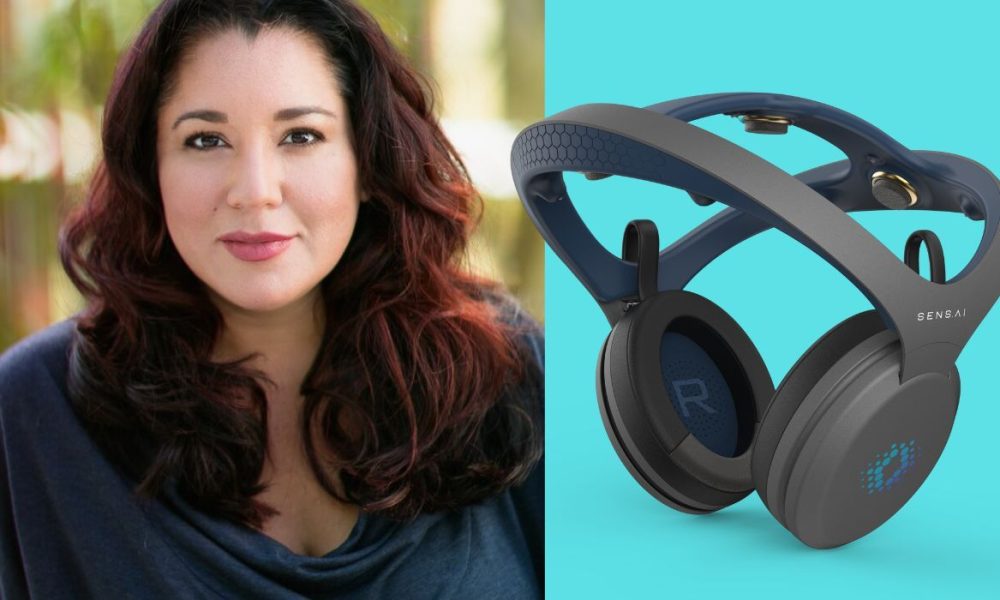
Neurofeedback has been used since the 1960s, becoming a mainstay in the world of alternative medicine but 50 years on, the method is yet to be accepted by mainstream science. Now, tech companies are bringing the divisive brain training method into the home. Earlier this year at the 2023 Health Optimisation Summit, a Canadian tech company unveiled a device that it says can optimise the brain and help you control your state of consciousness. The technology is underpinned by the concept of neurofeedback, a non-invasive method for consciously training and controlling brainwaves. Recordings of brain activity – or electroencephalograms (EEG) – are fed back to users in visual or auditory form. Its efficacy is disputed by scientists but throughout its history, the alternative therapy has retained a strong group of advocates. Sens.ai, is led by CEO, Paola Telfer, a tech entrepreneur and electrical engineer whose interest in brain optimisation stems from an injury that led her to a “low point” in her life.
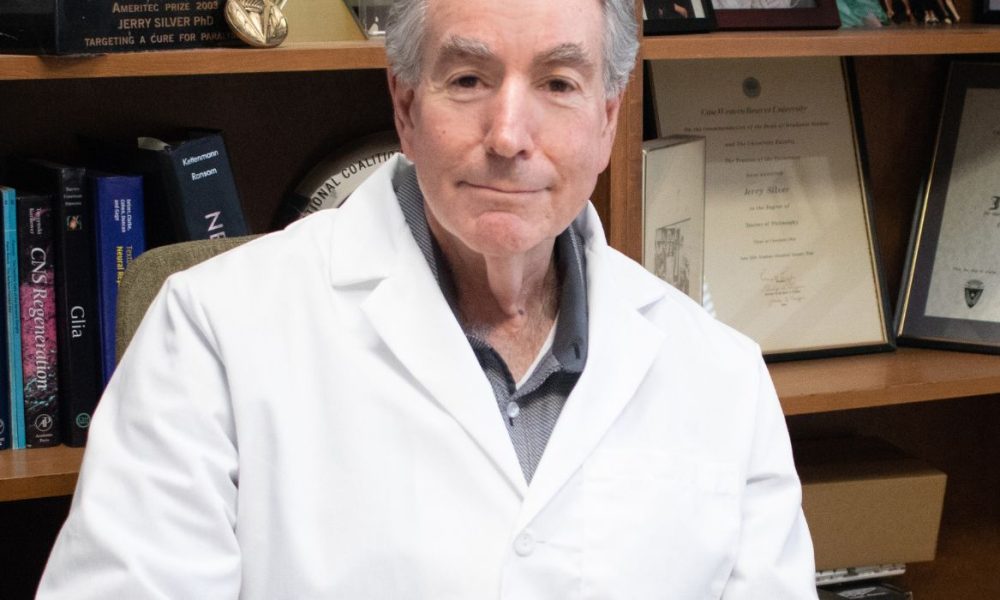
 NR Times hears from NervGen about its groundbreaking new drug that could enable the body to regenerate nerves.
Austin Tooze at BIS Services looks at the vital role of building rapport with a client in neuro-rehab

Austin Tooze at BIS Services discusses varying client reactions and behaviours

Sarah Morgan, a music therapist at Chroma, discusses the importance of client autonomy