



Interviews

Having been diagnosed with Huntington’s Disease (HD), and being forced to deal with the death of his son, Darran was left feeling suicidal - but has now turned his life around to support and inspire others. Here the winner of the 2023 NR Times Inspirational Contribution Award, sponsored by TRU Rehab, discusses his life, his [...]

As the inaugural winner of NR Times Charity of the Year, the Child Brain Injury Trust was recognised for the dynamic and dedicated support it has provided to children and young people with brain injury and their families for over 30 years. Here, chief executive Lisa Turan reflects on the progress of the charity - [...]
John McDonald’s own experience of brain injury saw him face many challenges in being able to return to work - so he is now helping others in his position by supporting employers to better understand ‘hidden disability' and make necessary changes in the workplace. Through his business, Eagles Wings Consultancy, John is enabling businesses and [...]

NR Times reports on the Dementia Engagement Education and Research (DEER) programme, which aims to show people affected by dementia that it is possible to live well with the condition.
Rates of dementia are rising exponentially. By 2050, 153 million people are expected to be living with the condition worldwide. But a societal fear of the condition has produced a stigma that cannot easily be shaken off.
Dementia is among the public’s most feared conditions, second only to cancer. For many, a diagnosis signifies the end of their life. This fear, coupled with a lack of understanding of what it means to live with the condition, means patients are often pushed away and left feeling isolated.
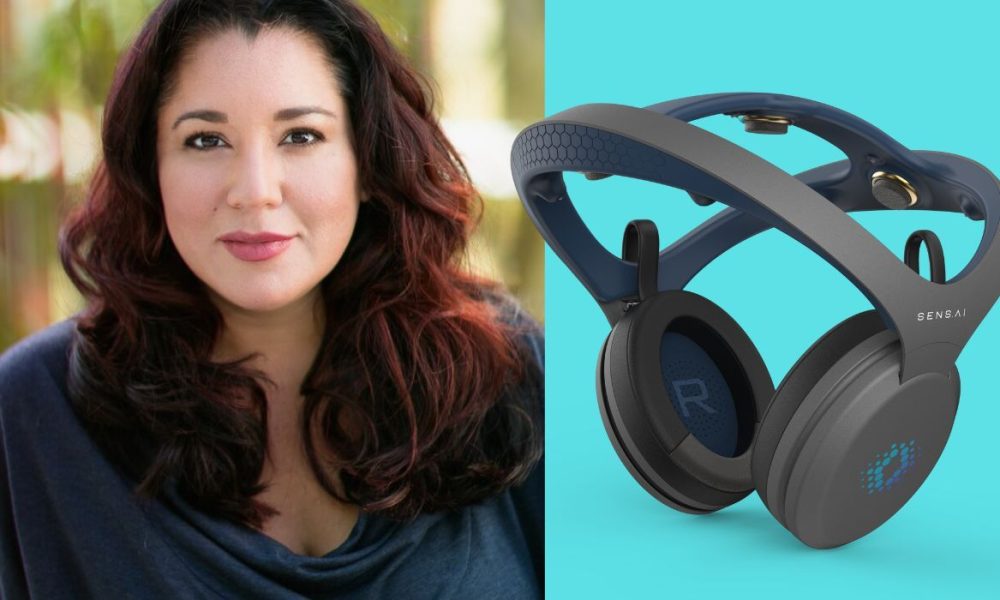
Neurofeedback has been used since the 1960s, becoming a mainstay in the world of alternative medicine but 50 years on, the method is yet to be accepted by mainstream science. Now, tech companies are bringing the divisive brain training method into the home. Earlier this year at the 2023 Health Optimisation Summit, a Canadian tech company unveiled a device that it says can optimise the brain and help you control your state of consciousness. The technology is underpinned by the concept of neurofeedback, a non-invasive method for consciously training and controlling brainwaves. Recordings of brain activity – or electroencephalograms (EEG) – are fed back to users in visual or auditory form. Its efficacy is disputed by scientists but throughout its history, the alternative therapy has retained a strong group of advocates. Sens.ai, is led by CEO, Paola Telfer, a tech entrepreneur and electrical engineer whose interest in brain optimisation stems from an injury that led her to a “low point” in her life.
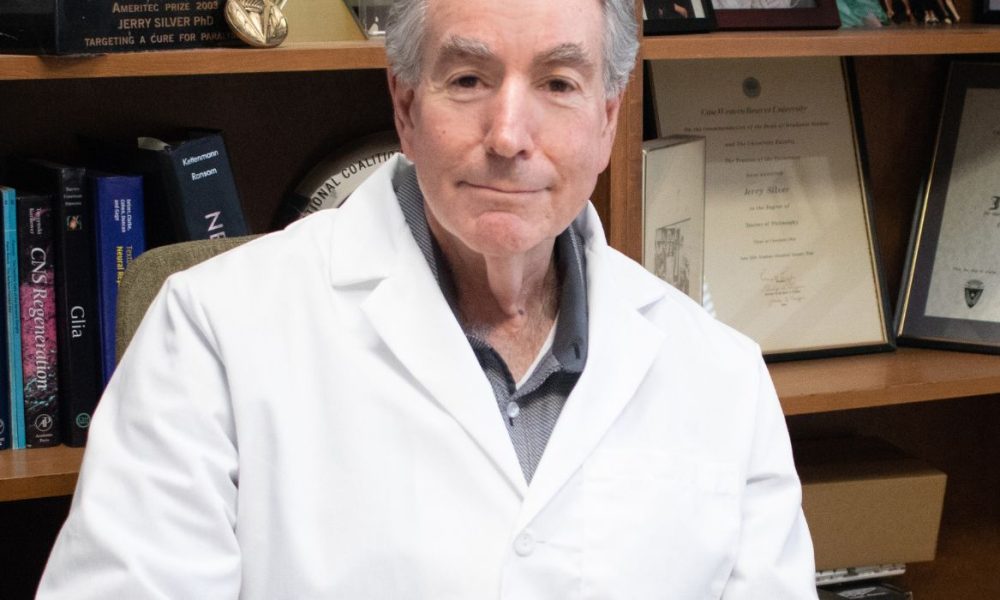
 NR Times hears from NervGen about its groundbreaking new drug that could enable the body to regenerate nerves.
As a condition with low levels of recognition - both in society and even the medical profession - dystonia can often go under the radar, leaving many people struggling for a diagnosis and to access the services they so badly need.
Here, dystonia patient Joe shares his frustration at the wait to secure a diagnosis; consultant neurologist Dr Amit Batla discusses the lack of recognition within the NHS; and Georgina Carr, chief executive of the Neurological Alliance, highlights how speaking up collectively can make positive change

NR Times reports on how the pioneering work of Aprinoia Therapeutics could influence better patient outcomes in neuro-rehab; in conversation with chief medical officer Bradford Navia. ‘Precision neuroscience’ is a term which encapsulates the ceaseless drive for more targeted and effective brain treatments and diagnoses. Not to be confused with Elon Musk’s neuro-tech startup of the same name, it sits at the intersect between two emergent health innovation trends; the rise of precision medicine – tailored interventions that consider genes, environments and lifestyles – and an acceleration of our understanding of the neurological world. On the frontline of the precision neuroscience movement is Aprinoia, a clinical-stage biotech headquartered in Boston which is opening up new possibilities for the diagnosis and treatment of neuro conditions including Alzheimer’s and Parkinson’s.
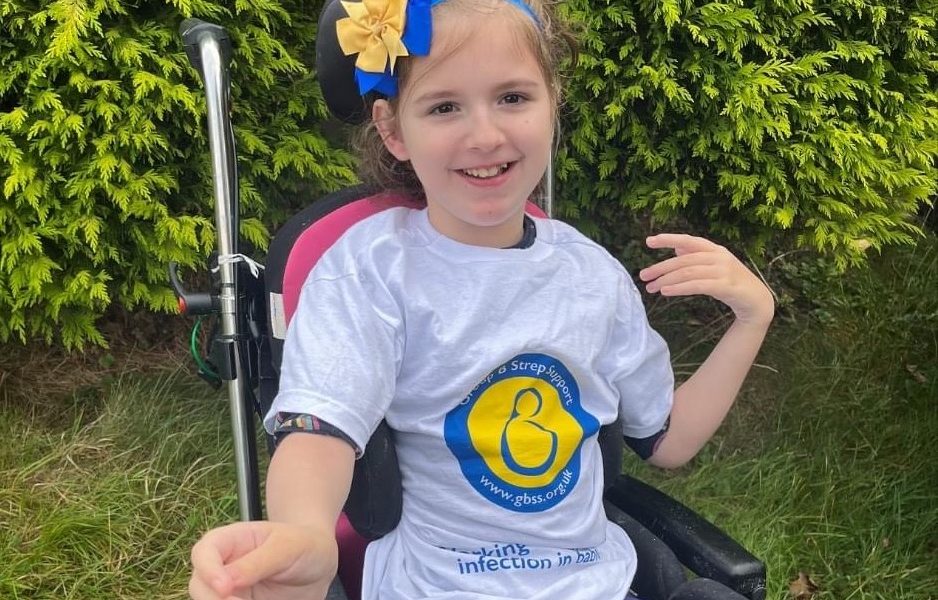
Through Group B Strep, unwittingly passed from Charlotte to her daughter Aimee, the youngster faced a battle for survival and lives with profound disabilities. Here, Charlotte describes the horror of almost losing her baby, the challenges they face to-gether, and the urgent need for routine testing of all expectant mothers for Group B Strep. “It’s absolutely heartbreaking what can happen just because a simple swab test isn’t taken.” Charlotte’s words reflect the truly dreadful reality of the situation she and many other parents find themselves in due to the lack of routine testing for Group B Strep infection. For Charlotte, her daughter Aimee was given a five per cent chance of survival at only five days old, after the presence of Group B Strep was detected. Happily, Aimee defied the odds and is now a happy 11-year-old - although lives with a multitude of needs, which only become more distressing for devoted Charlotte by the day.

NR Times speaks to Georgina Carr, chief executive of The Neurological Alliance (England), about their campaign for a Neuro Taskforce, why urgent action is needed to support people living with neurological conditions, and how the General Election may pose an opportunity for the cause to be championed For the one in six people in the UK living with a neurological condition, their experience all too often is of being unable to access the resources and support they need, feeling unheard and unsure where to turn.


