



Interviews

For children with brain injury and neurological conditions, the mainstream education system can be a challenging place, with teachers often not knowing how best to support them. NR Times meets Judith James, a special education advisor and co-founder of Education and Case Management Services, whose team supports hundreds of young people, parents, teachers and schools across England to enable children to achieve their potential in a happy, supported environment that works for everyone “Teaching is hard, we know this from our own experience. We aren’t here to criticise, we’re here to support, and ultimately get the best outcomes for these kids.” The approach of the Education and Case Management Services (ECMS) team is simple; tried and tested through years of hands-on experience of working with complex young people, which now enables them to support other teaching professionals. With combined decades of experience of working in outstanding special schools, supporting children with often profound cognitive and physical disabilities to maximise their potential and thrive, the eight-strong education team ECMS are well placed to know what is needed.

Luke Griggs, chief executive of Headway, outlines his thoughts about the ABI Strategy and what it must address; the urgent need for provision for brain injury; and the importance of Headway groups across the country and why their life-changing work must be properly funded "An effective ABI Strategy needs funding" That is the message from Luke Griggs, chief executive of Headway, who admits to having “real fear” around the funding of proper provision through the Strategy, the kind which will truly make a positive impact on the lives of those who need it. Read our in-depth feature in full by signing up to NR Times below.

Zen Koh discusses its vital role in neuro-rehab and the pride felt by Asia in hosting the global event
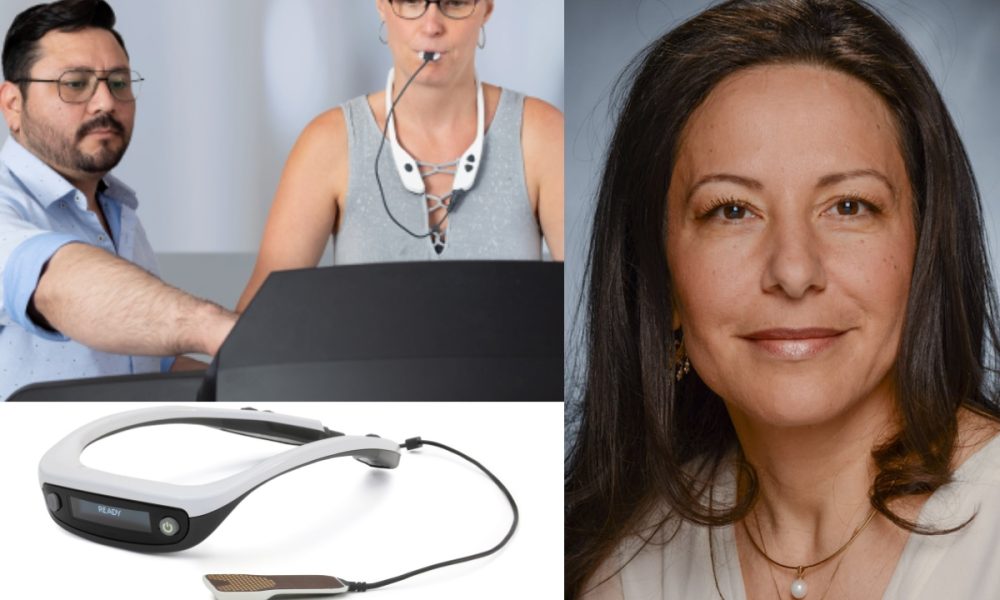
A first-of-its-kind technology is boosting the benefit of physical therapy for MS patients through electrical pulses that aim to ‘rewire’ the brain and activate neural pathways. Physical therapy is an essential aspect of treating MS, but it has its limitations. In most cases, MS affects the cerebellum, also known as the brain stem. Physical therapy [...]
The voice AI platform Canary Speech has achieved an accuracy of 96 per cent in recognising early signs of Huntington’s disease. NR Times spoke to CEO and co-founder Henry O’Connell about its potential role in neuro-rehab.
Speech is the most complex motor function in the human body and a key indicator of disease progression in patients with neurological conditions. As a neurological disease impacts the muscular system it leads to changes in patients’ voice and language. These changes occur gradually, beginning as subtle clues before developing into more noticeable symptoms as the disease progresses. Parkinson’s patients, for example, might slur words, mumble or struggle with articulation, while people with Alzheimer’s may begin to forget words as their condition deteriorates. The minute changes to speech that begin at the early stages of neurological diseases are difficult to spot. But, as a new era of AI and natural language processing technology (NLP) emerges, new platforms are showing promise for identifying dysarthria at a much earlier stage. One of the leaders in this field is Canary Speech, a voice biomarker platform that has already had success in screening for mood, stress, and energy levels using a single 20-second audio clip. Now, the company is turning its attention to neurological diseases as it seeks to use the same technology to detect the first signs of Parkinson’s, Huntington’s and Alzheimer’s Disease. Sign up to NR Times now to read our Canary Speech interview in full.
Rehab physician and former health system leader Dr Gerda Maissel now dedicates her time to the forgotten complex care patients lost in the mechanisms of American health. Here she tells NR Times about her My MD Advisor mission.
Dr Gerda Maissel is something of a guiding light for neuro-rehab patients lost in the American healthcare system. The former rehabilitation physician who later spent 12 years in health system leadership, dedicates her time to helping people with complicated healthcare problems navigate their way back to an appropriate pathway through her enterprise, My MD Advisor. “People get lost in the system a lot here,” she says from her home in New York State. “Fundamentally, the system which helped people with severe injuries in the past, now provides very short lengths of stay in inpatient, acute rehab settings; and so, people get dumped into sub-acute rehab, where there's not even remotely the level of expertise needed." Read on for more on the challenges facing rehab patients on the wrong pathway and Dr Maissel's views on how to overcome them.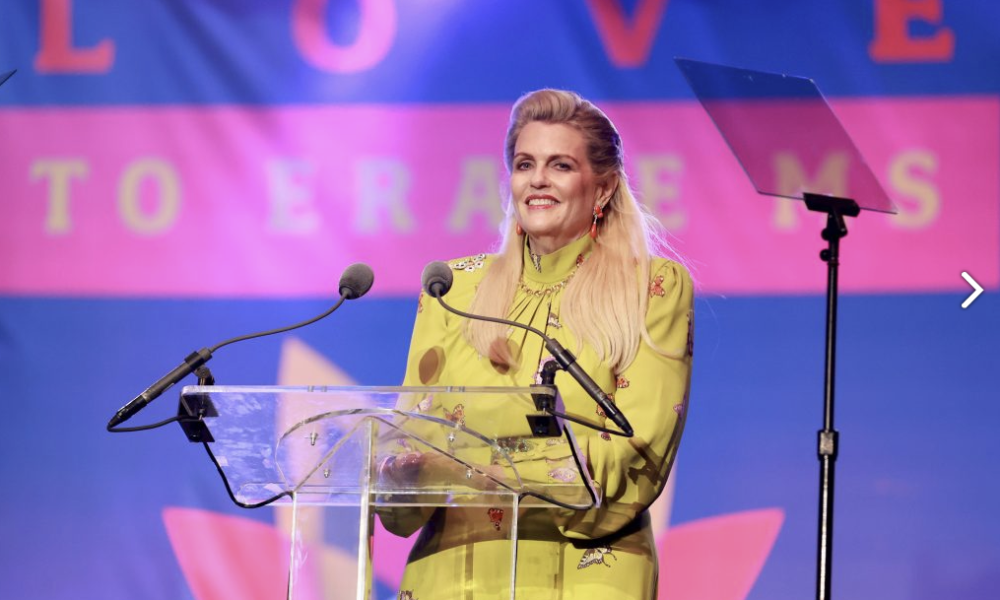
Her life's work has been to rid the world of MS and now Nancy Davis believes she’s getting ever closer. NR Times meets the tireless Race to Erase MS founder who has been the catalyst for 20+ FDA-approved MS therapies and US$50m in research funding.
A well-worn phrase from success coaching parlance says that the best way to take the island, is to ‘burn the boats’. Out of absolute necessity comes achievement – and after the point of no return, there is nothing to be done but move forward and get to it. That point for Nancy Davis came in 1991 when, at age 33, she was diagnosed with MS. Faced with a relative treatment black-out by today’s standards, and against the backdrop of an unhappy marriage, the fate of her three children as the disease progressed was necessity number one. Then there was the prospect of her own existence. A doctor said the best she could hope for was enough mobility function to operate a TV controller. And so sparked a race against time, not only to save herself, but to help others with MS avoid a similarly bleak outlook. Read on to find out how Nancy's journey since has helped to bring numerous new MS treatments to market and why she believes a cure for MS could be just five years away.
Better understanding benefits people with HD, their partners in care and clinical teams, say specialists at St Andrew's

Learn more about the approach and ethos of one of the newest names in the specialist care sector

Technologically advanced spaces are able to boost kids' imagination and nurture their creativity


