Interviews
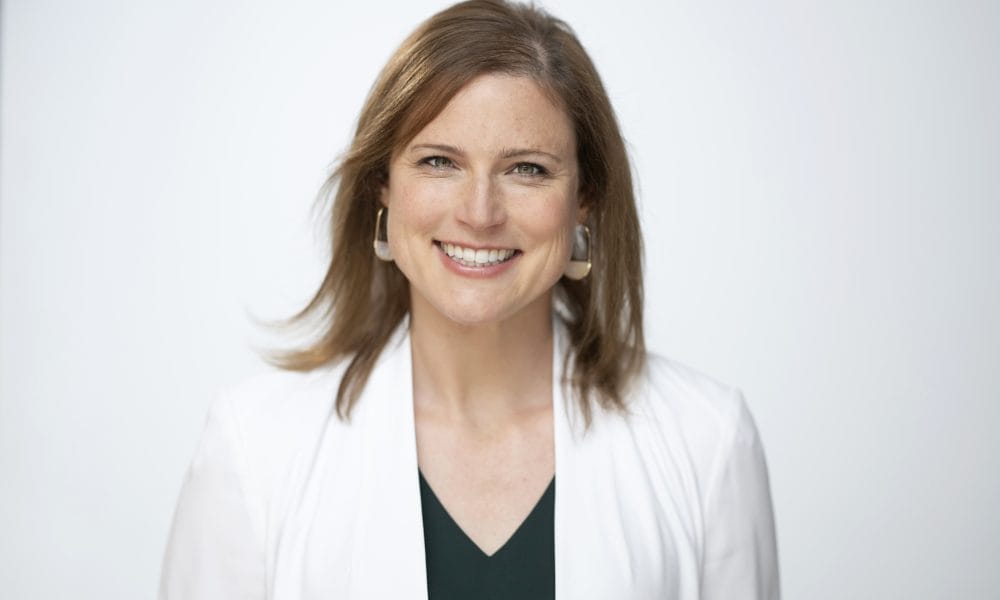
Dr Ashleigh Kennedy tells NR Times how the pioneering technology is set to be transformational for brain health

Through the pre-pandemic creation of Goal Manager, rehab professionals and clients alike are benefitting from the power of digital tech

Inspired by seeing the impact digital could make in rehab, Natalie Mackenzie has gone on to build an internationally-successful business

Vicki Gilman has taken up the post of chair of the British Association of Brain Injury & Complex Case Management (BABICM) at a hugely important time as case management moves into a new post-pandemic chapter, following an unprecedented period where case managers rose to the diverse challenges presented by COVID-19 and helped to create a new future.
While breakthroughs in cancer treatment over the past 40 years have been truly life-changing, with recovery prospects and life expectancy in many common cancers revolutionised, that sadly is not true with regard to glioblastoma (GBM).

As one of the first organisations to recognise and react to the urgent need to address head injury in sport, The Drake Foundation has become a central player in the fast-developing debate over how to best protect players at all levels from the devastating later-life impact of neurodegenerative disease.
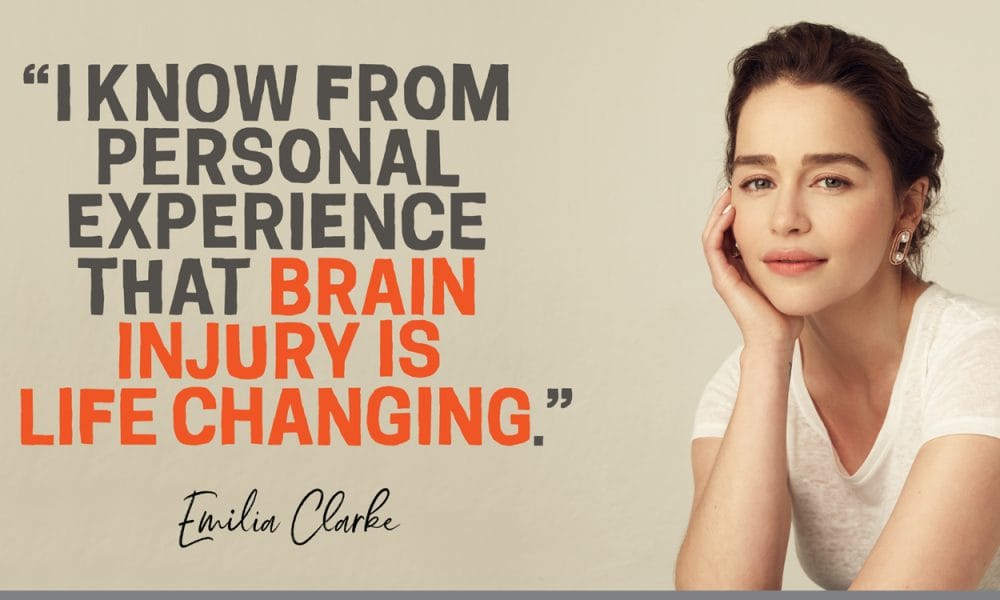
As the CEO of the charity SameYou committed to making a difference to the lives of people living with brain injury, as well as being the mother of survivor Emilia Clarke, and a patient herself, Jenny Clarke truly understands the impact of acquired brain injury.

Through the use of AI-powered technology, BrainQ is set to revolutionise the potential for stroke patients in their recovery from disability and lasting effects of their condition. NR Times speaks to co-founder and CEO Yotam Drechsler about the life-changing potential of its electromagnetic field therapy In just a few years from now, the potential for stroke patients to reduce and even reverse disabilities could be reality. Through the groundbreaking work of BrainQ, whose AI-powered electromagnetic field therapy is revolutionising traditional recovery prospects, the outcomes for people who have had a stroke could be unrecognisable against today’s reality. Results from its pilot trial are undeniably exciting - after receiving BrainQ therapy, 77 per cent of patients had either no symptoms or minor symptoms, with no significant disability, scoring one or even zero on the modified Rankin Scale (mRS), the gold standard for measuring global disability. Additionally, over 90 per cent of people improved by two or more mRS points through the use of BrainQ’s technology.

A mother and son team who have devised a pioneering standing wheelchair are looking to partner with a manufacturer to bring their prototype to fruition.
The Walking Wheelchair enables people with limited use of their legs to assume a standing position, using a saddle therapy seat and Segway-style wheelbase. Its design, which is aimed at people living with conditions including Muscular Sclerosis, Cerebral Palsy, Motor Neurone Disease and spinal injury (L1-5), is protected by patent and has already won awards for its innovative design. It differs from what is already available through its saddle seat lifting the user’s weight vertically to standing, rather than a conventional seat which tips, and has a gyroscope to balance the standing weight instead of a counterweight. It also has a two wheel wheelbase with a tight turning circle rather than the standard six-wheel base.