



Interviews

“I’ll be honest, when I set up I naively thought I’ll be a lone worker, working at home - I never imagined I’d need a succession plan.”
Like so many others who set up in business, Angela Kerr did not foresee the growth of her venture, AKA Case Management, when she set up in 2002. Having become one of the UK’s best-known case management companies, and with Angela increasingly in demand within the profession after being appointed chair of BABICM in 2016, she knew she needed to address the issue of the long-term future of her thriving business. And the solution lay in the form of Dawn Abernethy, a longstanding member of the AKA team, alongside Andrew Rose, who at that time was a new appointment to the business.
A new report has revealed that the number of people with brain injuries is five times higher within the criminal justice system
NR Times speaks to Chloe Hayward, the UKABIF Director and Gemma Buckland, the Director of Do it Justice, about what the report means and what happens next. The United Kingdom Acquired Brain Injury Forum (UKABIF) and the Criminal Justice Acquired Brain Injury Interest Group (CJABIIG) have welcomed a report by the Criminal Justice Inspectorates. The report examined their evidence of neurodiversity within the criminal justice system.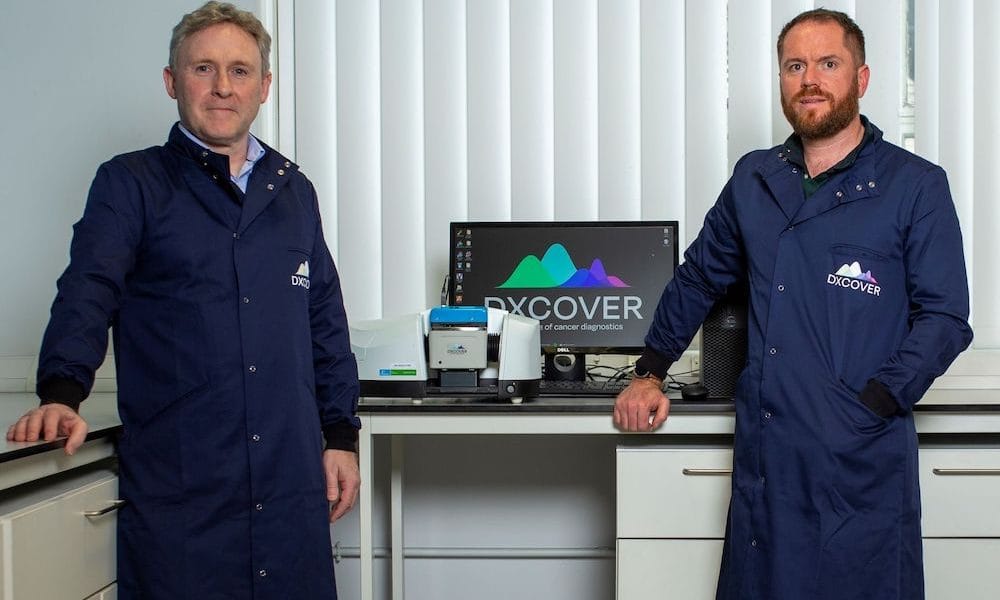
Hailed as the future of cancer diagnostics, Dxcover is set to revolutionise healthcare by pioneering a new test to diagnose cancer more quickly, simply and cost-effectively than ever before. CEO Dr Mark Hegarty and chief technology officer Dr Matthew J Baker discuss their pioneering work to date in brain cancer detection
Through the AI-led analysis of a single drop of blood, it is possible to detect brain cancer. Having been verified through two groundbreaking clinical studies, the Dxcover Brain Cancer liquid biopsy, the first of its kind in the world, is now set to go into pivotal trials with a view to commercialisation in 2024 - paving the way to save lives and improve quality of life globally through the earlier diagnosis of cancer. With the creation of the Dxcover Platform - which combines novel hardware with artificial intelligence algorithms to analyse a patient's blood - and its patented Drop Dry Detect method of detecting cancer, a process which currently may take eight weeks or more to fully diagnose can be fast-tracked into a matter of minutes.
With the creation of LusioMATE, rehabilitation is being revolutionised through the use of gaming. NR Times meets Justin Keenan, CEO of Lusio Rehab, to learn more about the world-first device
From a series of chance encounters came the creation of a business which is helping to revolutionise therapy and rehabilitation on a global scale through the use of gaming. With the creation of LusioMATE, the world’s first wearable therapy controller and game ecosystem, Lusio Rehab is helping to redraw the boundaries and rehab potential for people living with neurological conditions and other disabilities around the world. Since its launch in 2019, the device has expanded far beyond its origins in Australia to be in use in the UK, across Europe, the United States and South America.
As a specialist provider of mental health support, caring for some of the most clinically complex patients in the UK’s mental health system, the team of experts at St Andrew’s provide bespoke clinical and therapeutic approaches that enable vulnerable patients to recover. Here, NR Times meets senior social worker, Emma Wakeman
Can you tell us about your experience in mental health I’ve been at St Andrew’s for three and a half years and I’ve always worked in neuropsychiatry. I actually did a student placement here when I was training to be a social worker and just absolutely loved it. I loved the patients and the work so I applied for a job and got it.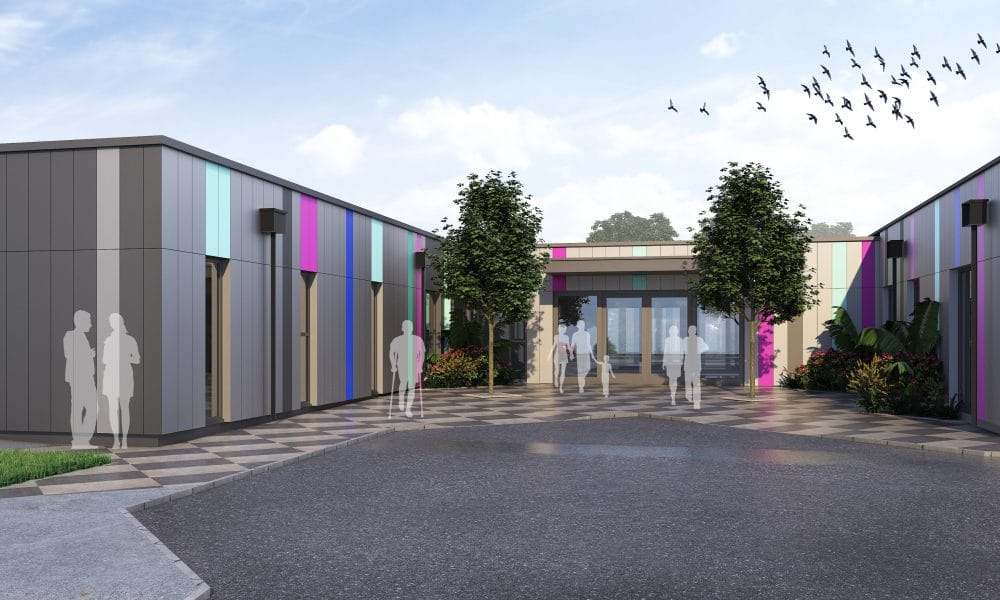
As the new Castle Hill Hospital rehab ward gets set to open, NR Times speaks to Dr Abayomi Salawu, whose dedication to achieving goals through rehab, and passion for using VR and AR within it, is putting Hull at the forefront of the UK
A new NHS rehabilitation centre, which will be the first in the UK to incorporate digital technology and virtual reality into its rehab offering, is set to open its doors. The purpose-built ward at Castle Hill Hospital in Hull will have 12 beds and has a range of facilities, including a gym, therapy room and garden area, to enable a comprehensive rehab offering to be delivered.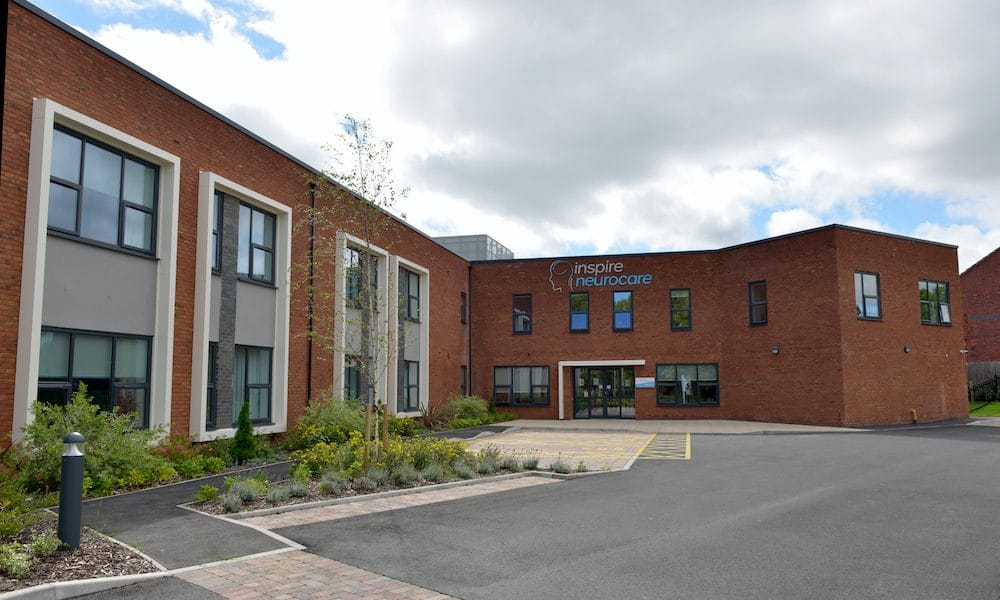
A neuro-rehab provider which opened its first facility in Worcester shortly before the first lockdown has succeeded against the odds – and now has plans to expand in 2021, as NR Times reports.
Inspire Neurocare provides support for people with a variety of neurological conditions, offering rehabilitation, respite and palliative care.
The firm opened its first specialist care centre in Worcester in February 2020, and this will be followed by further facilities in Basingstoke and Southampton in 2021/22. Inspire prides itself on a novel model of care that has “no limitations on the possibility of recovery,” all led by director of clinical excellence Michelle Kudhail.
A key element of the centre’s approach is the team’s commitment to understanding that every patient, and the circumstances that led them there, is different.
Every aspect of neurophysiotherapy has had to adapt with the onset of COVID-19, including how students prepare for a career in the profession. Here, student Tabitha Pridham discusses her experience of a pandemic placement.
Prior to the COVID-19 pandemic, the concept of physiotherapists routinely holding sessions with clients remotely was quite unlikely. While used to some degree in a small number of practices nationally, telerehab, as it has now become widely known, was not on the agenda of many
The COVID-19 pandemic has forced huge changes within case management and the traditional ways in which clients have been supported. In our continuing series of Q&A features with case managers across the country, Martin Gascoigne of Neuro Case Management UK (NCMUK) shares his experiences.
Can you summarise how the past few months have been for you. The past few months for NCMUK have been extremely challenging. This is due to the Government initially ring fencing all of the PPE supplies for NHS staff which made it very difficult for us to procure the necessary equipment. Also, due to our Paediatric Clients Parents furloughing, we have experienced different challenges with the type and level of care that they felt they would like us to provide whilst still working in accordance with National Minimum Standards.
The Sue Ryder Neurological Care Centre Lancashire opened, after years in the planning, during the height of the COVID-19 pandemic. Centre director Terry Mears and neuro rehab lead Hannah Halliwell share their experience of such a difficult, yet rewarding, time.
Opening a new specialist neurological care and rehab centre is a seismic task in any climate - but to do so at the height of the COVID-19 pandemic is probably a feat few would attempt. But having been badly wanted and needed in its area for over 15 years, and after an 18-month construction and development project, the Sue Ryder Neurological Care Centre Lancashire opened its doors to patients in April.


