



Interviews

When Mark Fricker suffered a stroke aged just 32, the lack of access to dedicated rehabilitation inspired him to retrain as a stroke rehab specialist. Here, he shares his inspirational story
Mark Fricker is very matter-of-fact about the impact of his stroke.
“I view it as a positive moment in my life,” he says.

Episode six of the Curious Case Manager features Fifth Sense, a charity for people affected by smell and taste disorders.
In this episode Vicki Gilman talks to Duncan Boak, founder of Fifth Sense and Nina Hill, director of development and operations. They discuss Duncan’s own experience of loss of smell after he suffered from a traumatic brain injury, and how this led him to establish the charity. Duncan and Nina explain the history and development of the charity and explain how they support individuals with smell and taste disorders through providing information, advice and access to a network of specialist clinicians.
Australia’s New South Wales government has promised to improve brain injury testing for domestic abuse victims after a psychiatrist drew attention to inconsistent care for vulnerable women. Psychiatrist Karen Williams urged the government to adopt a concussion protocol for family and domestic violence victims after doing her own research and being shocked at what she found.
It started when Williams noticed the disparity in how her patients were diagnosed and treated.Williams specialises in the treatment of post-traumatic stress disorders (PTSD), often with military, police, emergency personnel and other first responders. But she also treats the general population, the vast majority of whom are women with histories of child and domestic abuse.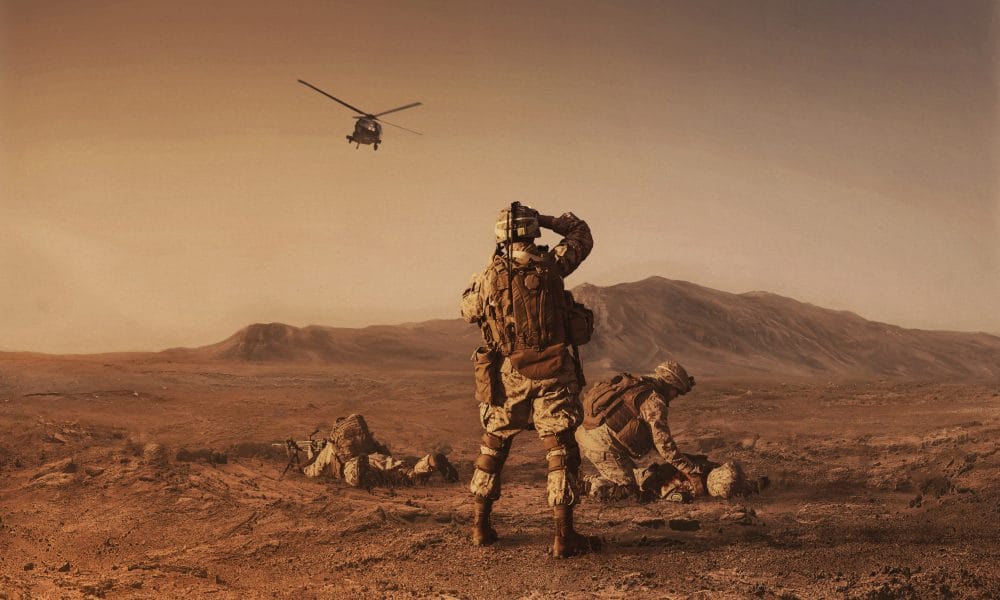
Concussion is a huge concern across the US military and in sports. In 2018, 19,000 military personnel were diagnosed with a traumatic brain injury, while college athletes had an average of 10,500 concussions for past five years.
Despite the numbers, many say there’s a lack of research to inform ways that government and industry can best tackle this problem. In response, the largest prospective concussion study was formed to fill the gaps in understanding, to see what recovery from a concussion looks like in athletes and cadets. More than 44,000 people have since enrolled in the CARE (concussion assessment, research and education) consortium since its inception in 2014, across 30 universities and four military service academies across the US.
Having experienced a brain haemorrhage five years ago, 52-year-old Jane Hallard from Gloucester has had to rebuild her life. Here, she details her struggle and how she has learned to look to the future with positivity.
In the five years since my brain injury, I’ve had to come to know a whole new me. While I look the same as I did, I’m far from being the same person. On that day, back in 2015, when I was helping my son to clean his car, little could I have imagined what lay ahead.
NR Times caught up with the co-founder of access: technology north to find out its secret to getting people engaged with the tools they need to support them.
Around four years ago, when Mike Thrussell’s caseload of people with learning difficulties and disabilities needing support with assistive technologies began to grow, he went to his wife Kelly with a suggestion. At first Kelly, who has a background in teaching, was unsure. "I’ve worked with people with learning difficulties for years, and I’ve seen that other people’s experience with assistive technology hasn’t always been positive, so I wanted to approach this differently,” she says.
Trained couple’s therapist and neuropsychologist Giles Yeates helps support couples and families and their connection and intimacy after a brain injury. He talks to NR Times about how couples can resume their sex lives after brain injury.
“It's about reconnecting that sense of closeness and connection, I'm trying to rehabilitate love,” he says. “After a brain injury, the focus is on the injury and regaining independence, rather than interdependence, but many families ask for this. “When people talk about personality changes, saying the person is different and the connection feels damaged or wrong, couples therapy is way to help them find their way back to each other.”
When comic artist Wallis Eates saw an ad from Headway East London looking for an artist in residence for the charity’s art studio, she knew she had to apply…
Headway’s East London studio provides a place for members, who all have acquired brain injuries, to create artwork. Eates’ own line of work leading up to this included autobiographical comics, and digital storytelling with prisoners. “I’d been looking for ways to help others share their stories or collaborate on story-sharing,” she tells NR Times.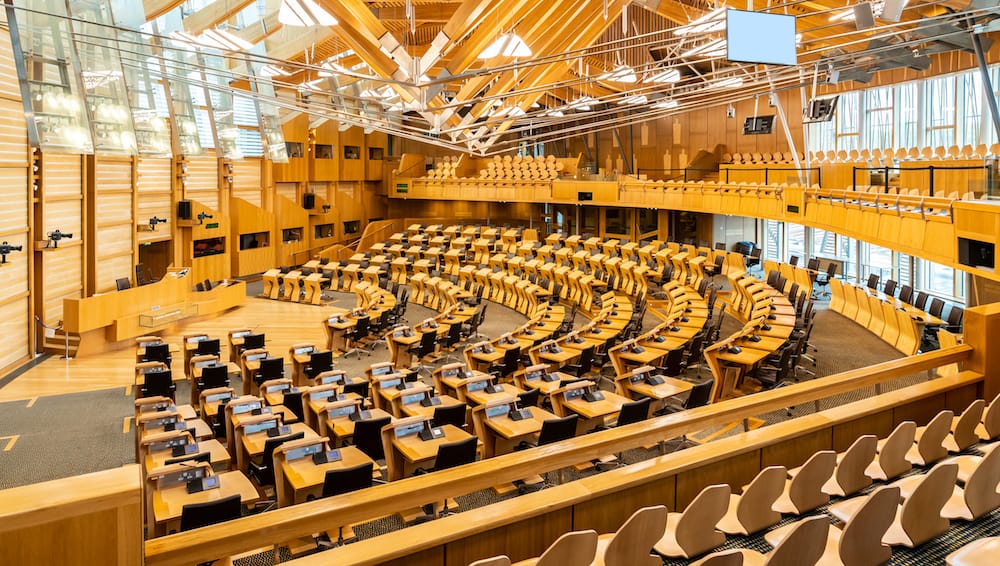
NR Times speaks with SNP MP, Lisa Cameron, about her background as a clinical psychologist and how long-term issues related to brain injuries are often overlooked.
Lisa Cameron's attention is on countless important issues in her role as SNP MP for East Kilbride, Strathaven and Lesmahagow in Scotland, but she tells NR Times why she is particularly interested in policies relating to brain injuries. Before becoming an MP, she previously worked as a consultant clinical psychologist and is chair of the All-Party Parliamentary Group on Disability. “When I was working as a psychologist, I was undertaking assessments of people with brain injury in relation to memory, executive function and language,” she tells NR Times.
Lorraine Currie has watched her daughter recover from a serious brain injury and go on to exceed her expectations. She tells NR Times what it’s been like to see her daughter’s slow recovery.
When she was just 17 years old, Grace was hit by a car as she crossed a small village road after finishing college. She suffered a severe head injury and was resuscitated twice at scene. After being taken to Shrewsbury hospital, her only hope was to be transferred to Stoke hospital, which is a regional trauma centre, who accepted Grace even though it didn’t have a bed.


