News
The latest news from across neurorehabilitation.
 Brain injury23 Sep
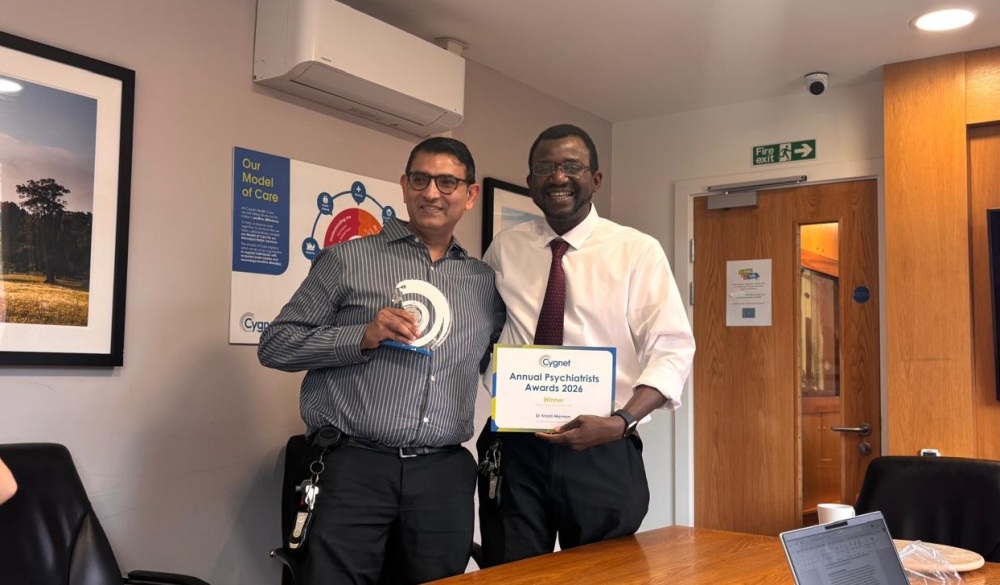
A Middlesbrough hospital and a Darlington doctor have scooped national awards in recognition of the difference they are making to the lives of those hospitalised with a brain injury. Organised by Cygnet Health Care, one of the UK’s largest independent providers of specialised mental health services, the Special Recognition award celebrates a hospital that has [...]
 Spinal injury23 Sep
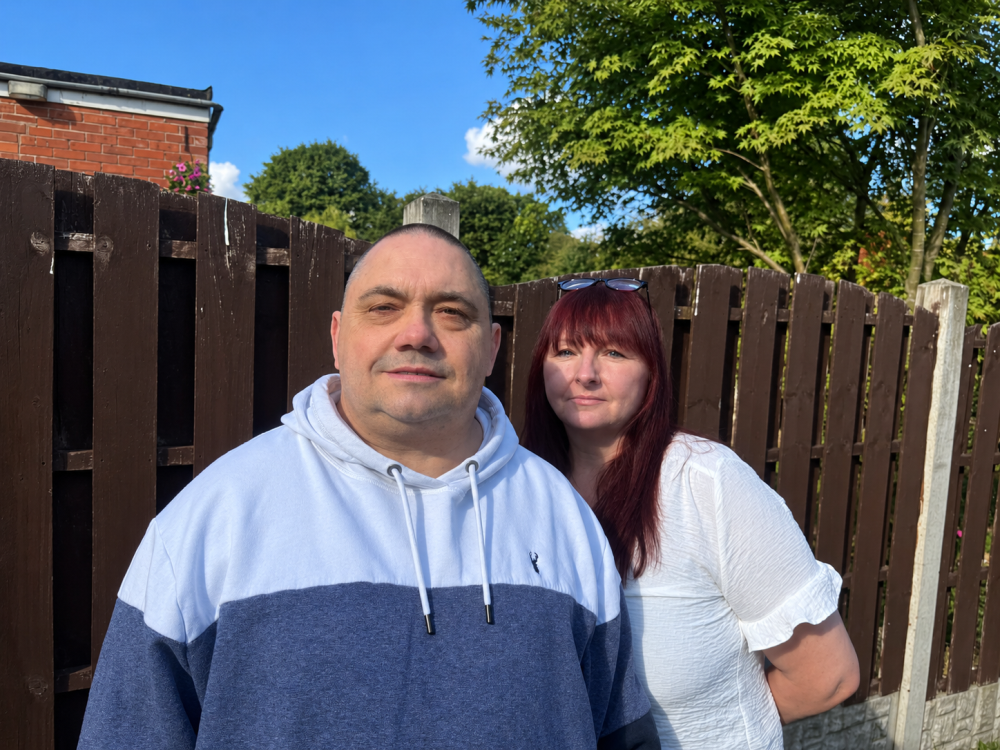
A Sheffield spinal nurse says he is lucky to walk again following a spinal cord injury when he fell in his garden. “I cared for spinal cord injury patients for 22 years, you think you can empathise a little, but you can’t in any shape or form” When Tony Fallon (57) from Sheffield was paralysed [...]
 Parkinson's22 Sep
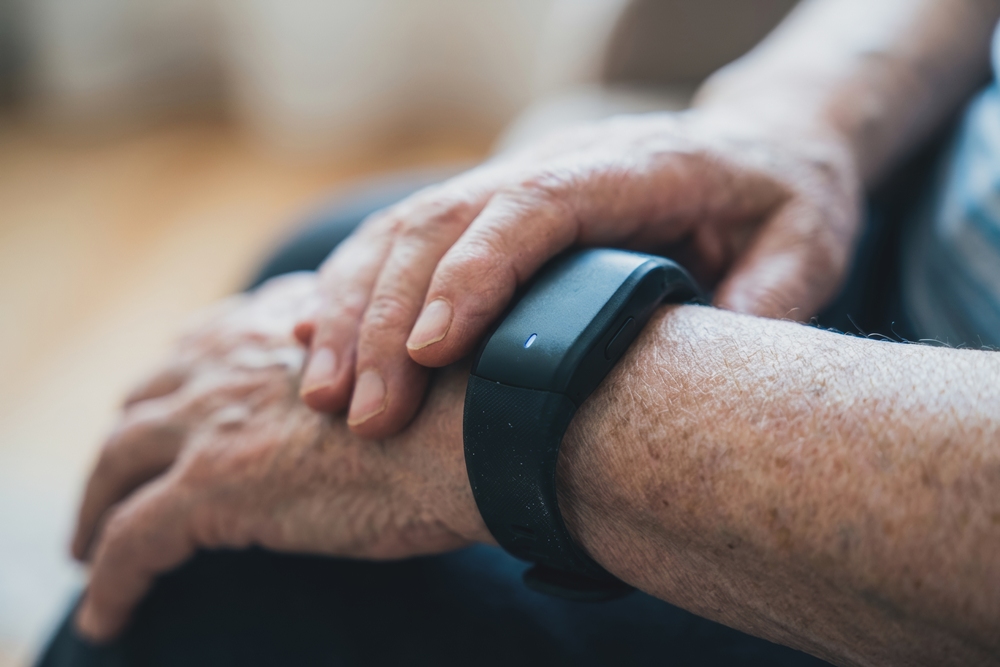
A wearable-delivered Parkinson’s therapy eased motor symptoms in some patients with advanced disease, preliminary trial observations suggest. An independent safety monitoring committee has recommended that the Phase 1b trial of SER-252 move to a second dosing group. The panel reviewed safety and tolerability data from the first eight patients, who received the lowest dose. This [...]
 Stroke22 Sep
Cancer-related blood clotting may contribute to stroke, with risk appearing highest soon after a cancer diagnosis, a review of 82 studies suggests. The analysis found that stroke linked to cancer-associated coagulopathy occurred predominantly within six months of diagnosis. Many patients had metastatic cancer, meaning the disease had spread to other parts of the body, by [...]
 Brain injury21 Sep
Researchers in Portugal are investigating a promising new treatment for traumatic brain injury (TBI) after discovering that the brain's two hemispheres respond differently to trauma. Initial findings also suggested the treatment helped protect the blood-brain barrier and reduce neuroinflammation. Researchers at the University of Coimbra are investigating neuropeptide Y, a molecule that occurs [...]
 Spinal injury21 Sep
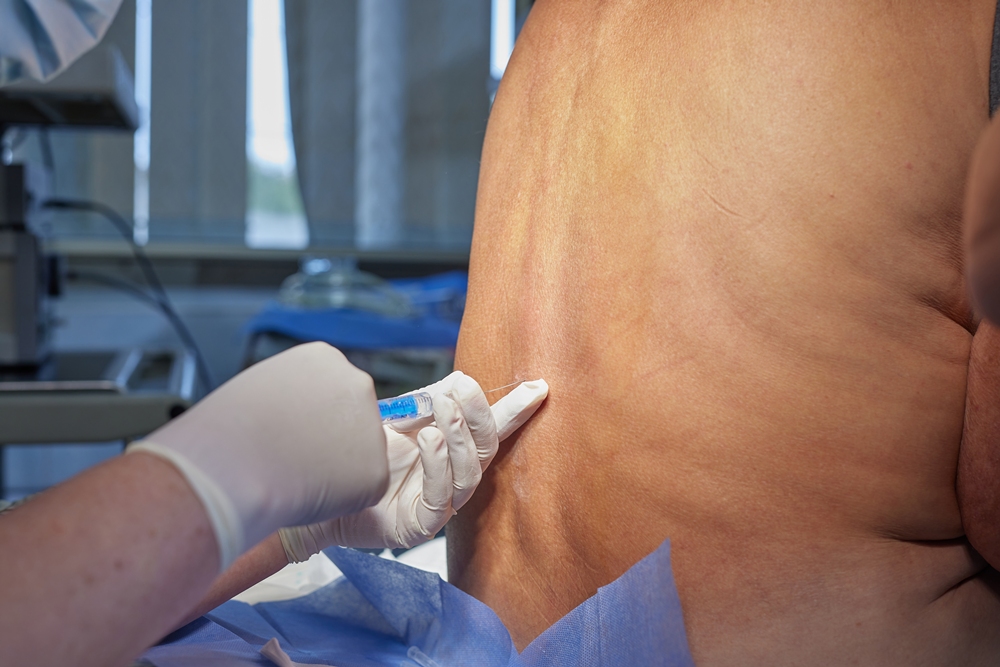
Saline placebo injections may reduce pain and disability in some spinal conditions, raising questions about their use as clinical trial controls. Saline is commonly used as a placebo in trials assessing steroid injections and other active treatments, but patients receiving injections around the spine also showed improvements. The findings came from a systematic review and [...]
 Multiple sclerosis21 Sep
An existing drug may slow MS progression after showing early promise in a world-first clinical trial. Alpha-lipoic acid, or ALA, an antioxidant and anti-inflammatory medicine, has progressed to the second stage of the Octopus trial. The diabetes medicine metformin, which was also being assessed, has been removed from the trial after failing to demonstrate positive [...]
 Parkinson's21 Sep
The Michael J. Fox Foundation has announced a US$2.5bn campaign to support next-generation Parkinson’s treatments and research towards a cure. The multi-year fundraising campaign, called All Grit. No Quit., quietly launched in 2024 and has raised more than US$1.75bn towards its target. More than 276,000 donors have contributed so far, with the money intended to [...]
 Care & services18 Sep
Around 1,500 Britons a day are quitting their jobs to provide unpaid care, a report has found. More than one million people are estimated to have left work to care for ageing, ill or disabled loved ones over the past two years. One in five employees, equivalent to 6.7 million people, are balancing paid employment [...]
 Brain injury18 Sep
ReEmerge has raised US$37m to fund a clinical study of its brain injury therapy in people with chronic moderate-to-severe traumatic brain injury. The Minnesota-based medtech company emerged from stealth on 15 September with an oversubscribed Series A financing. Its Cognitive Network Restoration Therapy (CNRT) targets neural networks in the central thalamus, a brain region involved [...]