



Research
Working with seven UK hospitals, including the National Hospital for Neurology and Neurosurgery (NHNN), part of UCLH, 119 patients with glioblastoma have been recruited in just over two years to the IPI-GLIO trial.
Glioblastoma is a very aggressive brain tumour with around 2,200 cases diagnosed each year in England (and around 3,200 across the UK). The average survival time is around 15 months, with fewer than 10 per cent of patients alive five years after diagnosis following standard treatment. In the Phase II Clinical trial, following standard treatment for glioblastoma of surgery, where appropriate, radiotherapy and chemotherapy, patients were given ipilimumab, a drug that has seen significant improvements in survival rates for people with melanoma skin cancer. The drug blocks a key regulator in the immune system, making the immune system more active. Study participants will be followed up over the next 18 months and the findings will be presented to the American Society of Clinical Oncology in May 2023.
A new signalling pathway has been discovered that could shed light on damage repair during brain injury.
The new understanding of what causes neural cells to enter divisions after damage in the brain is a “valuable opportunity” to potentially prevent neuronal death or neurodegeneration following injury. The research, led by the University of Plymouth, explores how most human cells are able to repair damage by dividing at wounds - but mature nerve cells, or neurons, will most probably die if they attempt division. This happens during brain injury or in conditions including Alzheimer’s Disease. But now, the study has uncovered a pathway that has shed new light on how these divisions may be triggered. The research focuses on intracellular structures called microtubules – which are found in most animal cells, and can be damaged by a build-up of a protein called Tau in the brain during Alzheimer’s.
A pioneering telerehabilitation initiative which enabled people recovering from acquired brain injury to continue their therapies during the pandemic has reported significant progress for participants during the programme.
The evaluation of Neuro-Rehabilitation OnLine (N-ROL) and the fact participants “significantly improved on the two planned quantitative outcome measures” provides further academic analysis to support the hugely positive anecdotal evidence about the impact of telerehabilitation, which has grown exponentially in its use during the past year.
Scientists have revealed a potential mechanism for how traumatic brain injury leads to neurodegenerative diseases.
The results could aid the development of treatments that halt the progression of cell damage after brain injury, which can otherwise lead to neurological diseases such as amyotrophic lateral sclerosis (ALS), and Alzheimer's and Parkinson's disease. Repeated head trauma is linked to a progressive neurodegenerative syndrome, chronic traumatic encephalopathy (CTE). Postmortem tissues from patients with CTE show dysfunctional levels of a molecule called TDP-43, which is also found in ALS, Alzheimer's disease and frontotemporal dementia.
A new risk calculator will better predict people at high risk of stroke or heart attack years before they strike and is ready for use across the UK and Europe, it has been announced.
The risk calculator, SCORE2, will be adopted by the upcoming European Guidelines on Cardiovascular Disease Prevention in Clinical Practice, and enables doctors across Europe in the next ten years with greater accuracy than ever before. The research team behind the breakthrough say this new prediction tool will help save many more people across Europe from having a potentially deadly heart attack or stroke, ultimately saving lives. People who are flagged as having an increased risk can be put on personalised preventative treatment, such a statins, or will receive lifestyle advice to lower their risk.
People living with spinal cord injury can experience lasting pain relief through the injection of micro-fragmented adipose tissue (MFAT) for rotator cuff disease, new research has revealed.
A team of specialists in regenerative rehabilitation have shown through a pilot study that MFAT can deliver benefits to wheelchair users who experience shoulder problems. In the study, nearly 80 per cent of participants saw a meaningful decrease in pain symptoms through an ultrasound-guided injection of MFAT, and all but one reported some improvement in pain and function. Scores also declined steadily over the first three months for all metrics, and over the entire year for the BPI-17 pain metric, suggesting that this intervention has long-lasting effects.
The lifelong consequences of domestic violence on brain health are to be investigated through new research.
The Drake IPV Study – led by the University of Glasgow in collaboration with the University of Edinburgh, and funded by The Drake Foundation – will examine individuals exposed to domestic abuse, many of whom currently report a history of traumatic brain injury. The research – overseen by Professor Willie Stewart, who leads multiple collaborative research programmes exploring outcomes from traumatic brain injury – recognises the growing awareness of the association between brain injury and increased risk of neurodegenerative disease, including dementia. Domestic abuse – or intimate partner violence – is all too common, with global estimates suggesting approximately 30 per cent of women over age 15 years will have been exposed to physical or sexual intimate partner violence.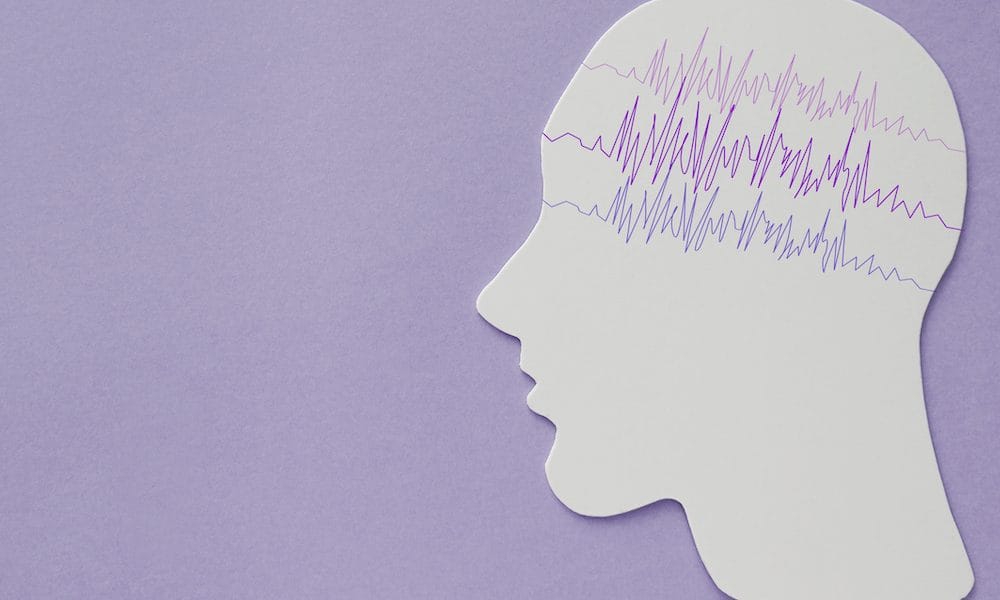
Young people have a decision making ability distinct from IQ, which is associated with good social function but may be linked to poor mental health, a new study has revealed.
The decision-making ability, called ‘decision acuity’, is a novel construct and may be underpinned by how strongly certain brain networks are connected, researchers from UCL and Karolinska Institutet found. “We worked to improve understanding of the brain underpinnings of decision-making ability in adolescence and early adulthood – a critical period of development and a common time for the emergence of psychiatric disorders,” says Dr Michael Moutoussis, of Max Planck UCL Centre for Computational Psychiatry & Ageing Research and Wellcome Centre for Human Neuroimaging, UCL Queen Square Institute of Neurology.
Work has begun to bring a landmark neurological research and treatment centre to reality.
The UCL Neuroscience centre of excellence will be home to three bodies: the world-leading UCL Queen Square Institute of Neurology; the headquarters of the UK Dementia Research Institute, the single biggest investment the UK has ever made in dementia; and the UCLH National Hospital for Neurology and Neurosurgery (NHNN), which is the UK's largest dedicated neurological and neurosurgical hospital. Clinical work and research will take place together within the new facility, at 256 Grays Inn Road in London, enabling an active dialogue between people with neurological disorders, their doctors, and researchers.
The study revealed that children who recorded the highest level of deprivation generally suffered worse cognitive and mental health outcomes.
Through looking at a number of brain scans researchers could see the levels of brain activity in each child and found lower amounts of circuitry in those who scored the worst. Rather than solely looking at income levels, those involved in the study also considered a variety of factors that may be putting a child at disadvantage, such as pollution, crime, and access to lower-quality education and healthcare. After each child was scored on this, the researchers then looked at their MRI scans to measure how well each region of the brain is connected to one another.


