



Research
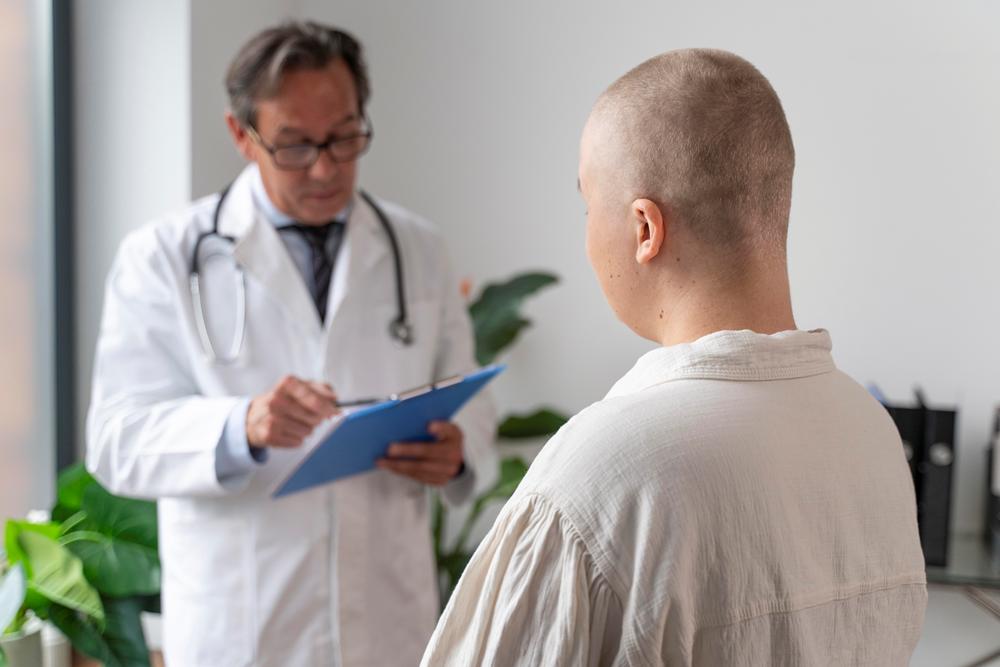
Diagnosing one of the most common neurological conditions in the UK will become faster, following the publication of new international guidelines. The revised criteria aim to make diagnosis faster and more accurate, reduce the risk of misdiagnosis, and help many people with MS to access treatment earlier. Over 150,000 people live with multiple sclerosis (MS) [...]

People with traumatic brain injury often internalise public stigma, leading to self-doubt and social withdrawal, new research shows. The study found that discrimination can cause some TBI patients to see themselves as less worthy, with many developing a “why try” attitude that discourages them from attempting tasks or social contact. The investigation was led by [...]

Women who undergo hysterectomy face up to an 18 per cent higher risk of stroke, especially if both ovaries are removed, according to new research. A meta-analysis of data from more than 2 million people found that removing the uterus and cervix alone raises risk by 5 per cent, while combining this with removal of [...]

Scientists have restored movement in rats with severed spinal cords using a 3D-printed scaffold containing stem cells. The research suggests new possibilities for tackling paralysis caused by spinal cord injuries, which currently have no cure. These injuries occur when neurons – nerve cells that transmit messages through the body – die and cannot regrow across [...]

Researchers in South Korea have identified the molecular “brake” that halts spinal injury repair. They found that GABA, a chemical messenger that normally dampens nerve signals, is produced in excess by astrocytes, star-shaped support cells, after injury. This happens through the enzyme monoamine oxidase B (MAOB), which becomes overactive. GABA was shown to [...]

Emerging research is exploring the potential of photobiomodulation (PBM) - a light-based therapy targeting the gut-brain axis- as a promising new treatment for Parkinson’s disease. A recently published clinical trial, conducted on 60 participants in Canada, reported clinically significant improvements in multiple Parkinson’s symptoms following treatment with photobiomodulation (PBM) therapy. The results, presented last month at [...]

Dr Oscar Wilkins has received the inaugural Rob Burrow Early Career Researcher Prize for his work on motor neurone disease treatments. The annual award, launched by the MND Association in honour of its late patron and rugby league legend Rob Burrow CBE, recognises outstanding UK-based researchers early in their academic careers. Dr Wilkins received the [...]

By Caroline Purslow, Head of Health, Challenge Works In July, following a lengthy regulatory review process and heavy patient campaigning across the UK - which gained extensive media coverage - the Medicines and Healthcare Products Regulatory Agency (MHRA) approved the use of Tofersen to treat those who are living with ALS (the most common form [...]

Researchers have shown how faults in DNA repair, caused by gene mutations, can lead to motor neurone disease, pointing to possible new treatment targets. The study found that mutations in the CFAP410 gene make neurones more vulnerable to DNA damage, rather than disrupting cell structures as once believed. Motor neurone disease (MND), also called amyotrophic [...]
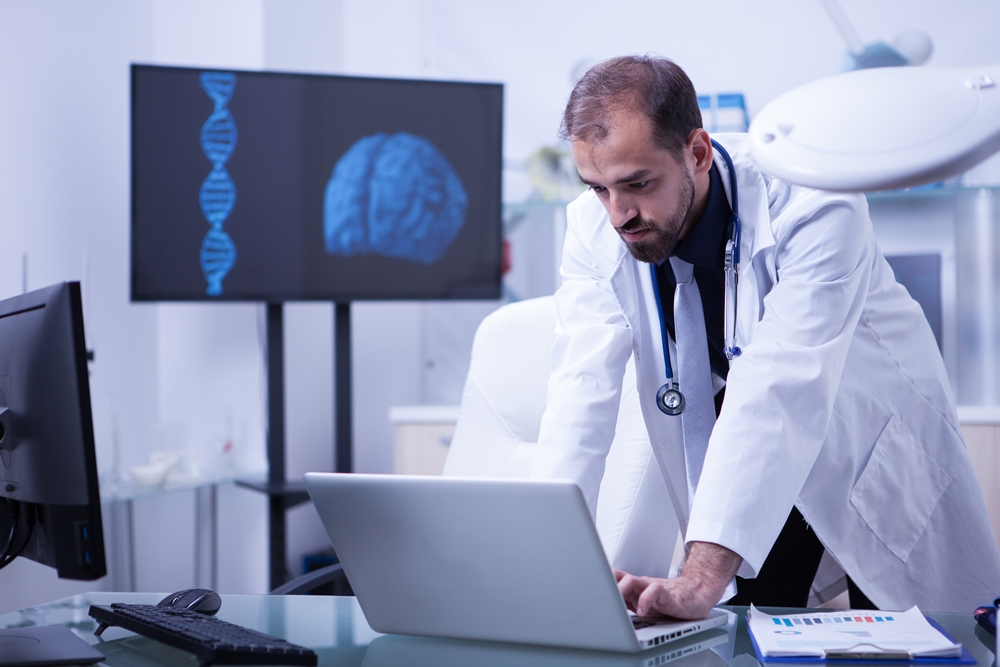
A new AI tool can spot signs of consciousness in brain-injured patients four-to-eight days earlier than standard bedside tests. The system, called SeeMe, tracks microscopic facial movements that are invisible to the naked eye to detect awareness in patients labelled as “unresponsive”. Up to 25 per cent of patients diagnosed as unresponsive may in fact [...]


