



Stroke
Stroke care, recovery and rehabilitation.
 Stroke19 Sep
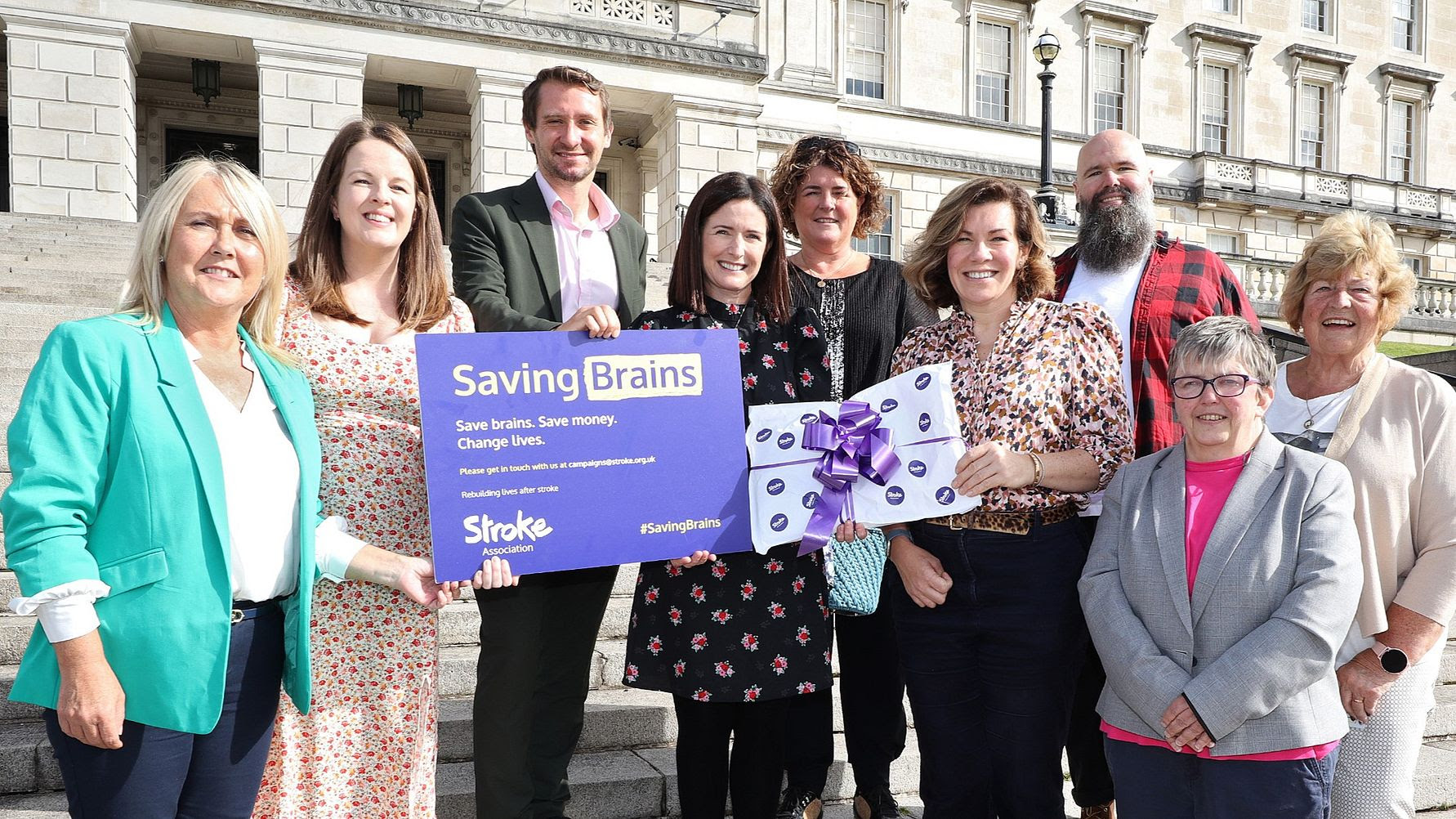
Stroke survivors and campaigners have handed over a Stroke Association NI petition calling on the Health Minister Mike Nesbitt to make the stroke treatment thrombectomy available 24/7 in Northern Ireland. The charity says it is vital that it is available for everyone who needs it no matter when they have their stroke. The revolutionary procedure – where [...]
 Stroke13 Sep
A new study has shown that stroke survivors are more likely to experience abnormal sleep patterns - such as sleeping too much or not enough - compared to those who have not had a stroke. For the study, participants were asked about their sleep patterns, such as how much sleep they usually get at night [...]
 Stroke6 Sep
Stroke patients who survive a blood clot in the brain’s blood vessels are prone to developing new blockages during their recovery periods, even if they receive vessel-clearing interventions. In an effort to avoid further clots, doctors at 57 sites around the U.S. tested a possible solution: the addition of anti-coagulant drugs to medicine that dissolves [...]
 Stroke4 Sep
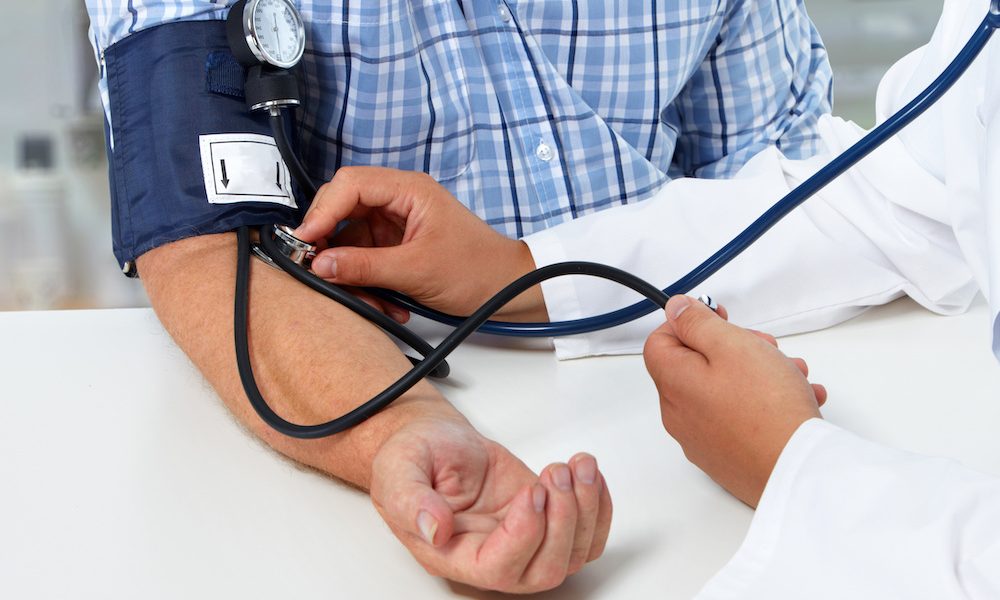
The NHS is trialling blood pressure checks at dentist and optometry appointments to help find people at hidden risks of stroke or heart attacks. The scheme which will be up and running in the coming months follows the success of NHS community pharmacy blood pressure checks. The scheme has delivered more than a million checks [...]
 Stroke21 Aug
The risk of early heart failure after heart transplantation is lower if the donor heart is stored in a so-called heart-in-a-box instead of in the usual cooler with ice, according to new research from the University of Gothenburg. The established way of storing donated hearts before transplantation is to keep them at four degrees in [...]
 Stroke19 Aug
A new statement from the American Stroke Association (ASA) highlights the vital role that nurses play in the wellbeing of patients following a stroke, including helping to manage emotional and social health challenges. Equally, as well as the vital role of nurses, the study findings emphasise how improved screening and assessment for psychosocial needs are [...]
 Stroke13 Aug
A new digital pathway - the ‘Life After Stroke’ Pathway - has been developed by a partnership between health charity Chest Heart & Stroke Scotland, NHS Lothian and Pogo Digital Healthcare. The pathway provides stroke survivors tailored information based on their personal experiences, symptoms, and concerns in order to better manage their condition, alongside support [...]
 Stroke12 Aug
A personalised brain-computer interface therapy, RehabSwift, significantly enhances hand mobility for stroke survivors, new research has shown. Strokes often lead to impaired hand function, presenting substantial challenges in daily activities. Sam Darvishi and colleagues developed and tested a brain-computer interface therapy that translates imagined hand movements into real actions using a personalised algorithm and bionic [...]
 Stroke8 Aug
A new study has demonstrated that short bursts of high-intensity interval training (HIIT) were more effective than traditional, moderate continuous exercise for improving the body’s aerobic fitness after a stroke. One-minute, short bursts of HIIT for 19 minutes may be more effective for improving fitness among people six months or more after a stroke. This [...]
 Stroke31 Jul
The incidence of heart attacks and strokes was lower after COVID-19 vaccination than before or without vaccination, a new study involving nearly the whole adult population of England has found. The research, enabled by the British Heart Foundation (BHF) Data Science Centre at Health Data Research UK, analysed de-identified health records from 46 million adults [...]


